Unveiling the Unknown
Play Unveiling the Unknown
Unveiling the Unknown Screenshots
Unveiling the Unknown review
Explore gameplay mechanics, storyline, and features of this visual novel experience
Unveiling the Unknown stands out as a distinctive visual novel that combines narrative-driven storytelling with interactive gameplay elements. This guide explores what makes this title unique in the visual novel genre, from its character development and branching storylines to its engaging mechanics. Whether you’re a seasoned visual novel enthusiast or new to the genre, understanding the core elements of this game will enhance your overall experience. We’ll walk you through the essential features, gameplay systems, and what players can expect when diving into this interactive narrative adventure.
Understanding the Core Gameplay Experience
Welcome, explorer. 🎮 If you’re reading this, you’ve likely felt that familiar pull—the allure of a story where you hold the pen. Maybe you’ve dabbled in other narrative games, but something about Unveiling the Unknown has caught your eye. I was in your shoes once, booting up the game for the first time, expecting a passive read and instead finding my heart racing over a simple dialogue option. This isn’t just another visual novel; it’s a labyrinth where every turn is yours to choose. Let’s pull back the curtain on what makes this interactive storytelling experience so uniquely captivating.
### What Makes This Visual Novel Stand Out
You might be wondering, “With so many story-driven games out there, what’s the big deal with this one?” 🤔 I had the same question. Having played my fair share of choice-based narrative games, I can tell you that Unveiling the Unknown stands apart by mastering the balance between profound narrative weight and playful, tangible interaction.
First, it treats its world and characters with a breathtaking seriousness. The lore isn’t just backdrop; it’s a living, breathing entity that reacts to your curiosity (or your negligence). I remember early on, I skipped over what seemed like a throwaway line about a character’s childhood trinket. Hours later, that same trinket became the key to unlocking a hidden path of trust with them. The game remembers everything, weaving your attentiveness—or lack thereof—directly into the fabric of the story.
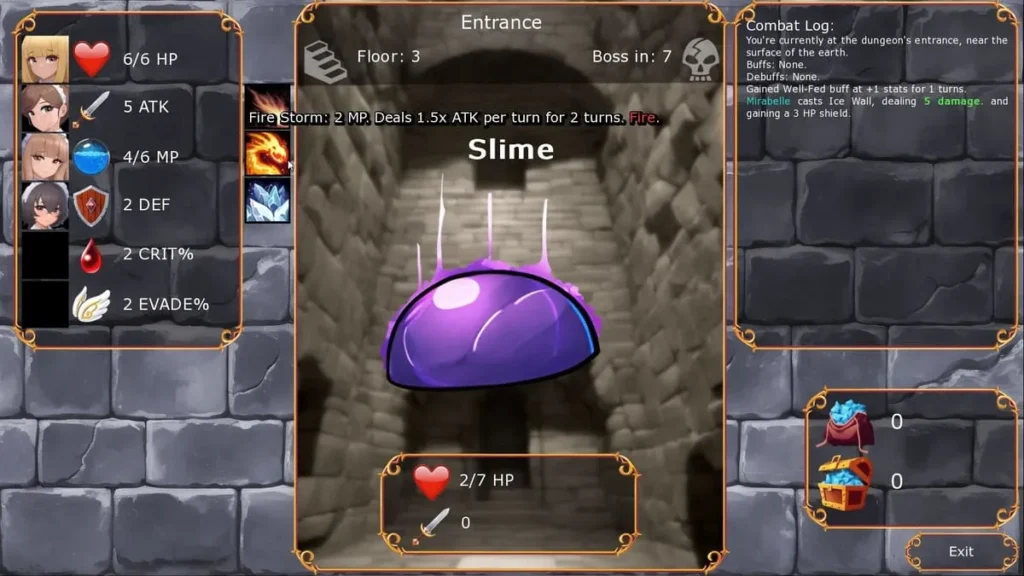
Secondly, it seamlessly integrates RPG minigame elements that are more than just distractions. They are narrative tools. Whether you’re deciphering an ancient script in a puzzle sequence or navigating a tense social encounter through a strategic dialogue “battle,” these mechanics feel like part of the story’s logic, not a separate game bolted on. It transforms the experience from simply “reading a branching story” to actively participating in one.
Ultimately, its standout feature is cohesion. The art, the music, the writing, and the visual novel gameplay mechanics all sing in perfect harmony to immerse you in a mystery that feels deeply personal. Your journey will be unlike anyone else’s, and that is its greatest triumph. ✨
### Gameplay Mechanics and Interactive Elements
At its heart, Unveiling the Unknown is built on a foundation of elegant, interlocking systems. Don’t let the serene visuals fool you; beneath the surface is a complex machine of cause and effect, waiting for your input. Here’s a breakdown of the key visual novel gameplay mechanics you’ll be engaging with from the first click.
- The Choice Conundrum: This is your primary tool. Dialogue and action choices appear seamlessly within the narrative flow. There are no obvious “Good” or “Evil” labels—just nuanced, often ambiguous decisions that reflect how you would speak or act. The timer on some choices (a feature you can toggle!) had me sweating more than any boss fight in an action game.
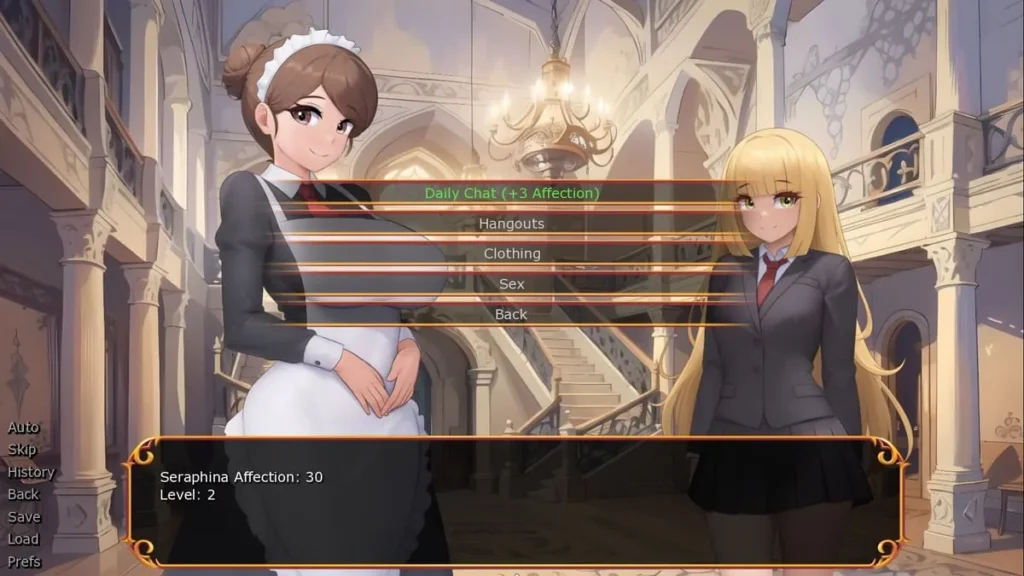
- The Relationship Web: Every major character has a dynamic, hidden relationship meter that shifts with every interaction. This isn’t just about romance; it’s about trust, rivalry, fear, and allegiance. Your standing with one character can dramatically alter how another perceives you.
- The Inventory of Clues: As you investigate the game’s central mysteries, you’ll collect clues, notes, and key items. These aren’t just checklist fodder; you can—and often must—”use” these clues in conversations to challenge statements, unlock new dialogue trees, or piece together theories.
- The Skill-Check System: Your protagonist has subtle personality traits that develop based on your consistent choices (e.g., “Diplomatic,” “Observant,” “Defiant”). In critical moments, the game will check if you’ve cultivated a trait high enough to unlock a special option, allowing for a unique resolution that wouldn’t be available otherwise.
To give you a clearer picture of how these systems feed into the core interactive storytelling experience, here’s a snapshot of a typical gameplay loop:
| What You See On Screen | The Interactive Mechanic at Work | Potential Long-Term Impact |
|---|---|---|
| A character asks for your help, hiding clear anxiety. | You choose: 1) “I’m here for you.” 2) “You’re hiding something.” 3) *Show the forged letter from your inventory*. | Option 1 builds trust. Option 2 may raise their guard. Option 3, using an inventory clue, could instantly break their lie and open a secret branch of the story. |
| A quiet moment at a scenic overlook. | The game presents an internal monologue choice: Reflect on the journey’s danger, the beauty of the moment, or a specific companion. | This solidifies your protagonist’s developing personality trait, which may be tested in a future skill-check during an argument or investigation. |
| A puzzle to unlock a sealed door. | An integrated RPG-style logic minigame where you must arrange collected rune fragments. | Success grants access to a hidden area with unique story content; failure may force a longer, more dangerous route, altering the sequence of events. |
My biggest piece of actionable advice? Play your first run blind. 🚫 Resist the guide. The magic of this choice-based narrative game is in living with your consequences, whether they lead to a heartbreaking betrayal or an unlikely alliance. That authentic, unspoiled reaction is priceless.
### Story Structure and Player Choices
If the mechanics are the engine, the story is the sprawling, beautiful landscape you get to drive through. And in Unveiling the Unknown, you’re not on a rail—you’re forging the road itself. The narrative is designed like an intricate tree, but imagine that tree’s branches can also grow into each other, creating a web of possibilities rather than just isolated paths.
The story follows a core mystery, but how you approach it—which leads you follow, which alliances you prioritize—defines your unique narrative arc. The branching story paths aren’t merely about getting “Ending A, B, or C.” They’re about the million tiny variations in between. Did you solve the murder before the festival, casting a pall over the celebrations? Or did you fail to prevent it, turning the festival into a crime scene and making everyone a suspect? The central events morph around your actions.
Let’s talk about the character relationship system, because it is the soul of this structure. Characters are not static entities waiting for your input. They have their own goals, secrets, and schedules. Building a relationship isn’t just about always agreeing with them. Sometimes, a fiery argument where you stand your ground can earn you more respect than sycophantic agreement. I learned this the hard way with Aris, the cynical archivist. My attempts to be perpetually pleasant made him think I was shallow. It was only when I angrily matched his sarcasm in a debate that he finally saw me as an intellectual equal, unlocking a whole new dimension to his questline.
Tip: Pay close attention to character backgrounds and environmental details. A choice that seems correct in isolation might conflict with a character’s deeply held belief mentioned in passing earlier. The game rewards diligent role-playing.
Here is a concrete example of how player choices affect story outcomes:
- Scenario: You find a member of a distrusted faction injured in the forest.
- Choice A: Help them in secret and hide them in a safe location.
- Short-term Outcome: You spend resources and time nursing them. A companion who hates that faction might question your judgment.
- Long-term Outcome: That faction later learns of your mercy. This could lead to a peaceful negotiation where others face violence, or it could be seen as a weakness to exploit. The rescued individual may become a crucial ally or a devastating spy.
- Choice B: Leave them, prioritizing your mission’s secrecy.
- Short-term Outcome: You proceed unimpeded. Your pragmatic companions approve.
- Long-term Outcome: The faction finds their dead comrade. This fuels their rage, leading to more aggressive confrontations later. You may later find evidence on their body that would have solved a major puzzle, forcing you to find a harder alternative.
- Choice C: Bring them back to your camp publicly.
- Short-term Outcome: Immediate conflict within your group. A trust crisis ensues.
- Long-term Outcome: Forces early character-defining moments. It could unify your team against a common threat or cause an irreparable schism that splits the party for chapters.
This is the essence of the interactive storytelling experience here. There is rarely a “perfect” choice, only your choice, with ripples that extend to the very final scenes. For newcomers wondering how to play visual novels of this depth, the answer is simple: engage. Think about who you want to be in this world. Are you a compassionate idealist, a pragmatic survivor, or a ruthless seeker of truth? Your consistent personality, reflected in these choices, will sculpt the tale.
This visual novel game guide wouldn’t be complete without addressing the pacing. The game expertly balances quiet, character-driven moments with intense, choice-heavy climaxes. It understands that the weight of a decision is built in the calm before the storm. So, savor those leisurely walks and tea-time chats—they’re where the bonds are formed that will be tested when everything goes wrong.
In conclusion, Unveiling the Unknown is more than a game; it’s a narrative workshop where you are both the sculptor and the clay. Its visual novel gameplay mechanics empower you, its branching story paths astonish you, and its character relationship system connects with you on a deeply human level. Your first playthrough is a sacred, personal story. Your second, third, and fourth are fascinating explorations of the world you didn’t see, proving that the greatest mystery is often the road not taken. Now, it’s your turn to step into the unknown. What will you unveil? 🔍
Unveiling the Unknown offers a rich visual novel experience that combines compelling narrative elements with interactive gameplay systems. The game’s strength lies in its ability to engage players through meaningful choices that shape the story’s direction and character relationships. Whether you’re drawn to the narrative depth, the character interactions, or the unique blend of visual novel and minigame mechanics, this title provides a substantial experience for fans of interactive fiction. As you embark on your journey through the game, remember that your choices matter—each decision opens new possibilities and paths through the story. Take your time exploring different narrative branches, building relationships with characters, and discovering the various endings the game has to offer. The visual novel genre continues to evolve, and titles like this demonstrate the potential for meaningful player engagement through interactive storytelling.