
Play Treasure of Nadia
Treasure of Nadia Screenshots


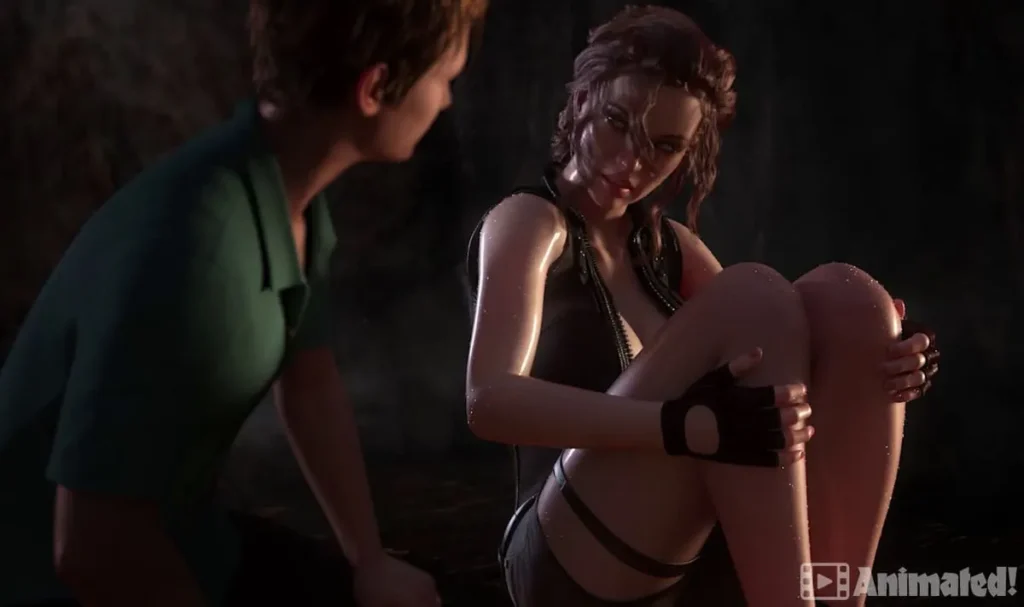

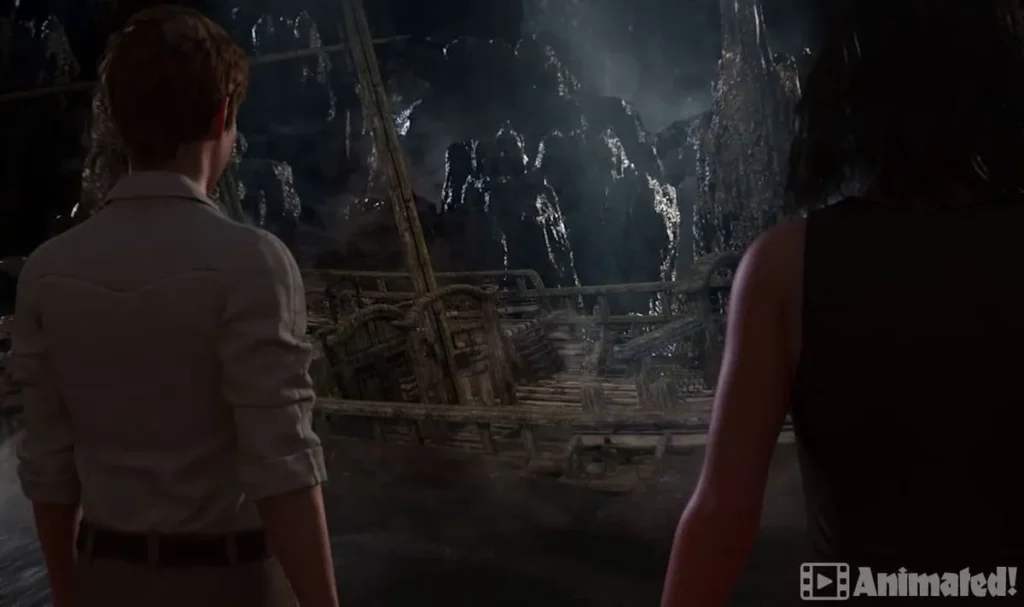

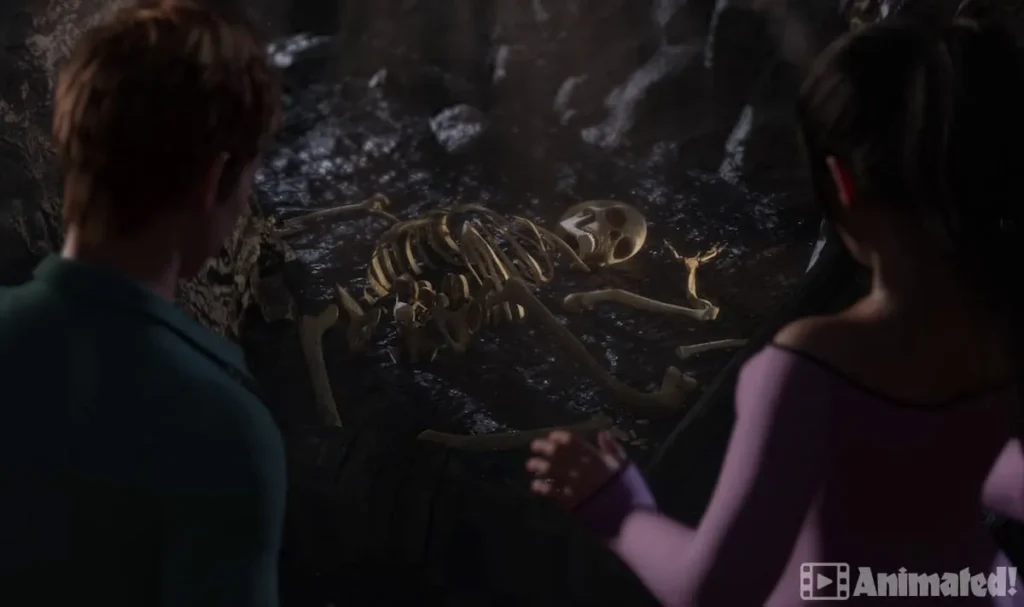


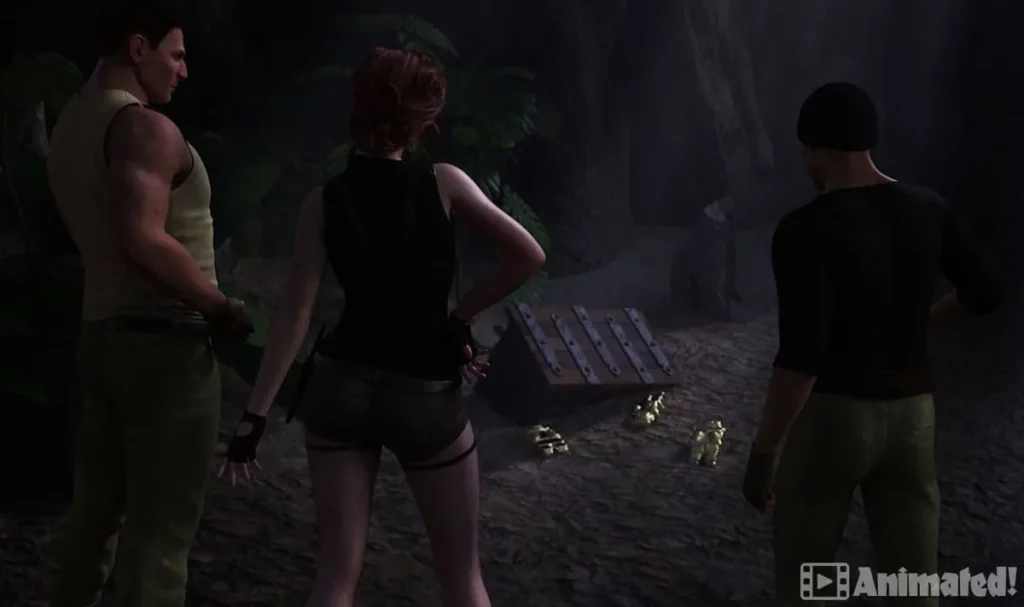








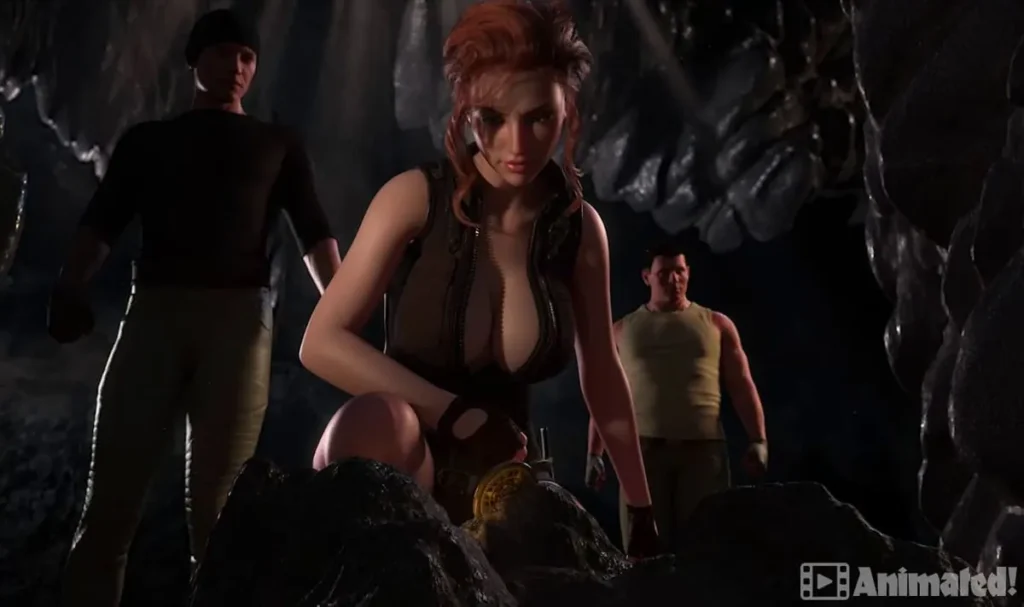
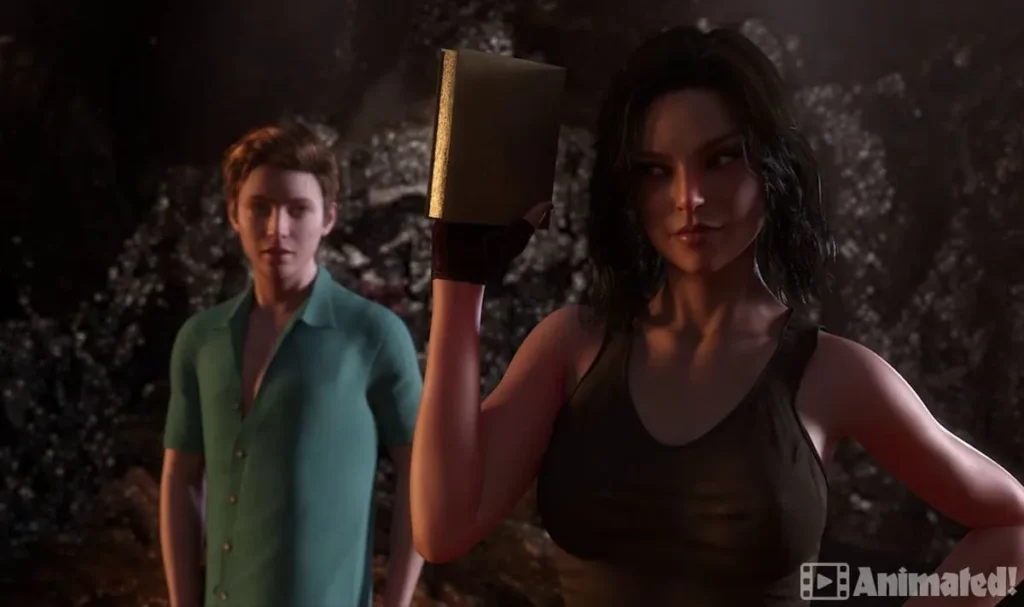
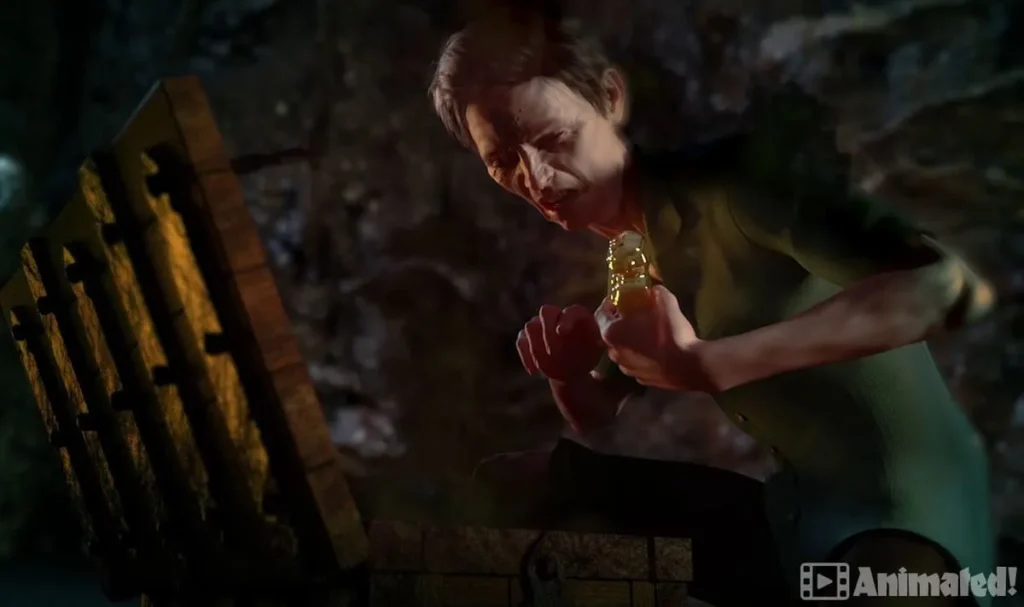




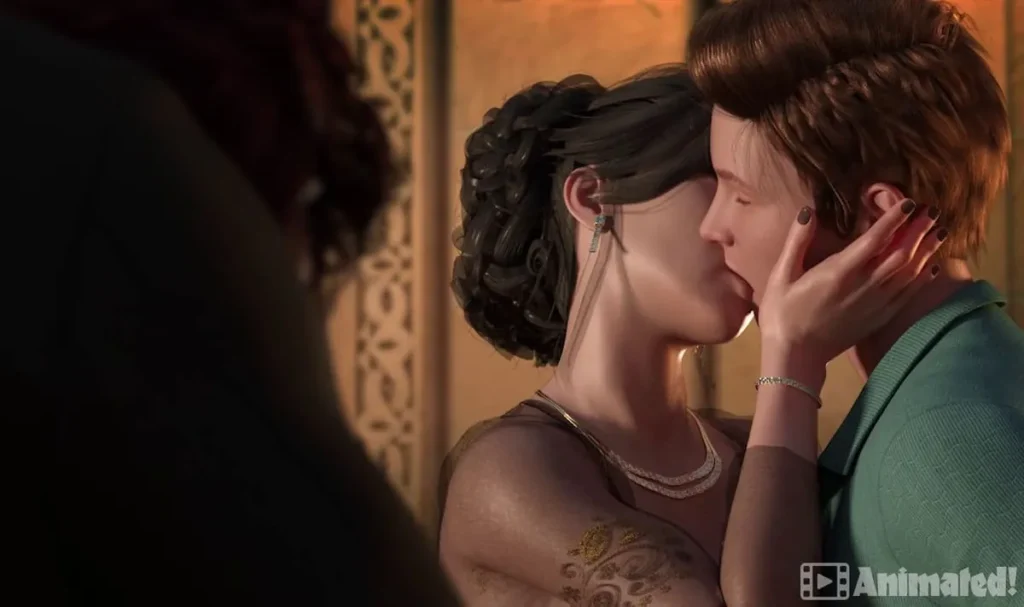
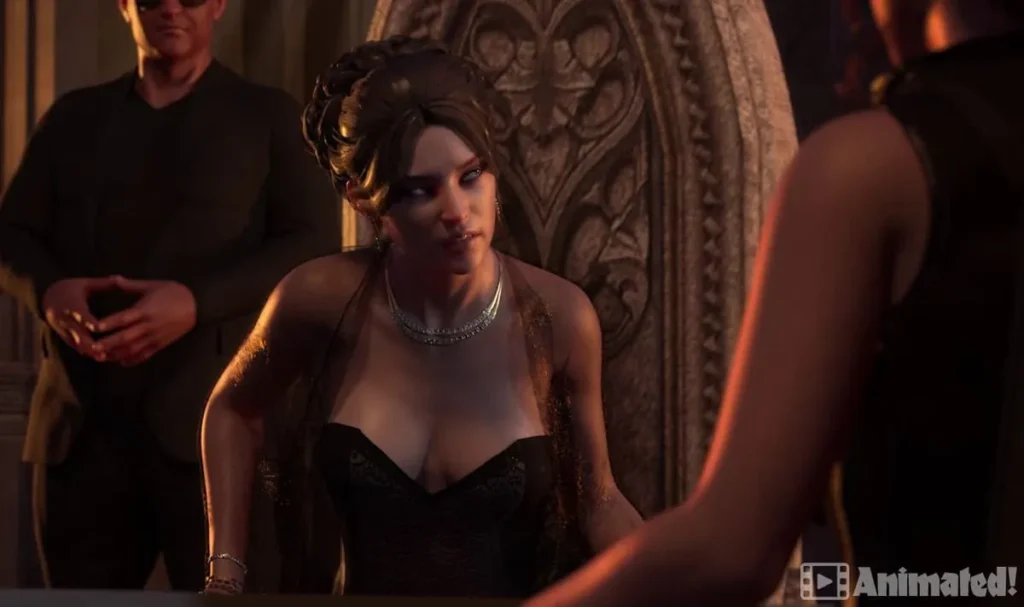




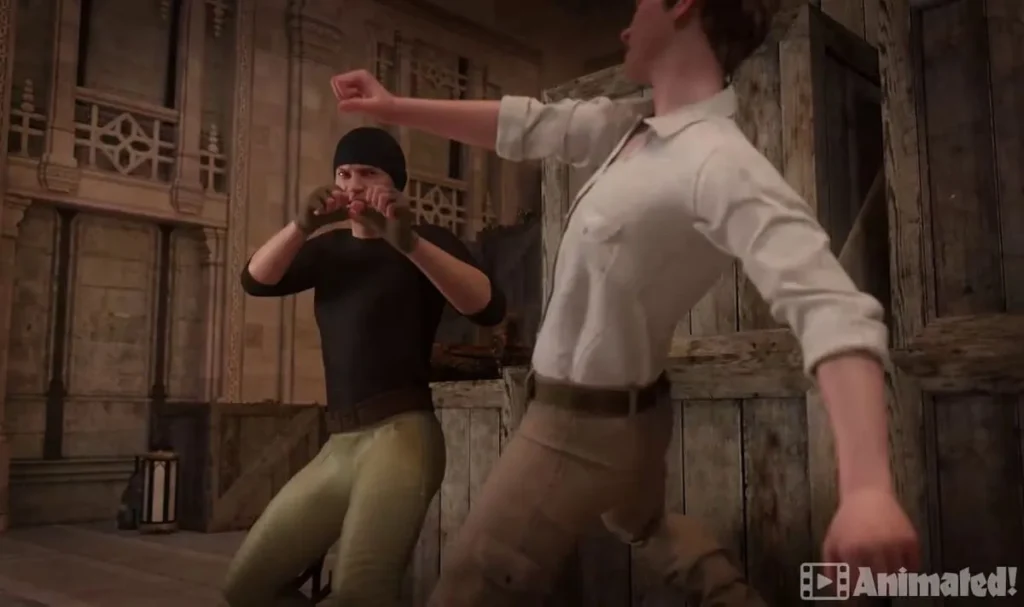



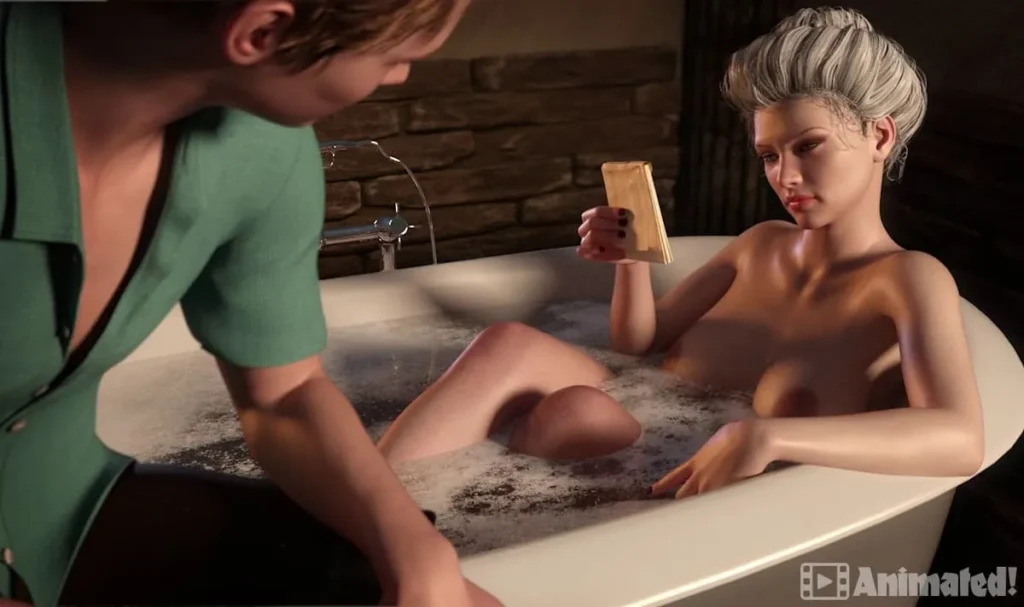

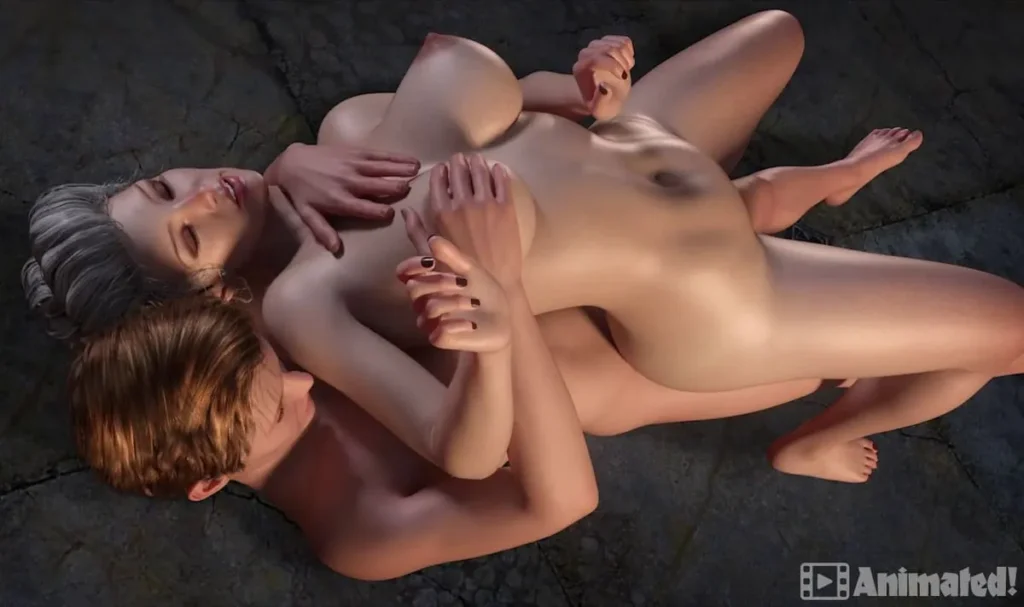




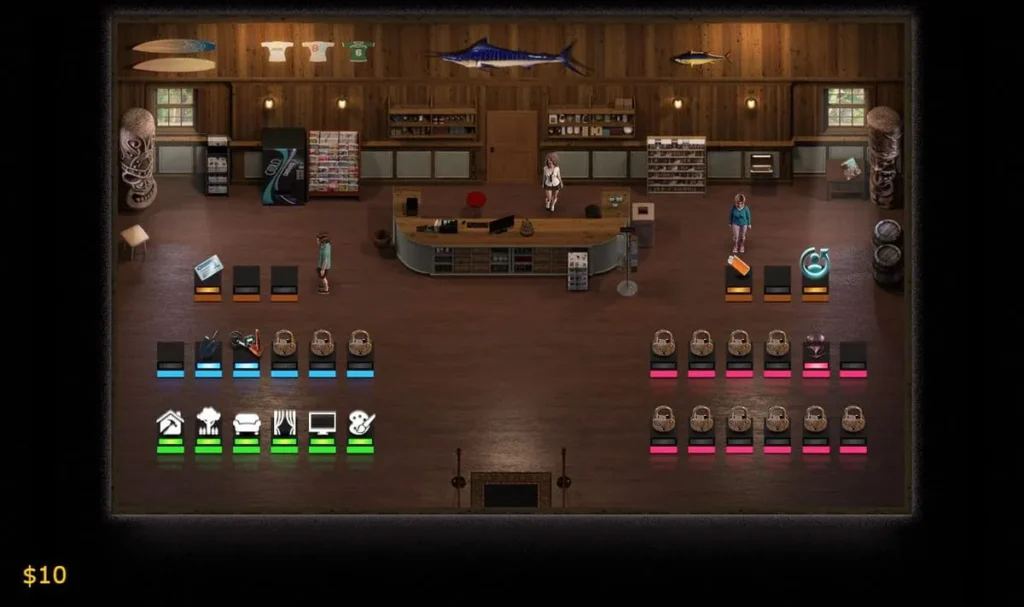

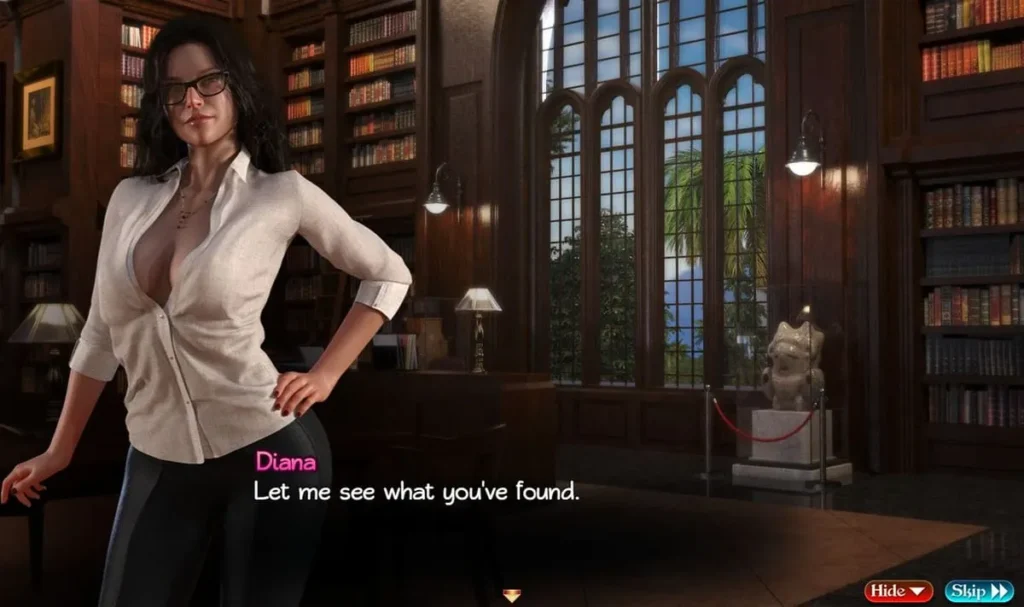



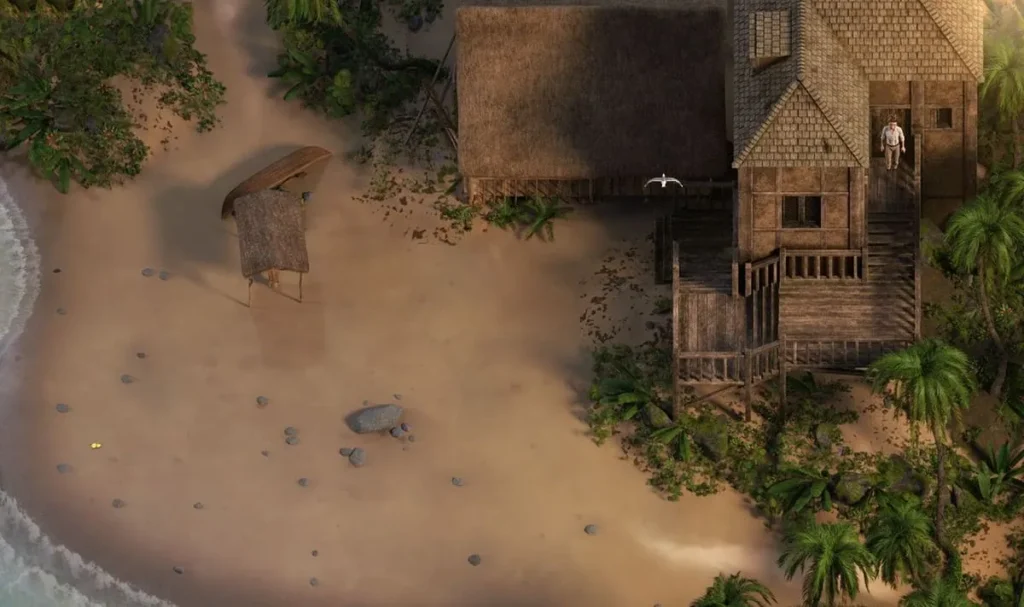
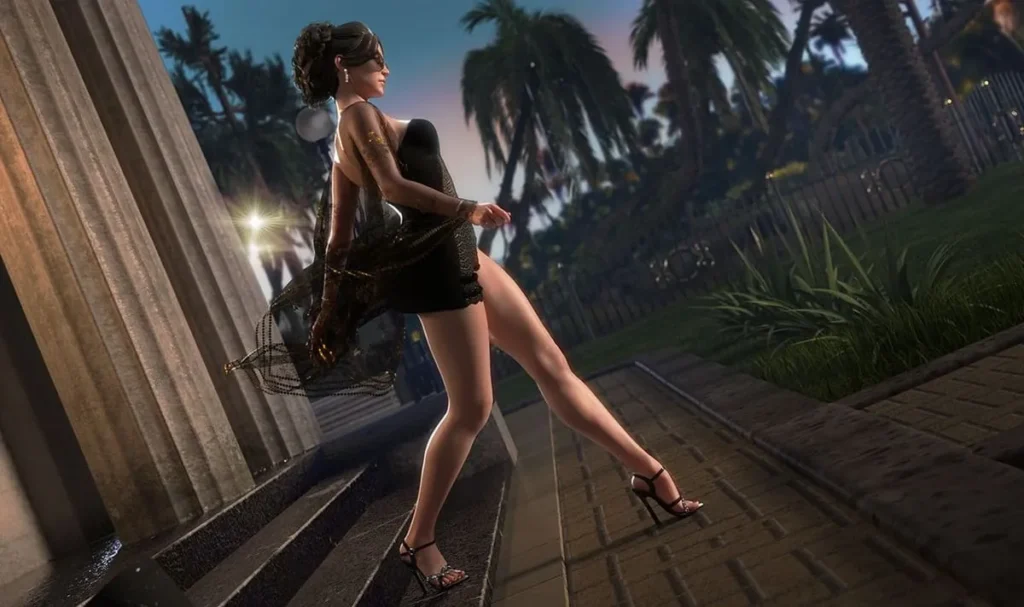
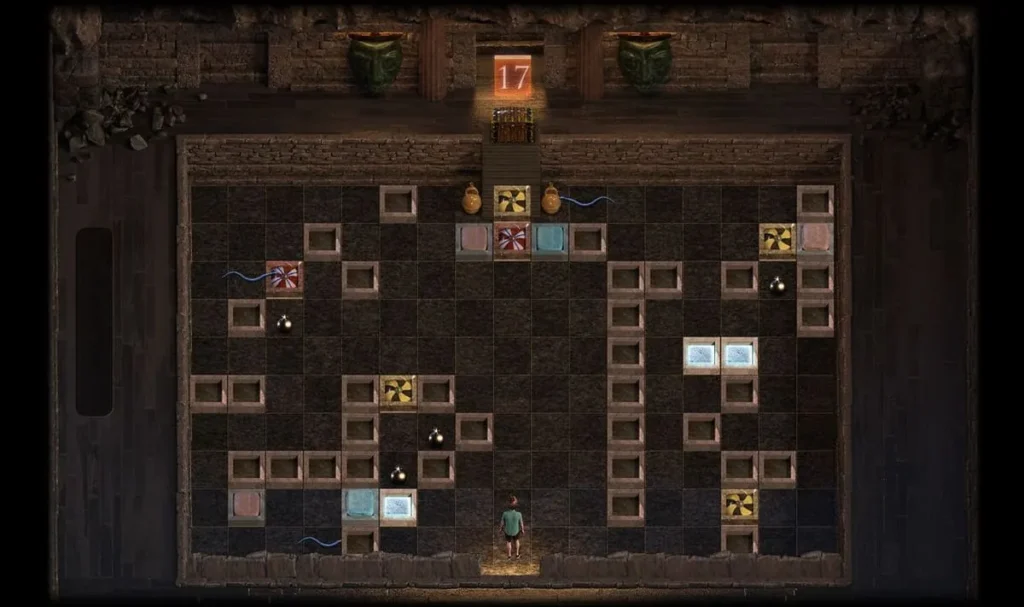
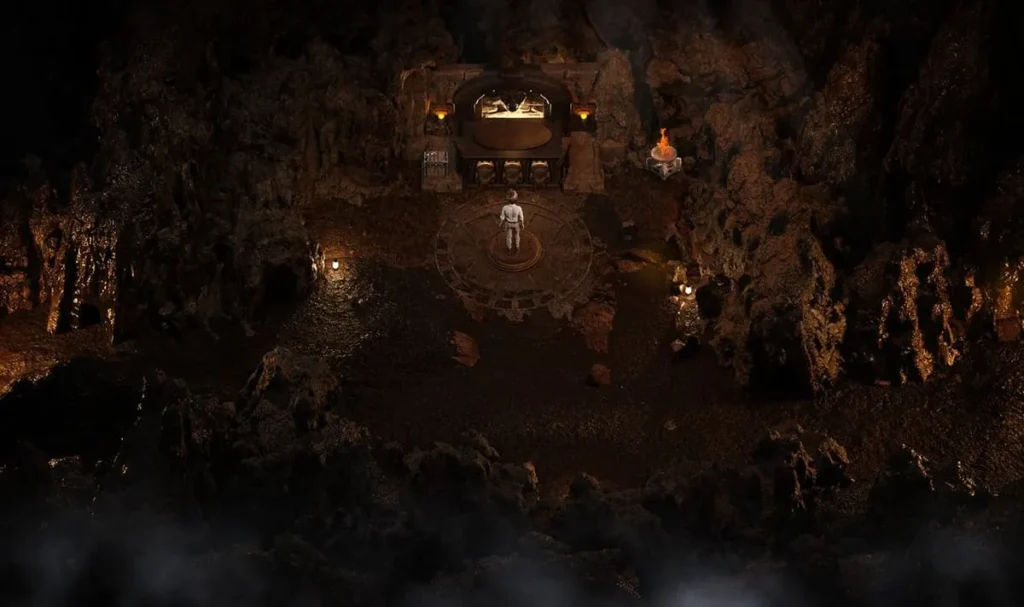
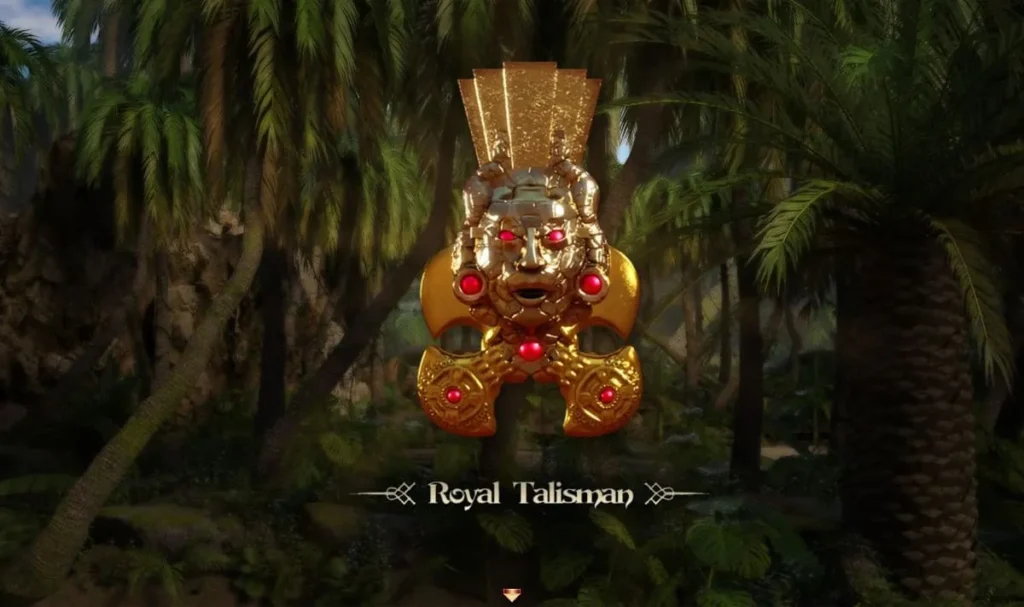
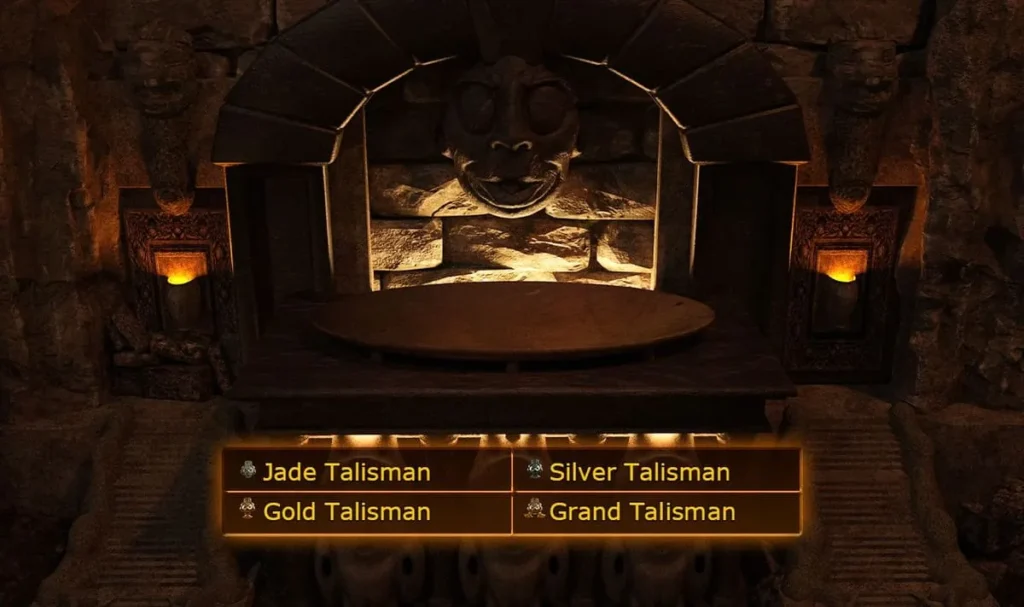
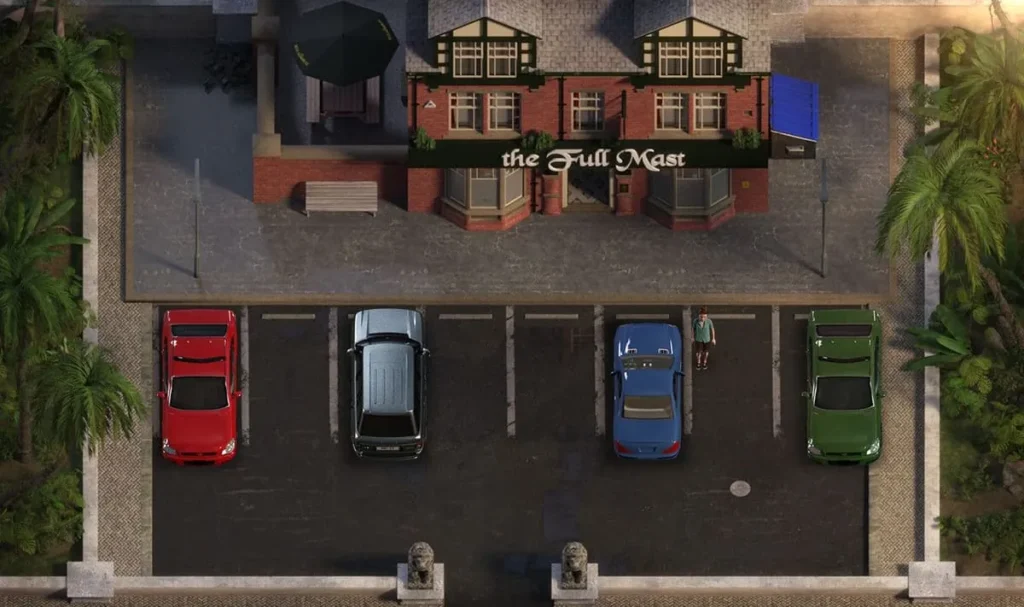
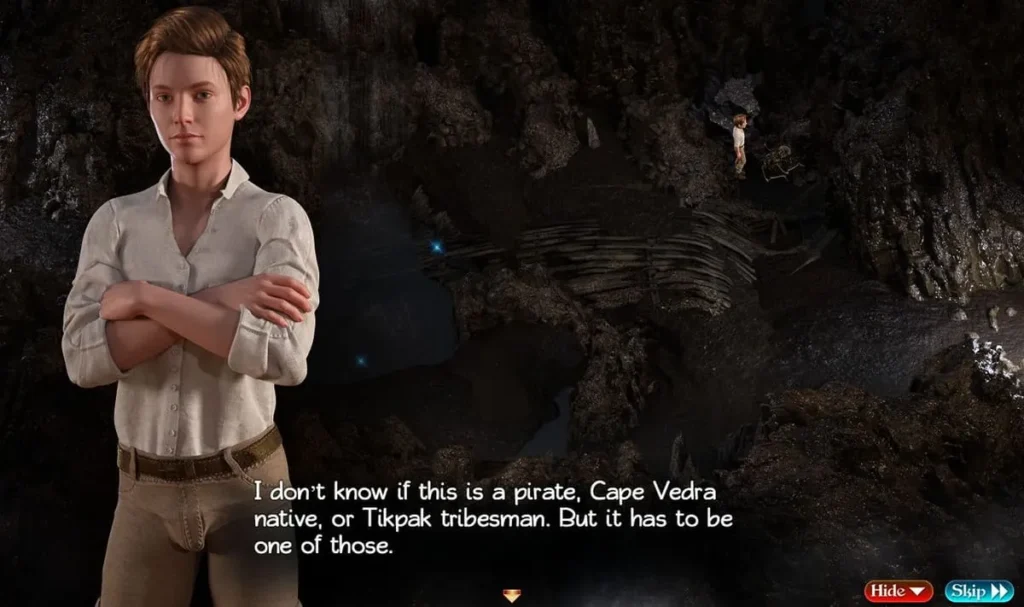
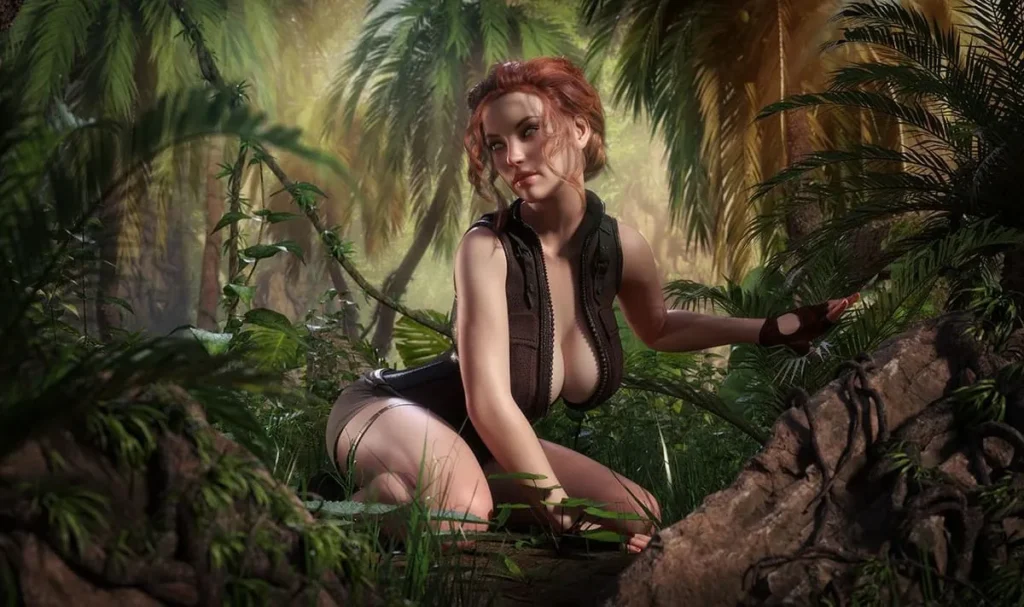
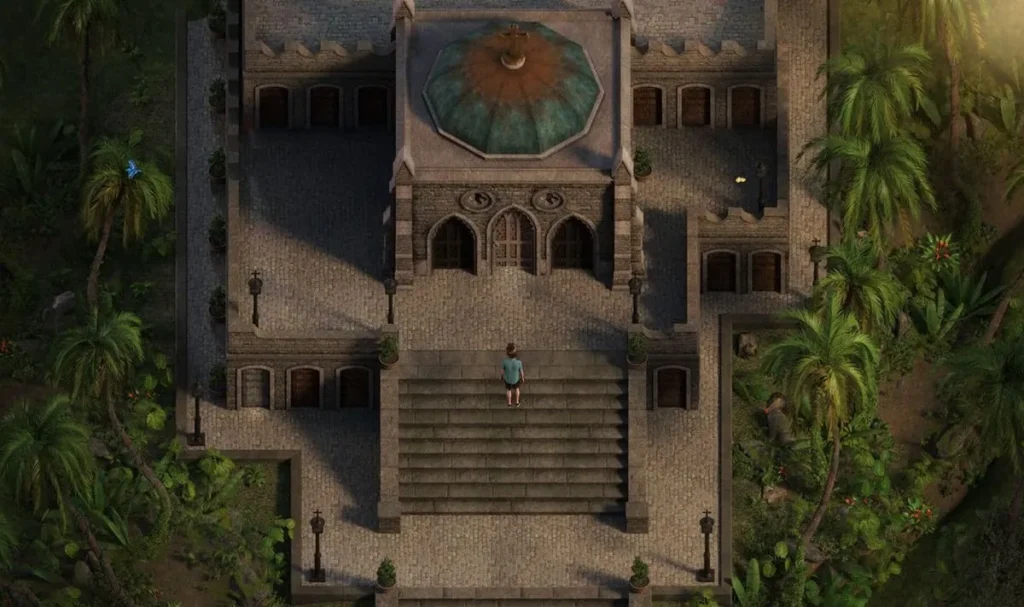
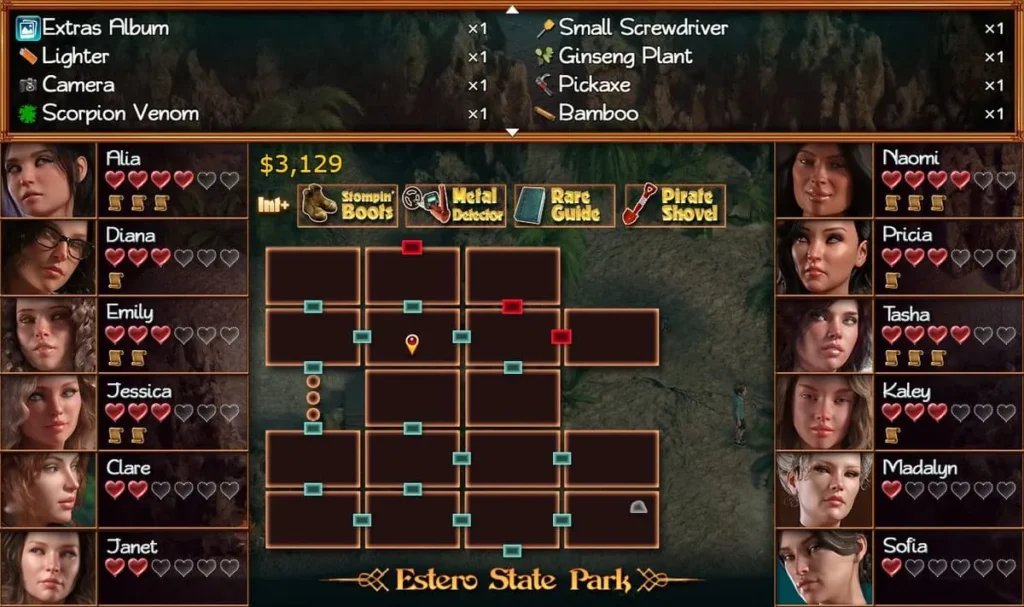
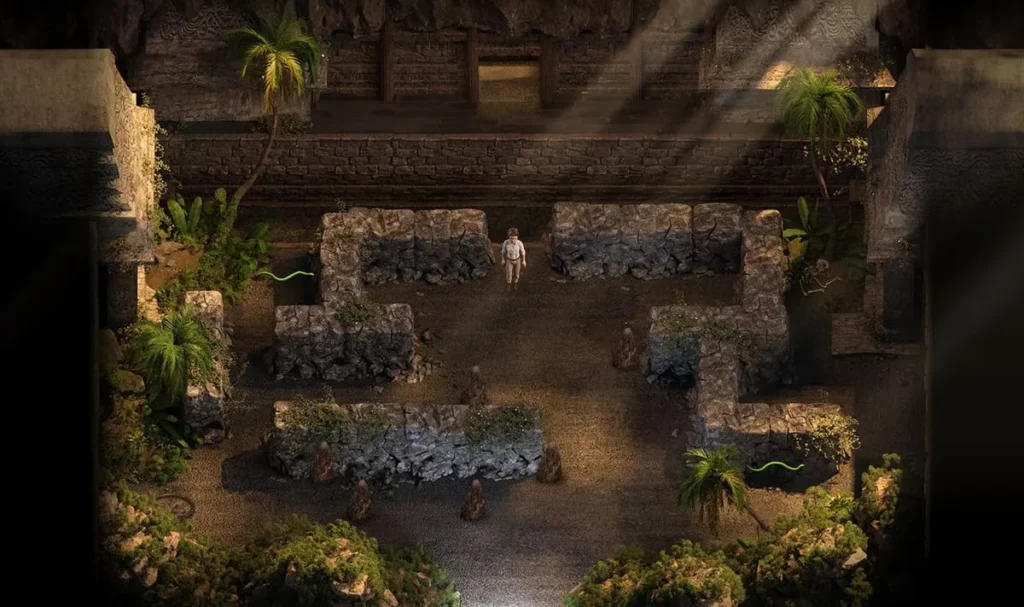
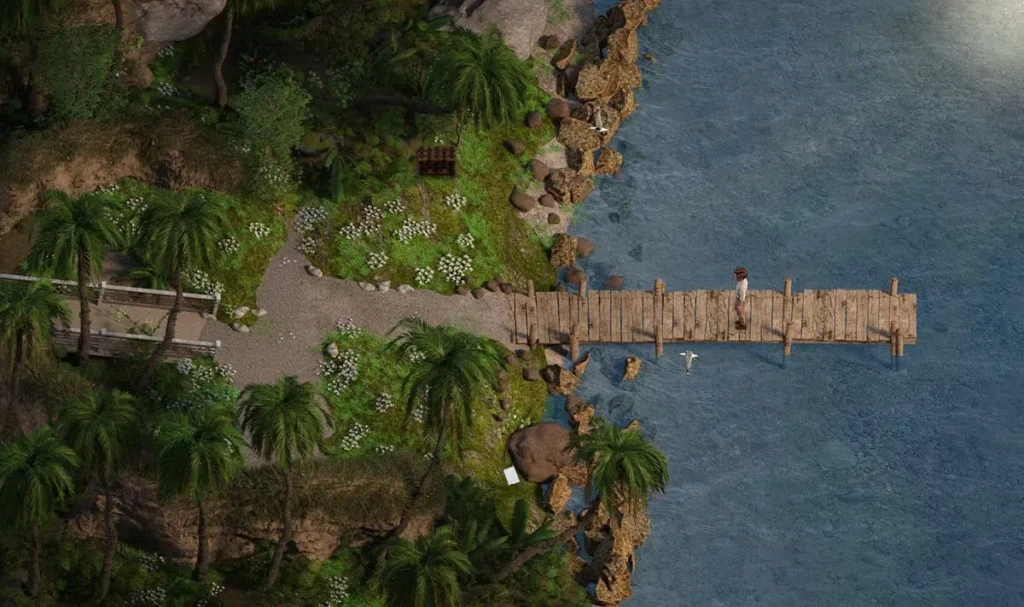
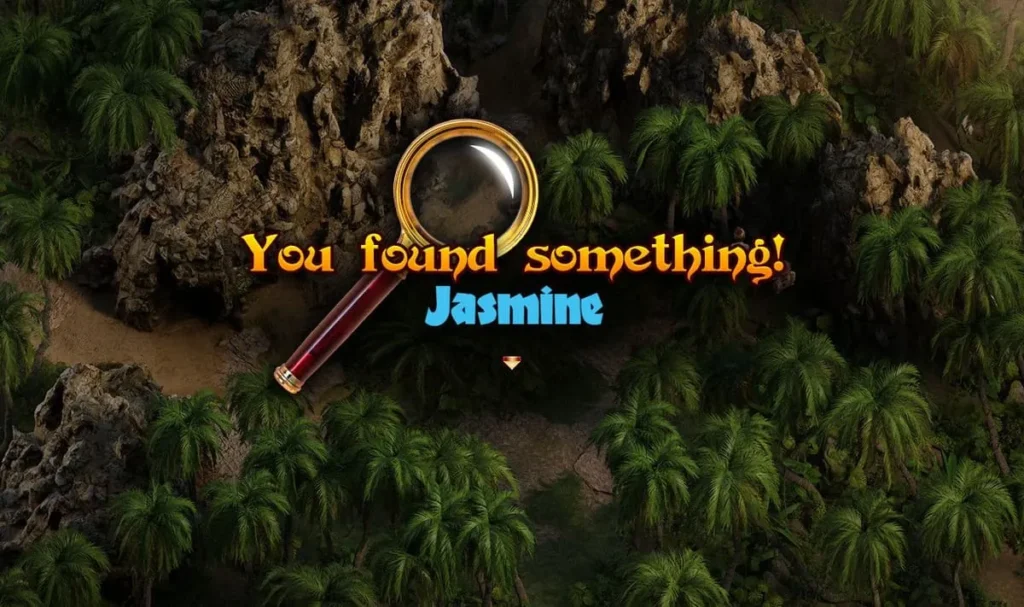
Treasure of Nadia review
Explore gameplay mechanics, romance options, and puzzle solutions in this adult visual novel adventure
Treasure of Nadia stands out as a unique blend of adventure gameplay and interactive storytelling. This island-based visual novel combines puzzle-solving, exploration, and character-driven narratives with high-quality animations and multiple romantic storylines. Whether you’re interested in uncovering the island’s mysteries, building relationships with diverse characters, or mastering the game’s crafting system, this guide covers everything you need to know about what makes Treasure of Nadia a compelling experience for adult gaming enthusiasts.
Gameplay Mechanics and Core Features
Let’s be honest, when you first boot up Treasure of Nadia, you might think you’re just in for a compelling story with some adult themes. But what you quickly discover is a surprisingly deep and engaging game underneath. The Treasure of Nadia gameplay mechanics are what truly elevate it from a passive experience to an interactive adventure you can really sink your teeth into. 🎮
It masterfully blends point-and-click exploration, light RPG systems, and clever puzzles to create a loop that’s incredibly moreish. You’re not just watching a story unfold; you’re actively digging, crafting, and solving your way through it. This chapter is your map to understanding that core loop, from the simple joy of finding a rare shell to the satisfaction of solving a complex temple puzzle.
Understanding the RPG-Style Gameplay Structure
At its heart, Treasure of Nadia functions like a streamlined, narrative-driven RPG. Forget complex stats and skill trees—the role-playing here is all about exploration, questing, and character interaction. You play as a budding adventurer who arrives on the tropical island of Kaley with a mysterious talisman and a thirst for discovery. The world is your oyster, or rather, your island to explore. 🗺️
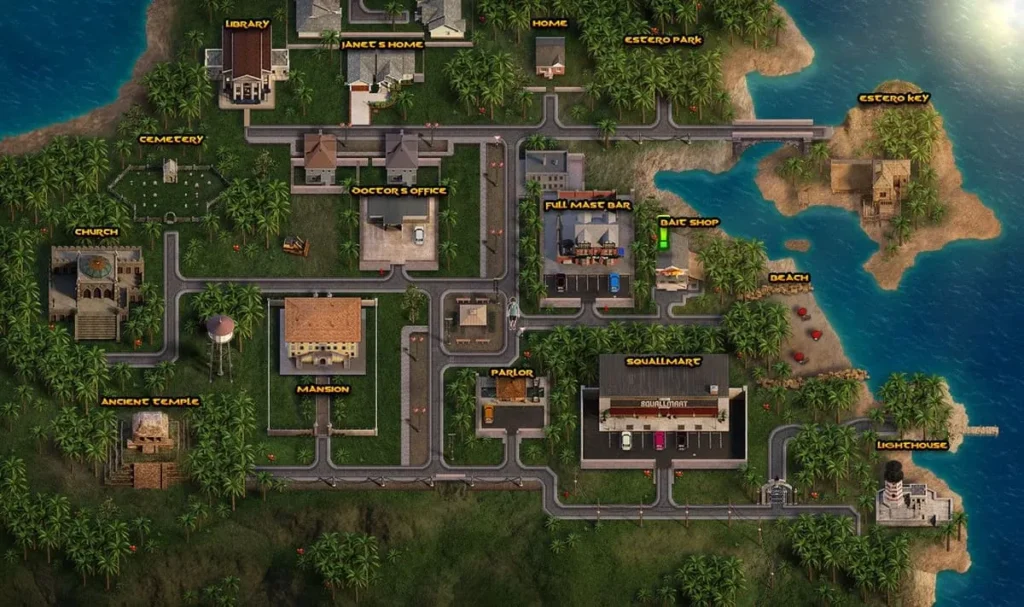
The core structure is beautifully straightforward. You navigate between various item collection locations—the beach, the jungle, the town, ancient ruins—by clicking on the world map. Each location is a static screen filled with interactive hotspots. Your primary goals are always clear: advance the main story by talking to key characters and complete side quests to earn rewards and unlock new avenues. This creates a wonderful game progression pacing that feels natural. You’re never rushed, but there’s always a tangible goal pulling you forward.
I remember hitting my first “wall” early on, where the story demanded I find a specific artifact. Instead of handing it to me, the game set me loose. I had to talk to townsfolk for clues, which led me to explore a new part of the jungle, where I had to solve a simple environmental puzzle to get the item. This cycle—story clue to exploration to puzzle to reward—is the game’s beating heart. It makes you feel like a genuine treasure hunter, not just a passenger.
The RPG exploration island aspect is crucial. Progression is often gated not by your level, but by the tools and items you possess. Can’t clear that fallen log? You’ll need a machete. Can’t dive in the deep water? You’ll need diving gear. This constantly gives you small, motivating objectives. “If I just help the fisherman with his net, maybe he’ll tell me where to find parts for my metal detector…” It’s a classic and effective gameplay loop that makes every discovery feel earned.
Crafting System and Item Collection
If exploration is the journey, then crafting is the engine that drives it. The crafting system guide portion of your adventure is non-optional and wonderfully integrated. This isn’t a tacked-on feature; it’s the primary way you interact with the world and overcome its obstacles. You’ll spend a significant amount of time learning how to craft items in Treasure of Nadia, and it’s a blast. ⚙️
Your trusty Crafting Menu is where the magic happens. Here, you combine raw materials you’ve scavenged from across the island to create useful tools, story-critical artifacts, and even gifts for the characters. The system is intuitive: drag one item onto another, and if it’s a valid recipe, it will create something new. The joy comes from experimentation and discovery. Early on, combining a stick with a sharp rock to make a crude knife is a revelation. Later, you’ll be figuring out complex alchemical recipes.
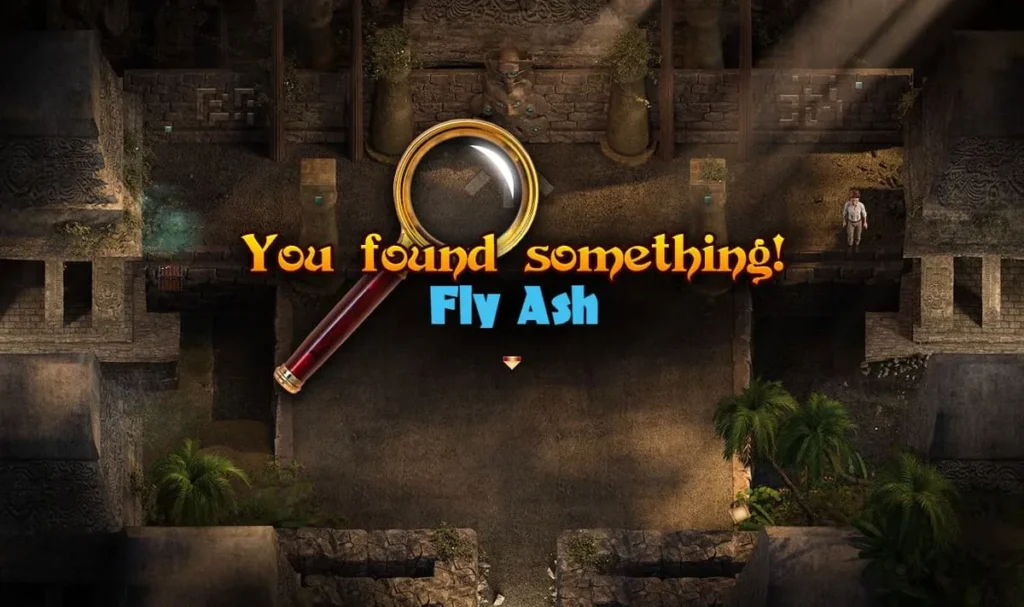
Item collection becomes a fun, almost meditative habit. You’ll scour every beach for shells and driftwood, comb the jungle for herbs and vines, and sift through town dumpsters for odd bits of junk. What seems like trash at first glance often becomes a crucial component later. My best advice? Click on everything. That shimmer in the corner of the screen, that slightly different colored rock—it’s probably something you need. This turns the entire RPG exploration island into a giant, rewarding scavenger hunt.
The game progression pacing is directly tied to this system. The mid-game can feel a bit “grindy,” as some essential recipes require components that have a low drop rate. Need five specific rare shells to forge a key? Get ready for some serene, repetitive beachcombing sessions. But honestly, I found this rhythm quite relaxing. It’s a deliberate pause in the narrative, a chance to soak in the atmosphere while working toward a clear goal.
To give you a head start, here are a few essential early-game recipes and where to find their components:
| Item to Craft | Ingredient 1 | Ingredient 2 | Primary Ingredient Locations |
|---|---|---|---|
| Stone Knife | Stone | Vine | Beach (Stone), Jungle Path (Vine) |
| Simple Rope | Vine | Vine | Jungle Path, Deep Jungle |
| Healing Salve | Medicinal Herb | Glass Bottle | Jungle Clearing (Herb), Town Dumpster (Bottle) |
| Fishing Line | Simple Rope | Hook | Craft from Vines, Beach (Hook in debris) |
| Torch | Stick | Cloth & Oil | Jungle (Stick), Various locations for Cloth/Oil |
Exploration and Puzzle-Solving Elements
The puzzle solving walkthrough for your brain is where Treasure of Nadia truly tests your wits. These aren’t throwaway minigames; they are environmental challenges and logic puzzles seamlessly woven into the exploration. They serve as the perfect gameplay buffer between story beats, providing a genuine sense of interactive challenge. 🧩
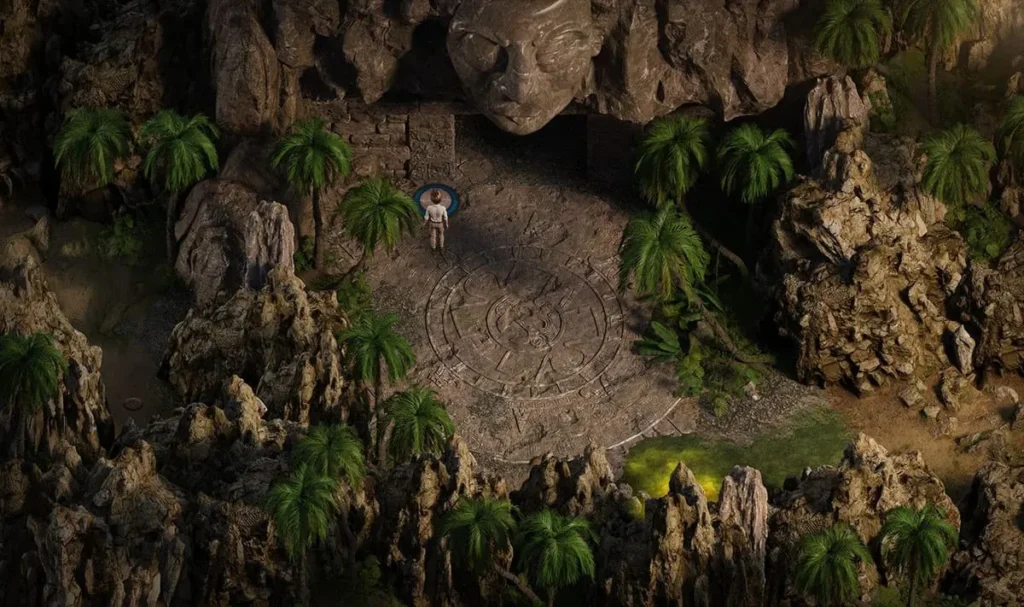
Early puzzles are gentle introductions. You might need to find a hidden key by rearranging objects in a room or follow a series of pictographic clues etched into a wall. They ease you into the game’s logic. But as you delve deeper into the island’s secrets, particularly within the ancient temples, the complexity ramps up beautifully. You’ll encounter multi-step puzzles involving pressure plates, elemental symbols, rotating statues, and cryptic manuscripts. I spent a good 45 minutes in one temple chamber, scribbling notes on actual paper, trying to align constellations with floor tiles—it was utterly absorbing.
The puzzles are almost always fair. The solution is always rooted in the environment or the documents you’ve found. The key is observation. Read every note, examine every mural, and don’t be afraid to backtrack. Sometimes the clue for a puzzle in the jungle temple is found in a book back in the town library. This design brilliantly reinforces the feeling of being an archaeologist piecing together a mystery.
Exploration and puzzles are a symbiotic pair. A puzzle might unlock a new area full of rare item collection locations. Conversely, a new tool from your crafting system guide endeavors might be the only way to access a puzzle-laden area. For instance, you can’t even attempt the waterfall cave puzzles without first crafting a diving bell. This interconnectivity makes the world feel cohesive and purposeful.
Remember, there’s no shame in seeking a puzzle solving walkthrough if you get truly stuck—some late-game brain-teasers are serious business! The important thing is that they provide a rewarding mental break from the narrative and collection tasks, ensuring the Treasure of Nadia gameplay mechanics remain varied and engaging from start to finish.
Pro Tip: When stuck on a puzzle, open your inventory and re-examine every relevant clue or artifact you’ve collected. The answer is almost always in your possession!
Frequently Asked Questions: Gameplay & Progression
-
Q: I’m stuck and the story won’t progress. What should I do?
A: This almost always means you need to craft a specific item or complete a side quest. Open your quest log, talk to every character with a name on the map, and thoroughly re-explore areas you haven’t visited in a while. Check if you have the components for any new recipes in your crafting menu. -
Q: The drop rate for some items feels very low. Is there a trick?
A: Unfortunately, no. Some items, like specific rare gems or shells, are meant to be rare. The best method is to systematically travel between 2-3 locations where the item spawns, collect everything, then sleep at your house to reset the world. Rinse and repeat. Put on some music and enjoy the zen of the hunt! 🐚 -
Q: How do I know where to explore next?
A: Your map is your best friend. Areas you can travel to are always visible. If a location seems inaccessible (greyed out), look for a physical barrier in the story world—a locked door, a dark cave, a deep river—and think about what tool or story event might be needed to pass it. The game guides you gently through environmental storytelling. -
Q: Are the puzzles mandatory?
A: Yes, the main story puzzles are essential for progression. However, they are designed to be solvable with patience and attention to detail. The satisfaction of solving them yourself is a huge part of the game’s charm.
Ultimately, mastering the Treasure of Nadia gameplay mechanics is about embracing the hybrid identity of the game. You are part archaeologist, part craftsman, and part detective. The seemingly simple acts of walking along a beach, picking up a shell, and turning it into part of a legendary key are what make this adventure so uniquely satisfying. It’s a testament to how well-crafted interactive systems can deepen a narrative and make a virtual world feel truly alive and rewarding to inhabit.
Treasure of Nadia successfully merges gameplay depth with narrative engagement, creating a distinctive experience within the visual novel genre. The combination of puzzle-solving mechanics, character-driven storytelling, and high-quality visual presentation offers players multiple layers of engagement. Whether you’re drawn to the treasure hunt narrative, the diverse romance options, or the satisfying gameplay loop of exploration and crafting, the game delivers substantial content across all these dimensions. The island setting provides an excellent backdrop for discovery, while the character interactions create meaningful connections that extend beyond surface-level content. For players seeking a well-rounded experience that balances interactive gameplay with compelling storytelling, Treasure of Nadia stands as a notable entry that respects player time and investment through quality production values and thoughtful design choices.