Tales from the Unending Void
Play Tales from the Unending Void
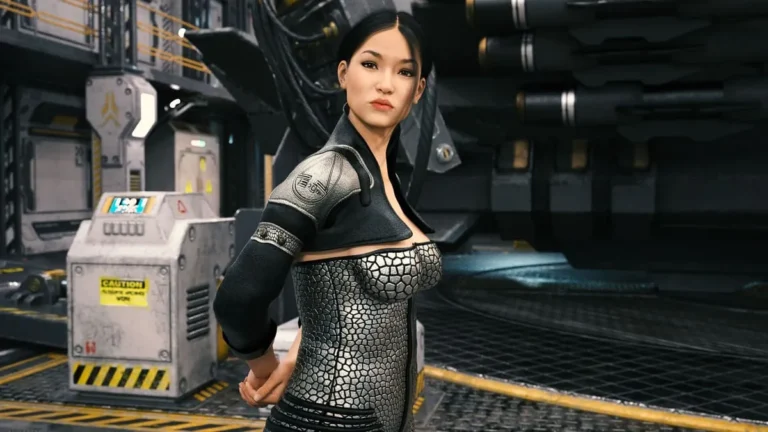
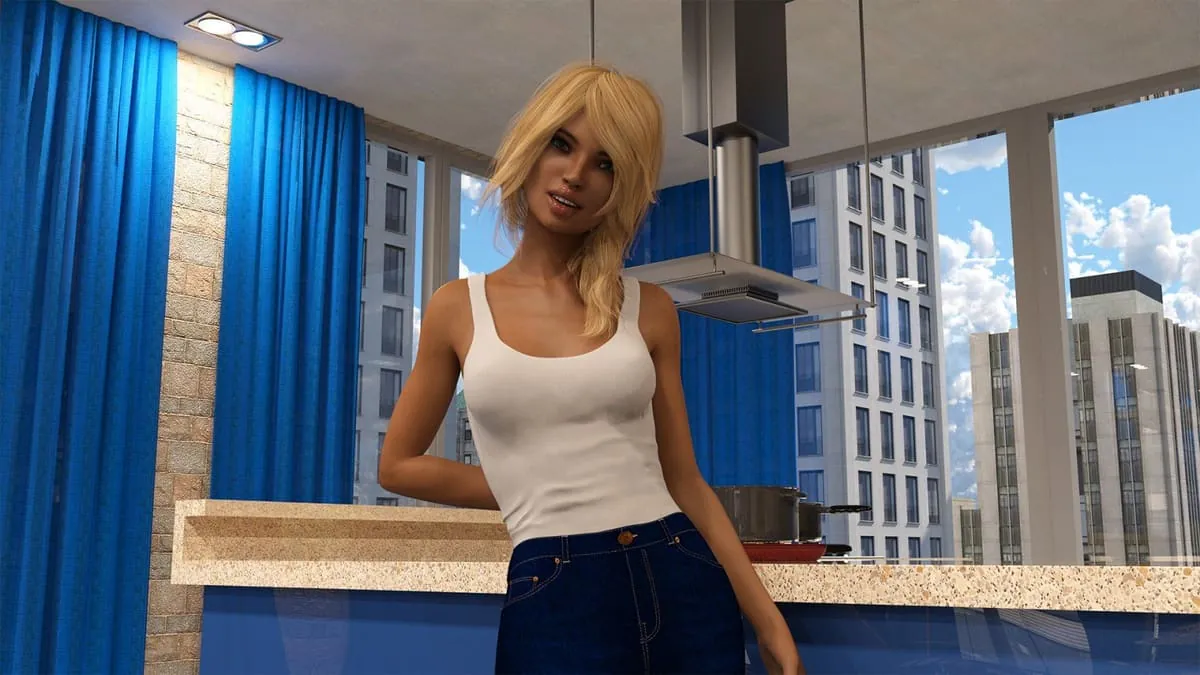
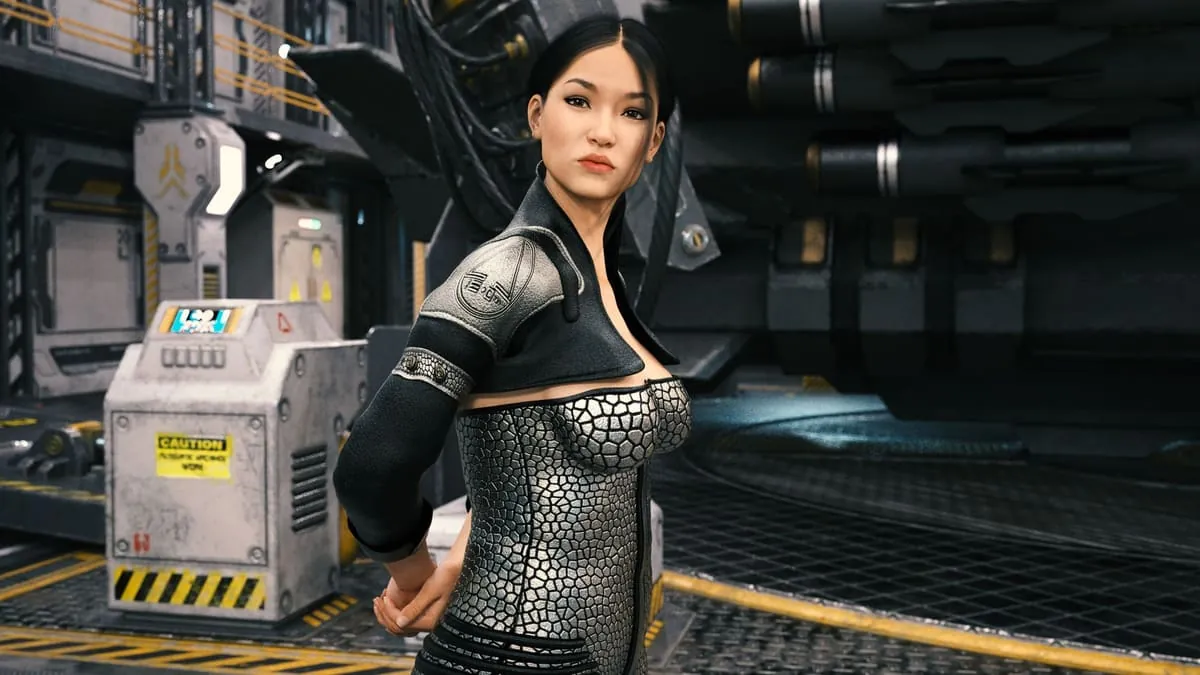
Tales from the Unending Void Screenshots



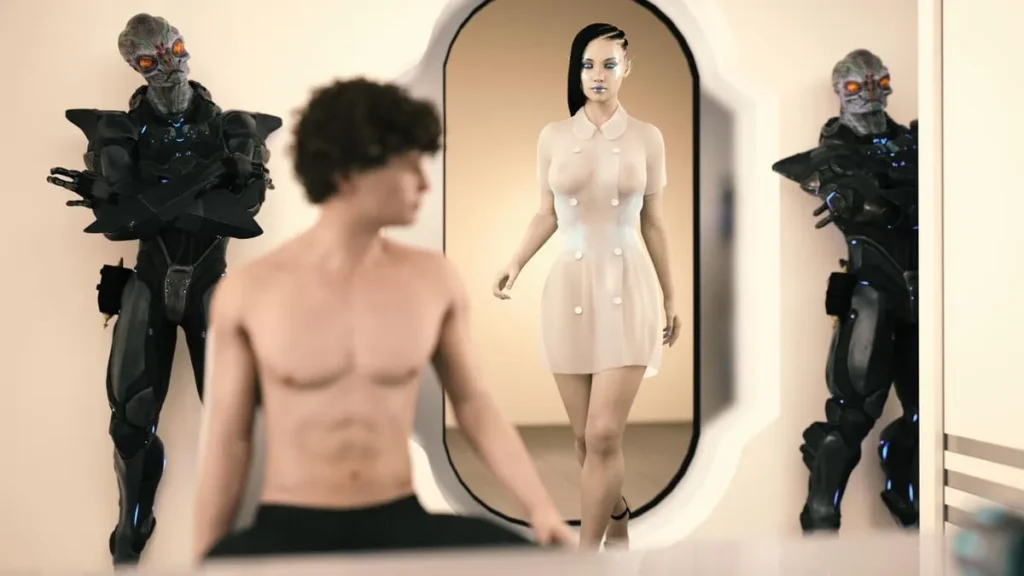
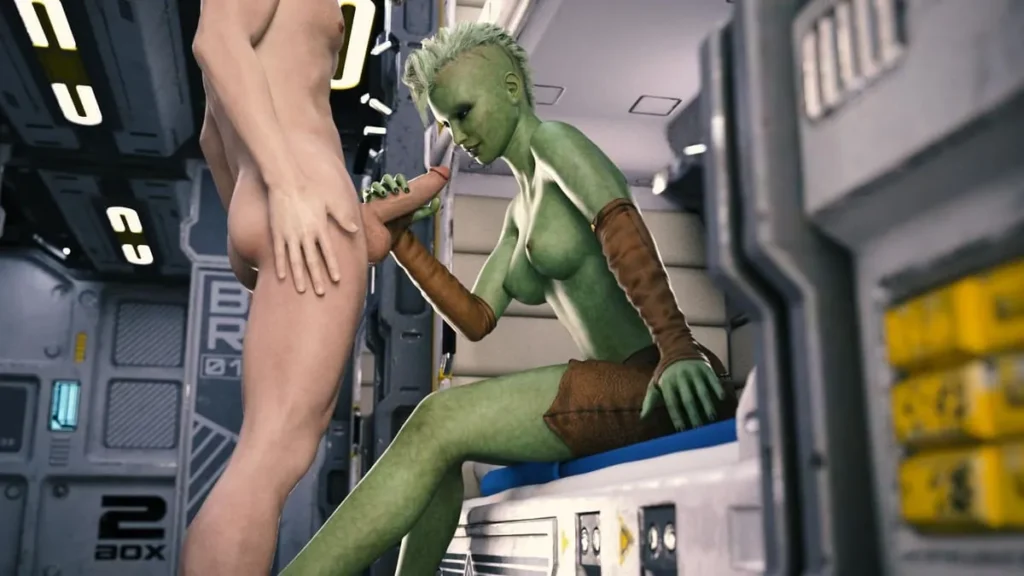
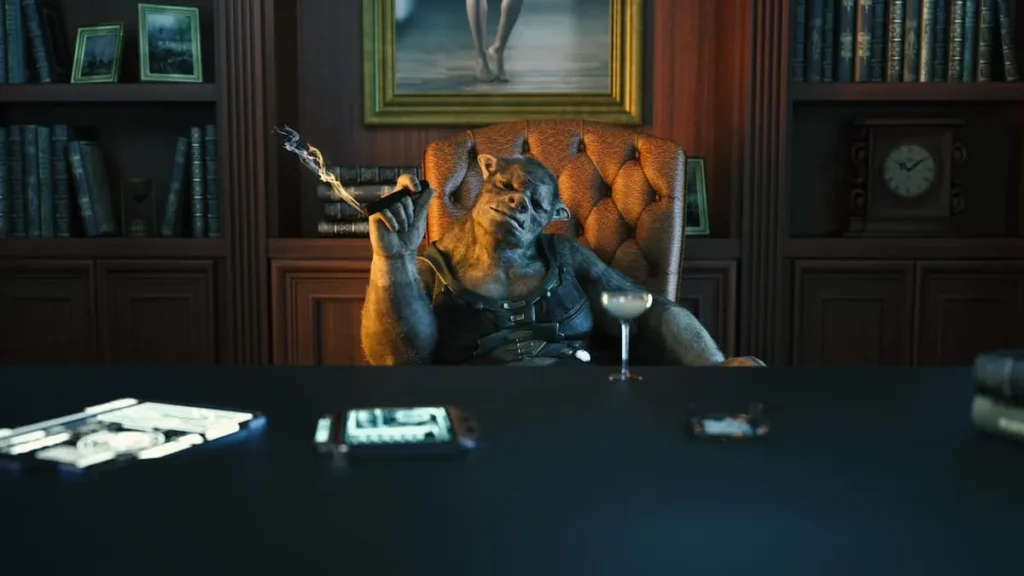
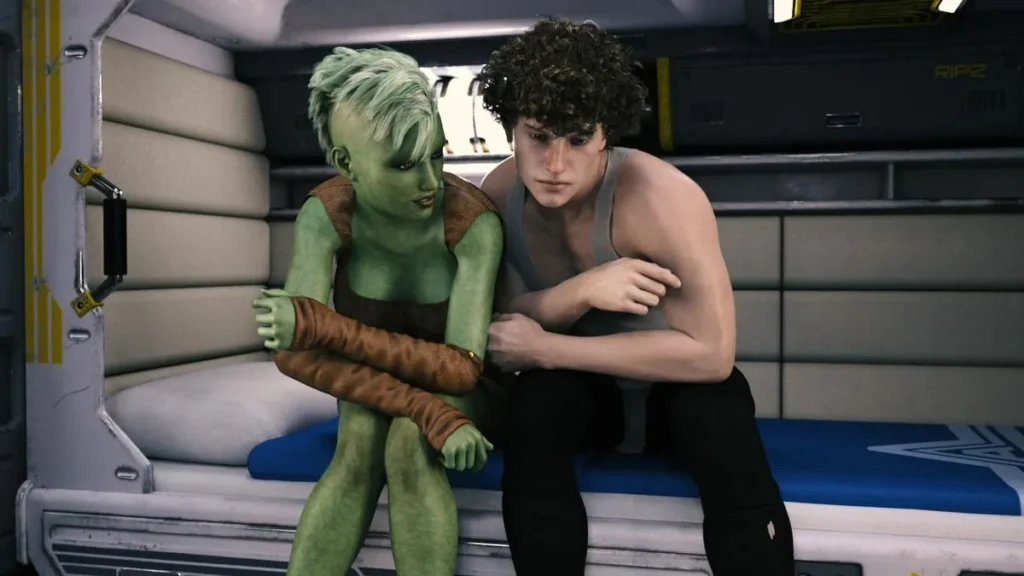

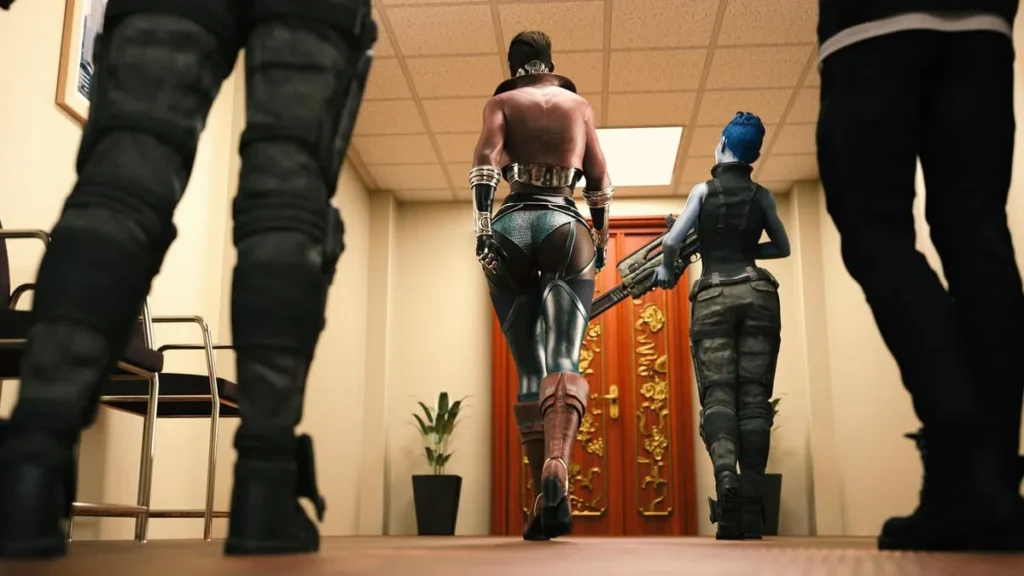
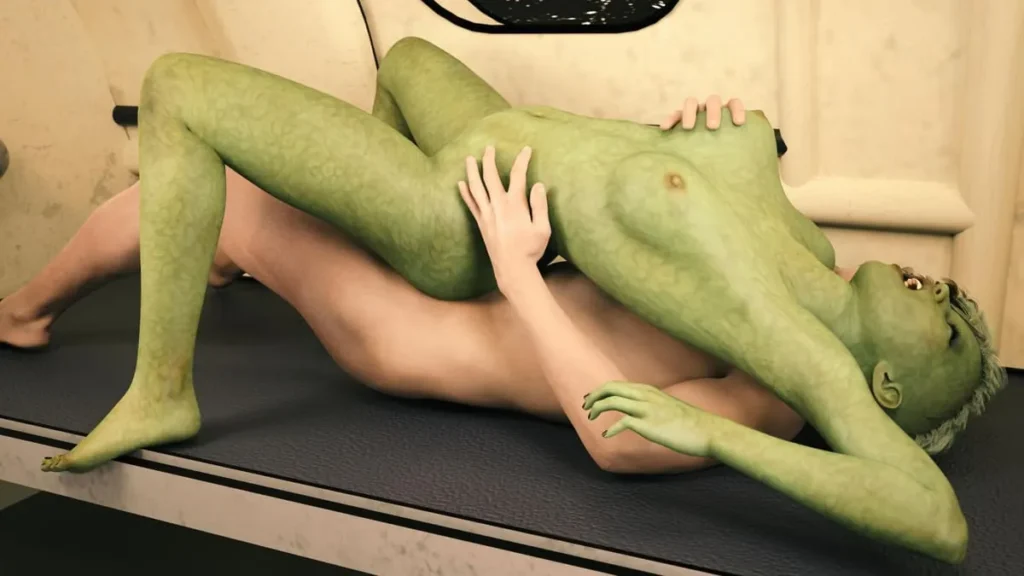

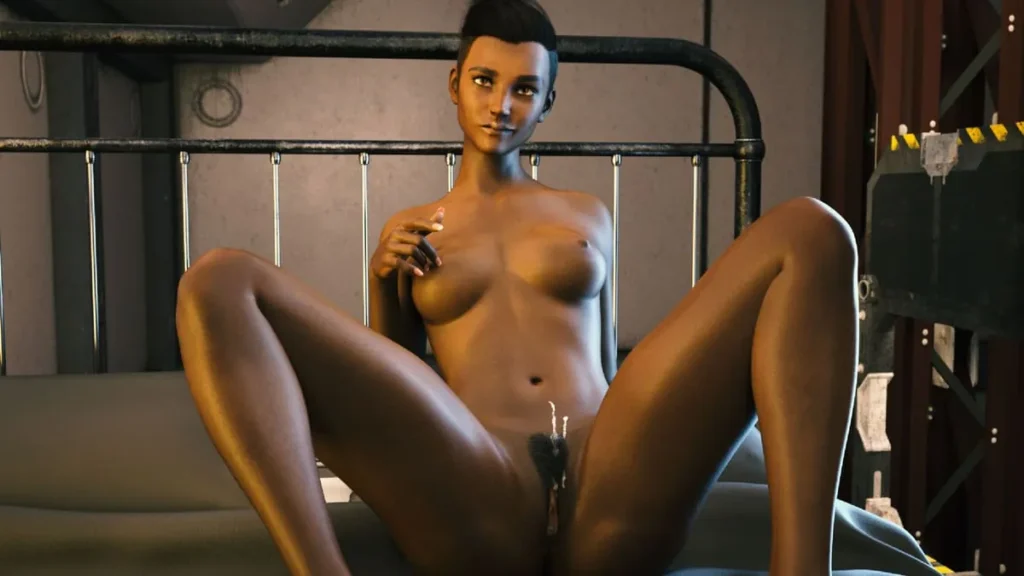


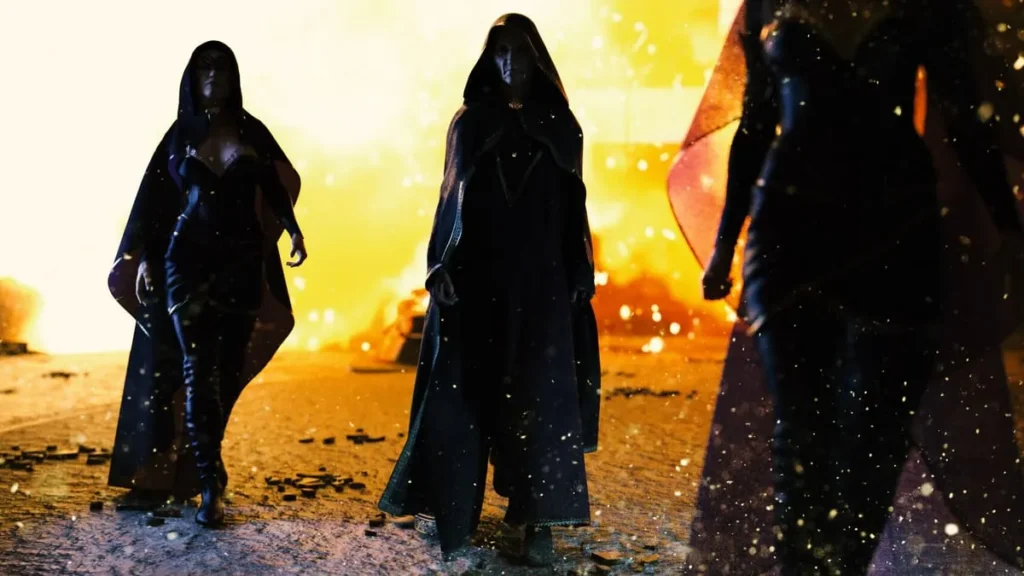

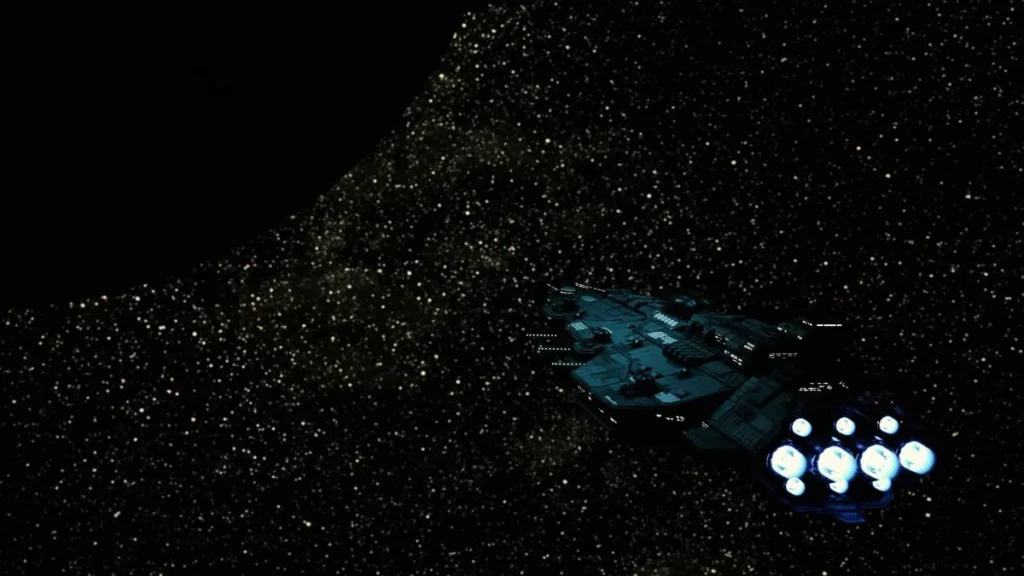

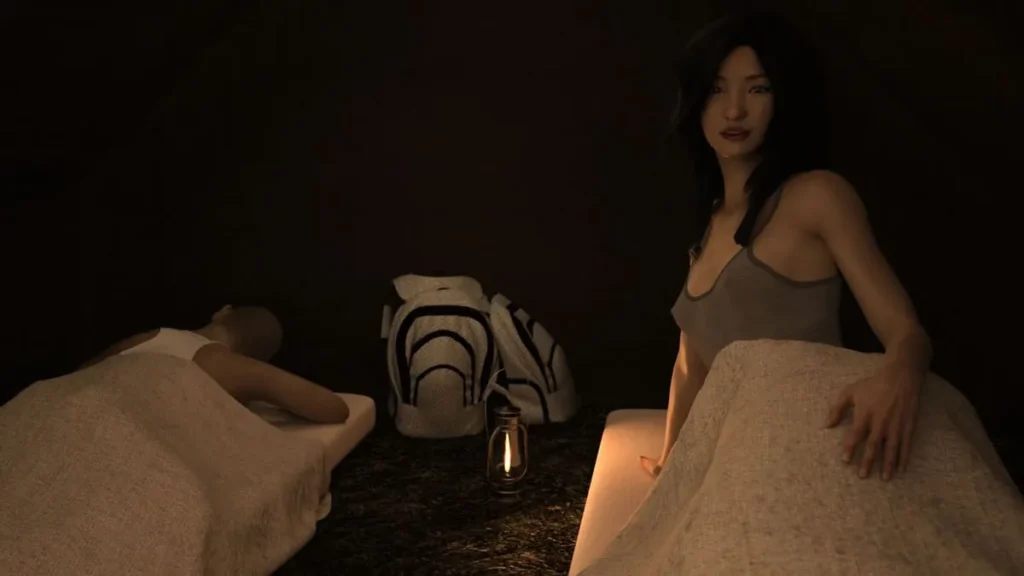
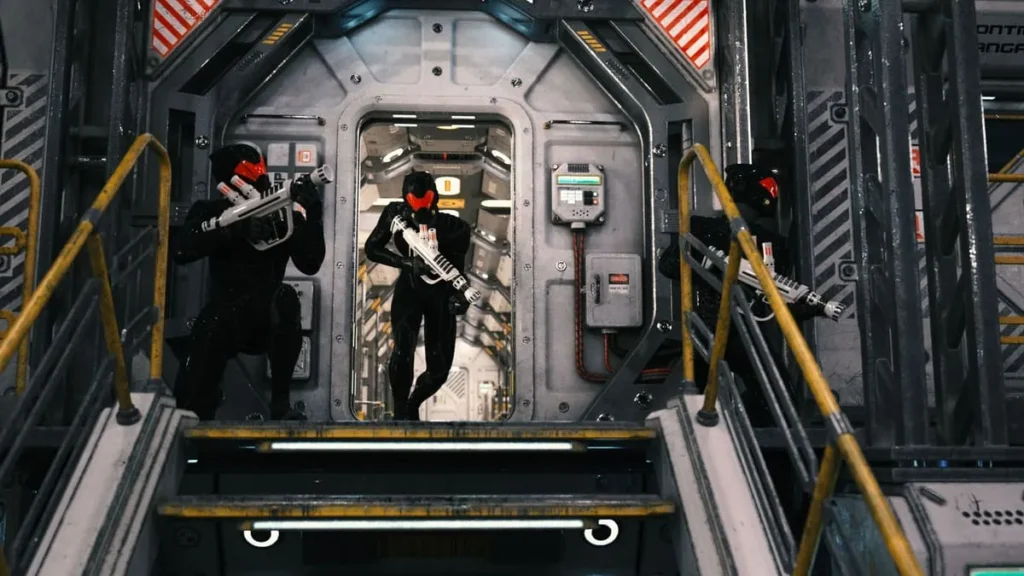
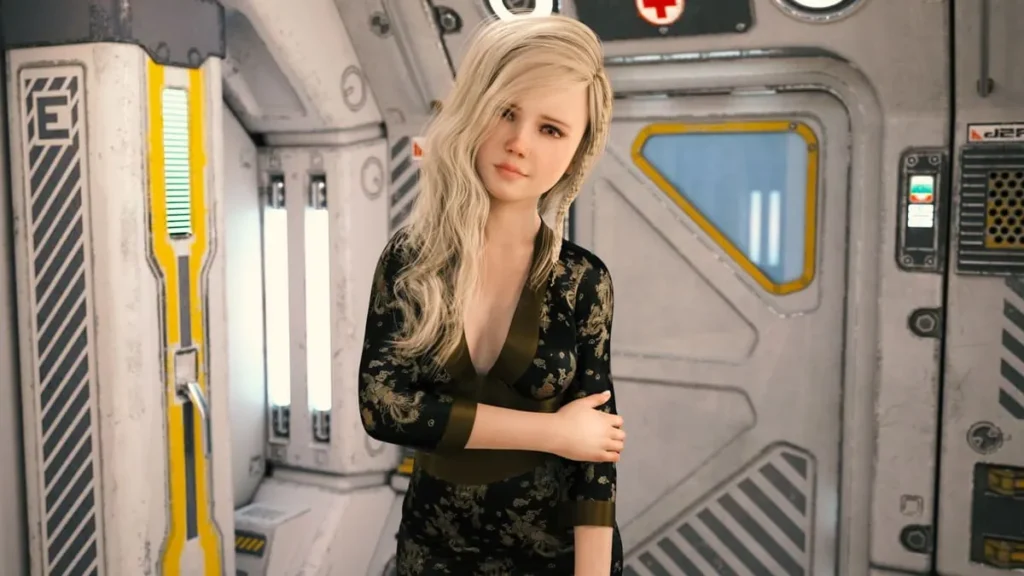
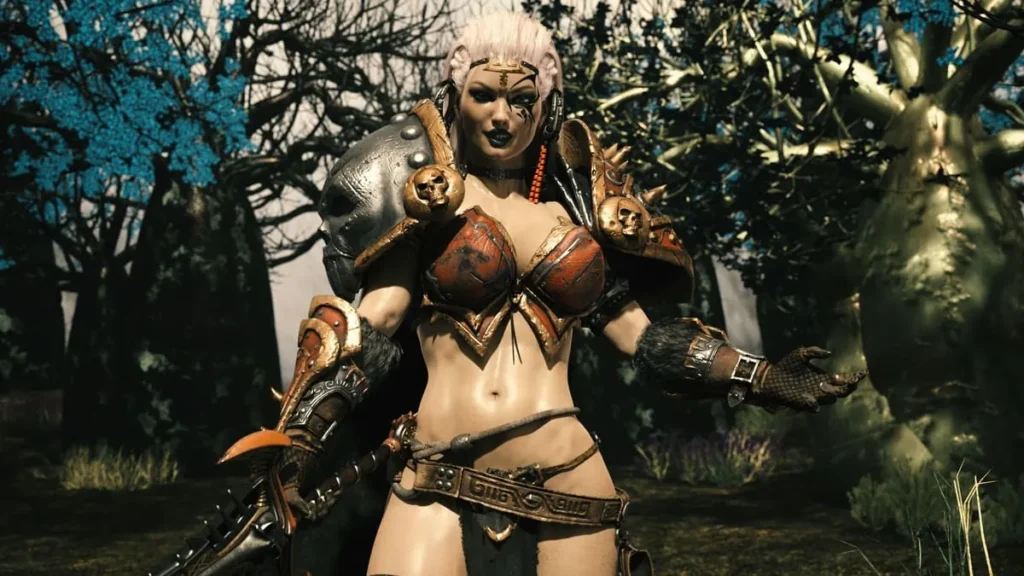
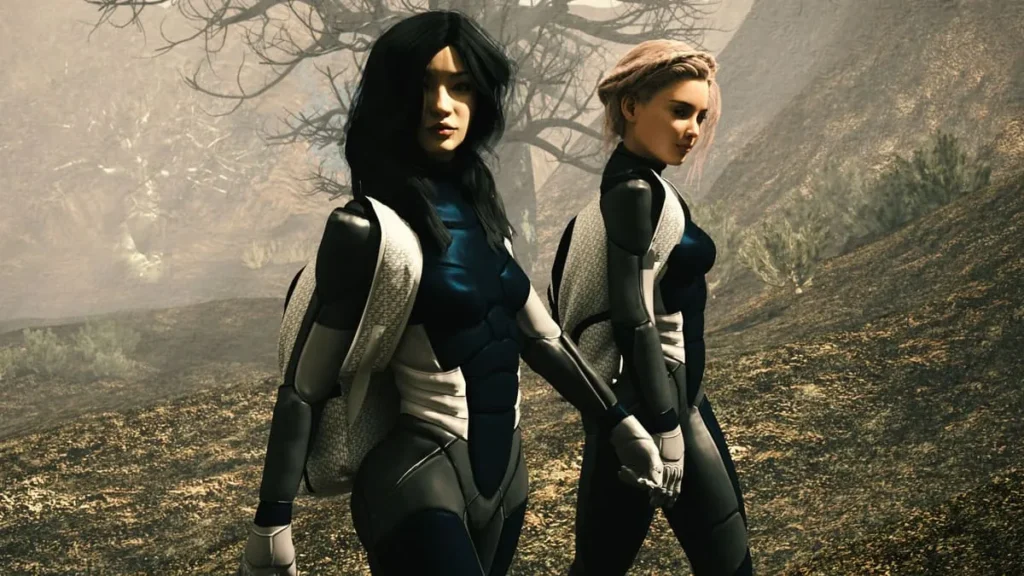
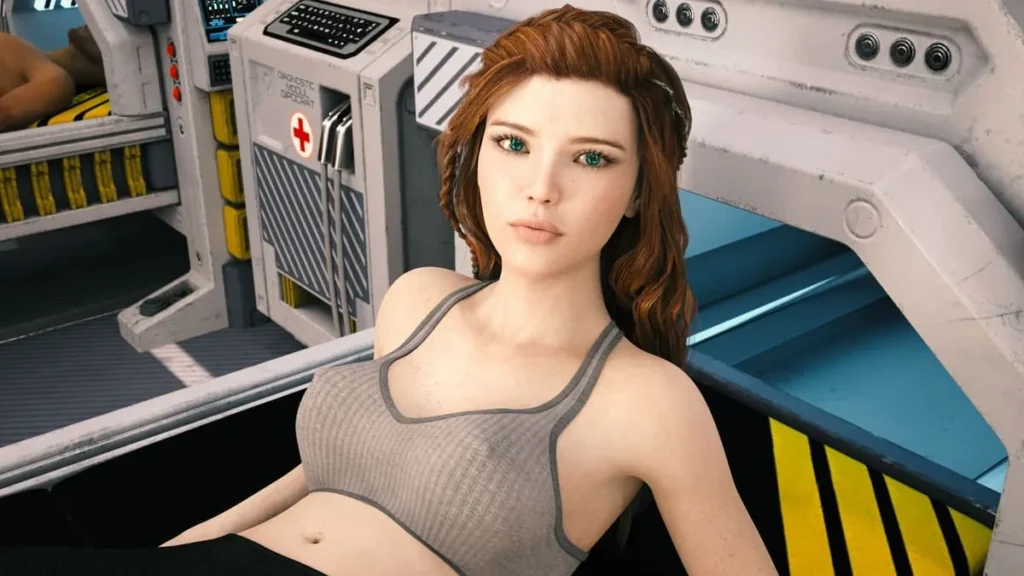
Tales from the Unending Void review
Story, Characters, Gameplay Mechanics, and Player Reviews
Tales from the Unending Void stands out as a narrative-driven visual novel that combines branching storytelling with character-driven gameplay. Developed by Perverteer Games, this episodic adventure spans multiple seasons with hundreds of animations and thousands of rendered scenes. Whether you’re curious about the game’s mechanics, character relationships, or how it compares to other visual novels in the genre, this guide covers everything you need to know about this space-faring adventure and its evolving community reception.
Understanding Tales from the Unending Void: Gameplay and Story Structure
Let’s be honest—when you first boot up Tales from the Unending Void, you might be wondering what you’ve gotten yourself into. 😅 Is it a game you play, or a story you watch? If you’re coming from traditional RPGs or action adventures, the core Tales from the Unending Void gameplay mechanics can feel unfamiliar, even simplistic at first glance. You click. The story advances. You make a choice. Something might happen later. But to dismiss it as just a “clicking simulator” is to miss the point entirely. This is a world where your attention, your empathy, and your personal inclinations are the primary controllers.
The magic—and the friction—lies in how those simple clicks and choices weave together to create a deeply personal experience. Having spent countless hours navigating its star-dusted corridors and tense diplomatic meetings, I’ve come to see its systems not as limitations, but as a focused lens on character and consequence. Whether you’re here for a gripping sci-fi saga or the intricate character bonds, understanding how the game works is key to enjoying the journey. Let’s break it down.
How Does the Gameplay Actually Work?
At its heart, Tales from the Unishing Void operates on a classic visual novel framework, but with a specific flavor. Forget complex combat grids or intricate crafting systems. Here, your tools are attention, dialogue, and choice.
The primary loop is what we call the click-through scene progression. You’re presented with beautifully rendered art and text narration. Clicking or tapping advances the dialogue and scene descriptions, moving the plot forward at your own pace. It’s like reading a dynamic, illustrated book where you control the turning of the page. This might sound passive, but it’s designed to immerse you in the atmosphere and give weight to every spoken word. 🎭
Where the “game” part truly kicks in is through its visual novel choice system. Periodically, the narrative will pause, and you’ll be presented with a dialogue option or an action to take. These aren’t the sprawling, plot-diverging forks in the road you might find in a choose-your-own-adventure book. Instead, think of them as character-defining moments.
For example, when dealing with a crewmate’s personal crisis, you might choose between:
* A compassionate, understanding response.
* A pragmatic, “mission-first” dismissal.
* A harsh, demanding critique.
Here’s the crucial insight many players miss early on: these dialogue decision impact gameplay not by rewriting the main plot’s destination, but by altering your relationships and unlocking (or locking) character-specific scenes and content. Choosing the compassionate route repeatedly with a certain character will build your affinity with them, making them more likely to open up to you later, potentially unlocking a private conversation or a romantic subplot. Conversely, consistently being harsh might shut down those avenues entirely, changing the emotional texture of your playthrough.
Pro Tip: Don’t try to “game” the system on your first playthrough. Pick responses that feel authentic to you. The most rewarding Tales from the Unending Void story progression comes from role-playing a consistent character and seeing how the world and its people react to you.
This leads us to the elegant, if sometimes debated, core of the experience: the character relationship system visual novel. Your stats aren’t strength or intelligence; they’re your bonds with the enigmatic pilot, the stoic engineer, or the mysterious alien ambassador. The game meticulously tracks your interactions, and future scenes are gated behind relationship thresholds. This creates a powerful sense that your social dynamics are a tangible, evolving part of the narrative machinery.
Story Progression Across Seasons: What Changed?
If you’ve engaged with the community at all, you’ve likely stumbled upon the great debate: Tales from the Unending Void Season 1 vs Season 2. This isn’t just about new characters or plot points; it represents a noticeable shift in the game’s balance and pacing that has sparked significant discussion among long-time players. Having played both as they released, the evolution is fascinating.
Season 1 felt like the establishment of a bold new universe. The balance leaned heavily towards world-building, crew dynamics, and setting up the central mysteries of the Void. The choices felt tightly integrated into this slow-burn narrative development. Players invested in unraveling the lore and forming the first bonds with the core cast. The adult content, while present, often felt like a secondary outcome of deepened relationships within this larger narrative framework.
Season 2, however, turned the dial on several elements. The most common feedback from veteran players—and I’ve felt this myself—is that the balance between plot advancement and intimate/romantic content shifted. Many feel the narrative takes a backseat at times, with longer stretches between major plot revelations. Instead, the Tales from the Unending Void gameplay mechanics seem more frequently leveraged to unlock romantic or adult-oriented scenes with the expanded cast.
This has led to a sense of pacing issues for some. Where Season 1 felt like a continuous sci-fi odyssey with relationship elements, Season 2 can sometimes feel like a series of character-focused vignettes with a slower overarching plot. It’s not that the story isn’t progressing; it’s that the ratio has changed. For players deeply invested in the galactic conspiracy, this can feel like the story is treading water. For those who are primarily here for the character connections, Season 2 is a treasure trove.
Let’s visualize the key differences:
| Aspect | Season 1 | Season 2 |
|---|---|---|
| Primary Focus | World-building & core mystery establishment | Character relationship depth & expansion |
| Pacing of Main Plot | Steady, consistent revelations | More sporadic, with longer character-focused intervals |
| Role of Choices | Build foundational bonds, influence early trust | Deepen existing bonds, unlock extensive personal arcs |
| Content Balance | Narrative-driven, with intimate scenes as a narrative result | Increased volume of intimate/romantic scenes as primary content gates |
| Player Reception | Praised for its compelling sci-fi setup and integration | Divided; loved for character depth, critiqued for slower plot pacing |
This isn’t to say one season is objectively better—it’s about what you, as a player, value more. Do you crave a tightly-paced narrative, or do you savor hours of deepening complex relationships? Your answer will likely determine your favorite season. 🚀
FAQ: Common Questions About Choices and Gameplay
Before we dive into characters, let’s tackle some burning questions I had when I started and see constantly in forums.
Q: Do my choices create a completely different story?
A: Not in the way games like The Wolf Among Us do. In those titles, choices often lead to markedly different plot branches and endings. In Tales from the Unending Void, the branching narrative choices are more subtle. They change your relationships, which unlock or block specific scenes and dialogue paths. The central plot beats often remain similar, but the emotional journey, your allies, and the content you experience can vary wildly. It’s about the journey, not the destination.
Q: How do I unlock specific scenes?
A: Consistency is key. The game’s character relationship system tracks your attitude toward each character. To unlock a character’s deeper scenes, you generally need to repeatedly choose options that align with their personality or that show support for them. Making a single “nice” choice won’t do it; you’re building a reputation with them over time.
Q: I made a choice I regret. Can I go back?
A: The game is divided into chapters and scenes. You can often replay individual scenes from the gallery to see alternative dialogue, but for choices that affect long-term relationship points, you’ll usually need to replay from a significant chapter save point to alter your path meaningfully.
Q: Is there a “right” way to play?
A: Absolutely not! The beauty of this visual novel choice system is its personalization. A playthrough where you’re a stern, mission-obsessed captain is just as valid as one where you’re a empathetic friend to all. Each approach reveals different facets of the characters and leads to unique scene availability.
Character Relationships and Decision-Making Impact
This is where Tales from the Unending Void truly lives or dies for most players. The character relationship system isn’t a sidebar; it is the gameplay. Every dialogue choice is a brick in the wall of your relationship with your crew.
Let’s take a practical example. Imagine First Officer Kaelen is struggling with a loss of confidence. A plot-essential mission will happen regardless of your choice. But your response:
* Option A (Supportive): “We all have moments of doubt. Talk to me about it.”
* Option B (Demanding): “I need you focused. Personal issues can wait.”
Choosing A might later unlock a poignant nighttime scene in the observatory where Kaelen shares a vulnerable memory, strengthening your bond and potentially opening a romantic path. Choosing B might keep your relationship purely professional, and you’d miss that scene entirely. Instead, you might get a scene where Kaelen performs efficiently but coldly. The mission outcome is similar, but the emotional landscape of your ship is completely different.
This is the essence of dialogue decision impact gameplay. You are sculpting the quality of the narrative, not just its direction. It’s a game about emotional cause and effect. When players say choices feel like they “only unlock scenes,” they’re not wrong—but they’re underestimating how those scenes are the story’s reward and its very substance. The “gameplay loop” is the deliberate, thoughtful cultivation of trust and conflict.
Compared to something like The Wolf Among Us, where choices can determine who lives or dies, the stakes here are more intimate but no less powerful. It’s the difference between determining the fate of a city and determining the fate of a heart. ❤️🔥 Both are compelling; they just ask different things of the player.
In the end, mastering Tales from the Unending Void gameplay mechanics is about embracing its philosophy. It trades the wide, branching highways of traditional choice-driven games for deep, narrow, and beautifully detailed footpaths through the emotional lives of its characters. Your power isn’t over the plot; it’s over the connections that make the plot worth experiencing. Whether you’re navigating the narrative-focused corridors of Season 1 or the relationship-dense landscapes of Season 2, understanding this is your key to finding your own unique story in the unending void.
Tales from the Unending Void represents an interesting case study in visual novel development, where exceptional graphics and character design initially captured player enthusiasm, but shifting priorities between story and content have created division within the community. The game excels in visual presentation and character personality consistency, offering a more grounded aesthetic than many titles in its genre. However, the reduced narrative focus in Season 2 and slower development pace have tested player patience. For those seeking a visual novel with meaningful character relationships and engaging dialogue, the game delivers on these fronts, though expectations about story progression and gameplay depth should be calibrated accordingly. Whether the series can recapture Season 1’s magic with future updates remains a question the community watches closely.