
Star Periphery
Play Star Periphery
Star Periphery Screenshots
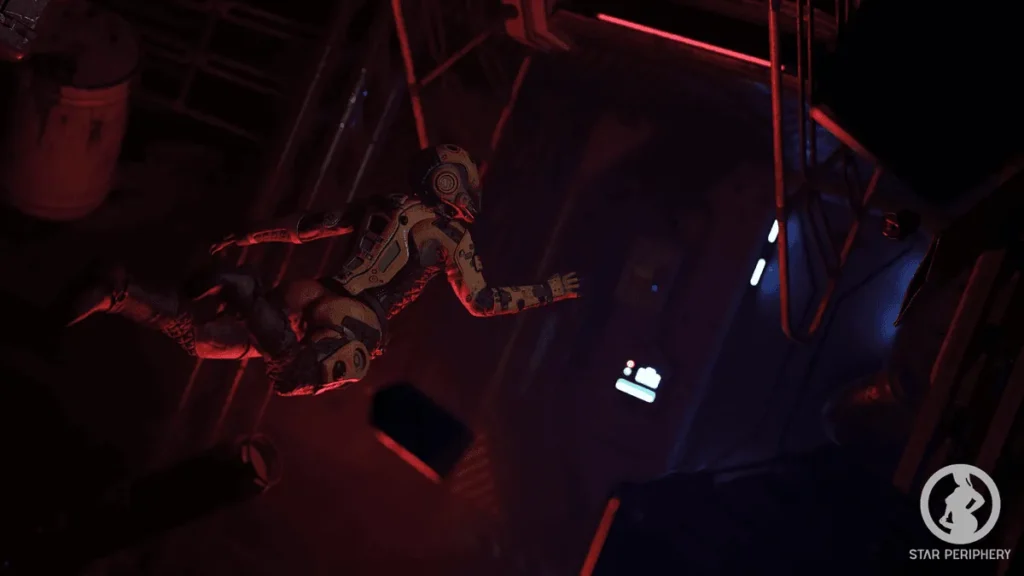

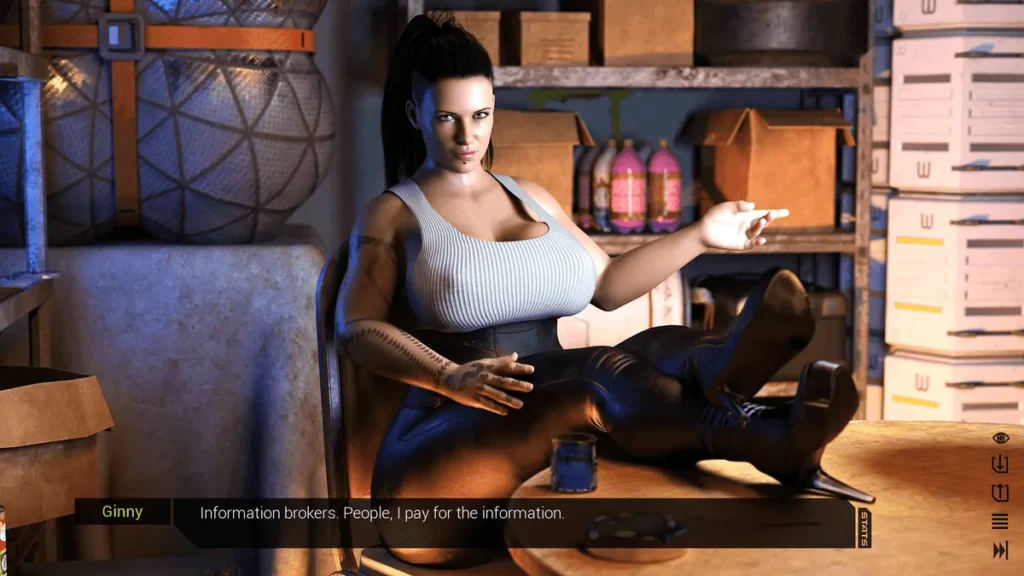

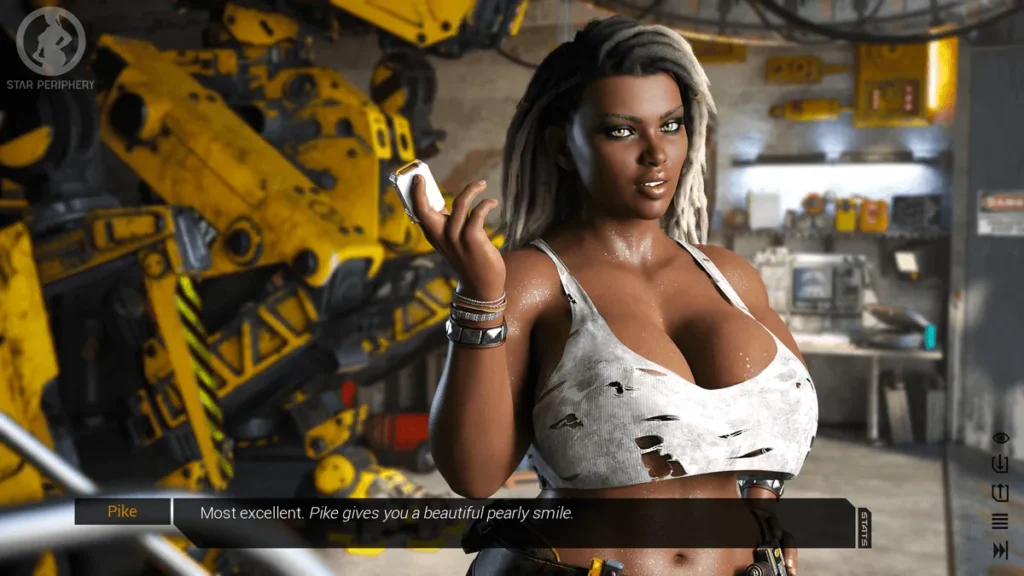



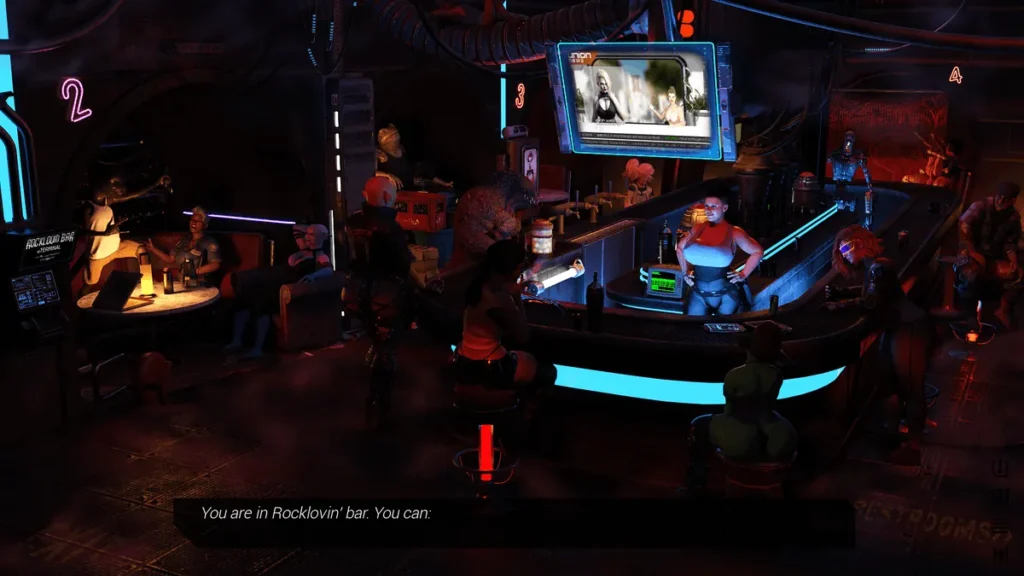
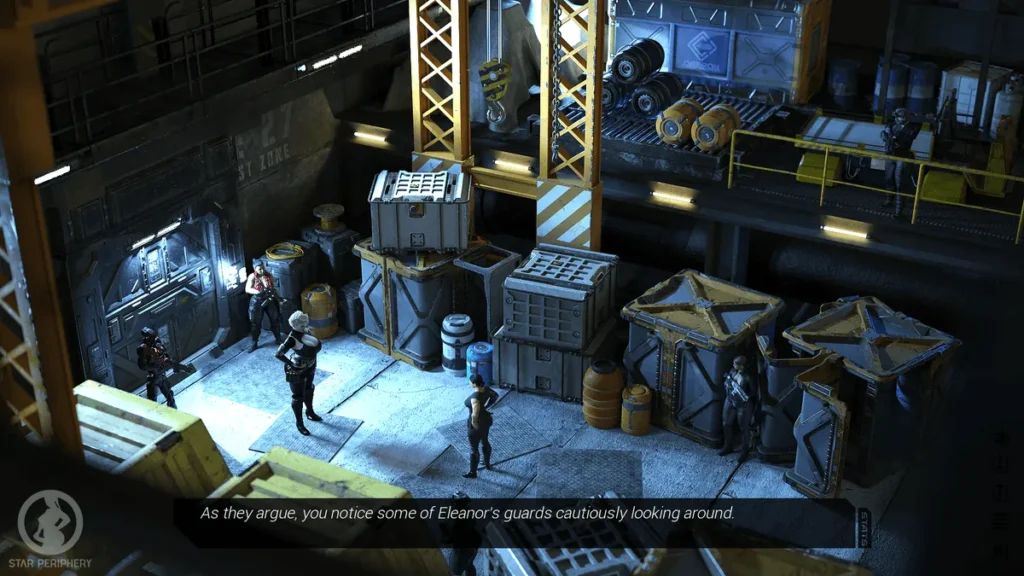
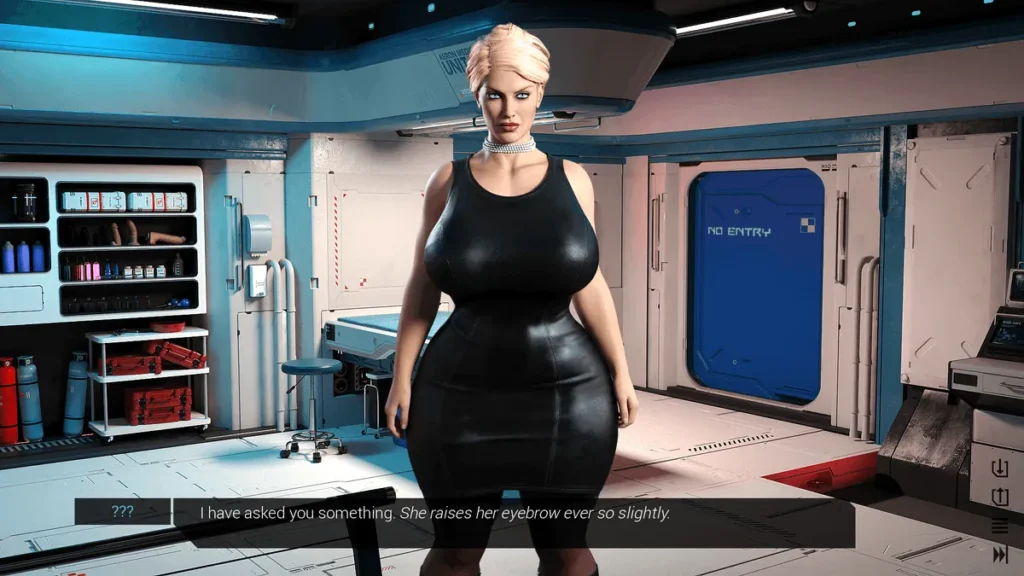

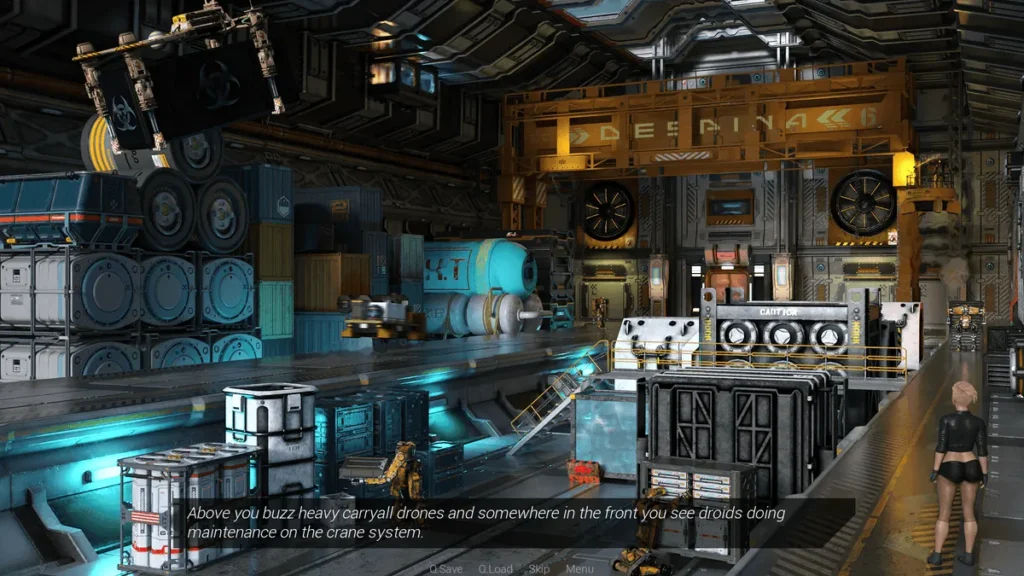
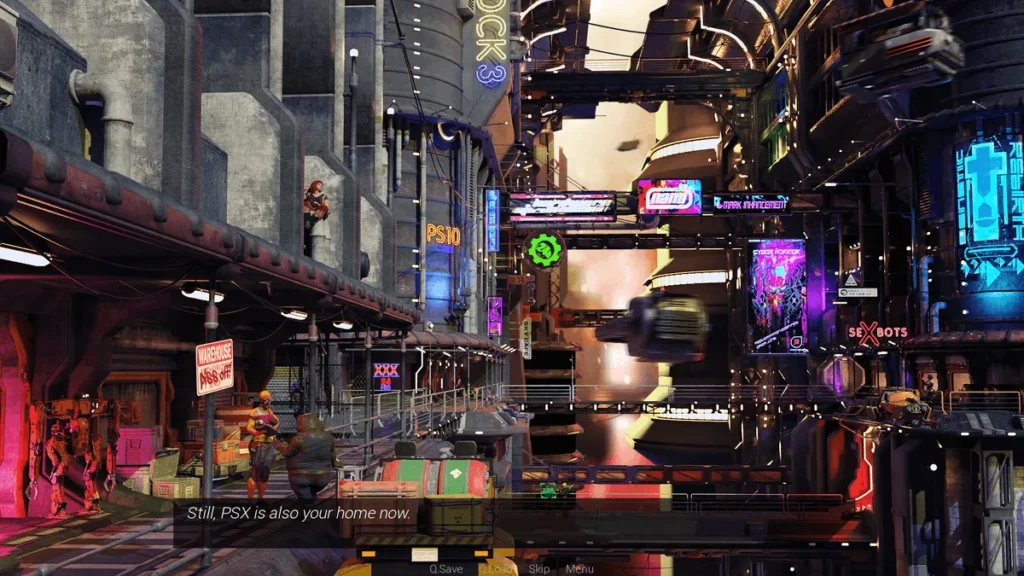
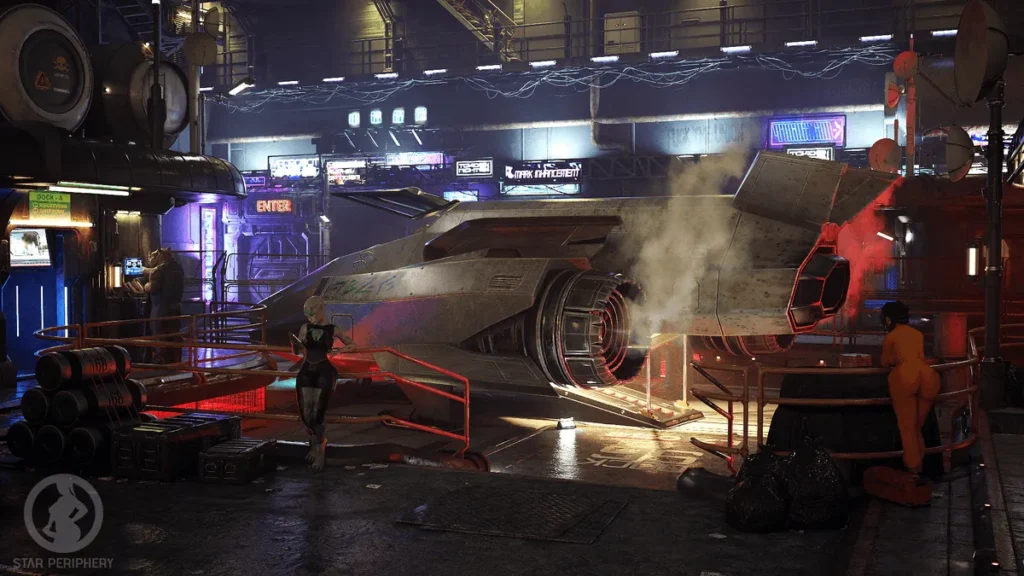
Star Periphery review
Everything you need to know about this unique sci-fi gaming experience
Star Periphery stands out as a distinctive entry in the gaming landscape, offering players a unique blend of science fiction storytelling and interactive gameplay. Whether you’re a seasoned gamer exploring new titles or someone curious about what makes this game special, this guide provides everything you need to understand Star Periphery’s appeal, mechanics, and what sets it apart from other games in its genre. We’ll walk you through the core features, gameplay elements, and what players can expect when diving into this experience.
Understanding Star Periphery: Game Overview and Core Mechanics
Ever felt like the vast, open worlds of modern sci-fi games are… well, a bit empty? You’re piloting a starship the size of a city, but your interaction with the universe boils down to shooting identical enemy drones and collecting glowing ore. 🚀 I’ve been there. I’ve charted a hundred nebulae that were just pretty backdrops, with nothing meaningful to discover. It was this fatigue with gorgeous but hollow spaces that made my first encounter with Star Periphery such a revelation. This isn’t just another game; it’s a handcrafted, narrative-driven universe where every system, every character, and every choice feels deliberately placed. Buckle up, because this game overview will show you why this title is quietly redefining the sci-fi gaming experience.
What is Star Periphery and Who Created It?
So, what exactly is the Star Periphery game? At its heart, it’s a narrative-rich, single-player experience that blends immersive simulation with choose-your-own-adventure storytelling. Developed by the relatively small but fiercely passionate team at Voidforge Studios, the project began as a love letter to classic text-based adventures and the systemic depth of tabletop role-playing games. The developers had a clear mission: to create a universe that reacts, remembers, and evolves based solely on player decisions, not through scripted events on rails.
I remember speaking with one of the lead designers at a digital conference. They described their frustration with games that offer “illusion of choice”—where you pick dialogue options that all lead to the same cutscene. Their goal for Star Periphery was the opposite. They built a “narrative engine” first, a complex web of cause-and-effect, and then crafted a world around it. This foundational philosophy is what makes the Star Periphery title so unique. It doesn’t chase photorealistic graphics or endless procedural generation. Instead, it focuses on density of content and consequence, offering a deeply interactive gameplay loop where your intellect and role-playing instincts are your primary tools.
The game appeals to a specific but dedicated audience: the thinkers, the explorers, and the storytellers. If you crave games where you can talk your way out of a conflict as effectively as you can fight your way out, or where helping a minor character in one star system might unlock a crucial alliance three jumps later, this is your haven. It’s for players who believe that the most compelling frontier isn’t outer space, but the intricate web of relationships and politics within it.
Core Gameplay Mechanics and How They Work
Let’s dive into the nuts and bolts—the gameplay mechanics that make this world tick. Forget about grinding for experience points or managing a million resources. The core systems in Star Periphery are elegantly designed to serve the story and your role within it.
Your journey revolves around your ship, the Wayfarer, which acts as your mobile base, archive, and only constant companion. The primary gameplay mechanics are built on three pillars: Conversation, Exploration, and Crisis Management.
- Conversation is a Game: Every dialogue is a mini-game of strategy and character. You have a limited pool of Influence Points per conversation, which you spend to use specific skills—like Diplomacy, Intimidation, or Technical Insight—to steer the talk. Your ship’s computer passively gathers data on factions and individuals, unlocking new dialogue options. It’s less about picking the “right” answer and more about committing to your captain’s personality.
- Exploration with Purpose: You navigate a static, hand-drawn star map. Scanning a planet doesn’t just reveal resources; it reveals stories—distress signals, anomalous readings, ancient signals. You choose what to investigate, and each location is a self-contained, bespoke scenario full of reading, environmental puzzles, and meaningful decisions.
- Crisis Management: When things go wrong (and they will), you don’t enter a traditional action shooter sequence. Instead, you enter the Crisis Console, a frantic but tactical interface where you allocate power, reroute systems, and give orders to your crew to overcome challenges like nebula storms, boarding parties, or system failures. It’s tense, think-y, and perfectly captures the feeling of commanding a ship on the edge of known space.
Here’s a typical gameplay scenario to show these mechanics in action: You jump into the “Kessler Belt,” a region cluttered with debris. Your scanner pings a faint, looping distress call—keyword: “game narrative” hook. You investigate and find a derelict generation ship, the Odyssey. Boarding it, you discover the survivors are split into two factions arguing over the last functional life-support pod.
- You could use Technical Insight to find a way to jury-rig the ship’s old systems, giving both factions a chance.
- You could use Intimidation to force one faction to stand down, making a powerful enemy but gaining quick access to the ship’s log data.
- Or, you could use your prior Exploration data—maybe you found a compatible part on an abandoned station two systems back—to present a third, unforeseen solution.
The choice isn’t just moral; it’s practical. Your decision will update your reputation with several factions galaxy-wide, determine what rewards (information, items, crewmates) you receive, and literally change what events spawn on your starmap later. This is the essence of how to play Star Periphery: you are not just following a story, you are engineering it through a series of deliberate, systemic choices.
To see how this focus sets it apart, let’s look at a quick comparison.
| Feature | Star Periphery | Typical Sci-Fi Space Sim |
|---|---|---|
| Core Loop | Narrative discovery & conversational problem-solving | Combat, resource gathering, base building |
| World Building | Handcrafted, static locations with dense, bespoke stories | Vast, procedurally generated planets with repetitive activities |
| Player Progression | Unlocking narrative paths, reputation, and ship database entries | Increasing numerical stats, acquiring better gear/ships |
| Conflict Resolution | Primarily through dialogue, puzzles, and tactical system management | Primarily through direct combat (ship or personal) |
The Setting and Narrative Framework
The game narrative doesn’t just happen within the world of Star Periphery; it is inextricable from its setting. You are not a hero in a grand war against an evil empire. You are a freelance “Resolution Agent,” operating in the Periphery—a lawless, loosely connected band of star systems beyond the control of the stagnant, bureaucratic Core Worlds. This isn’t about saving the galaxy; it’s about surviving in its ignored corners and uncovering its hidden truths. 🌌
The tone is one of gritty, hopeful solitude. It’s “used future” sci-fi, where technology is a tool, often malfunctioning, and humanity remains beautifully, frustratingly human. The sci-fi gaming experience it offers is less about spectacle and more about atmosphere. The haunting, synth-based soundtrack and detailed, lo-fi visual design of ship interiors make you feel the loneliness and the weight of your decisions. You’ll spend a lot of time reading logs, analyzing data, and listening to the hum of your ship’s drives—and it’s utterly captivating.
The world-building is delivered through a genius method called Fragmentary Discovery. There is no massive codex entry dumped on you. Instead, you piece together the history of the Periphery, the mysteries of the vanished “Precursors,” and the motivations of factions like the profit-obsessed Trade Syndicate or the cybernetic purists of the Church of the Original Form through:
* Scattered personal logs on derelicts.
* Off-hand remarks from characters during conversations.
* Data fragments recovered from ancient satellites.
* The changing headlines on the galactic news feed in your cabin.
This makes the game narrative feel earned. I recall spending an hour cross-referencing dates from a mining colony log with a historical event mentioned by a Syndicate merchant, suddenly understanding why the colony had failed. It was a eureka moment no cutscene could ever provide. The mechanics serve this narrative perfectly—your Exploration finds the fragments, your Conversation skills help you interpret them, and your Crisis Management decisions test the convictions you form from them.
Pro Tip for New Players: Don’t rush. Your first playthrough of the Star Periphery game should be slow and curious. Talk to everyone twice. Read every log you find. The joy isn’t in reaching the end, but in understanding the depth of the web you’re navigating. Treat your ship’s database as your most important tool, not your weapon.
Ultimately, the Star Periphery experience is for those who believe that in the vast silence of space, the most interesting thing to find is another story. It proves that a compelling sci-fi gaming experience is built not on the size of the map, but on the significance of every point within it. Its interactive gameplay creates a unique contract with the player: your attention and intellect are rewarded with a story that is genuinely, unreservedly yours. This game overview just scratches the surface of its dense, reactive universe. The real adventure begins when you take the helm, plot your first jump into the unknown, and start writing your own chapter in the ever-evolving story of the Periphery. ✨
Star Periphery offers a distinctive gaming experience that appeals to players seeking engaging sci-fi storytelling combined with meaningful gameplay mechanics. Through its thoughtfully designed features, deep content, and commitment to player agency, the game has carved out a dedicated community of enthusiasts. Whether you’re drawn to the narrative depth, the unique mechanics, or the overall experience, understanding what Star Periphery delivers helps you decide if it’s the right game for you. If you’re ready to explore what this game has to offer, dive in and discover why players continue to engage with and discuss Star Periphery within the gaming community.