Snow Daze: The Music of Winter
Play Snow Daze: The Music of Winter
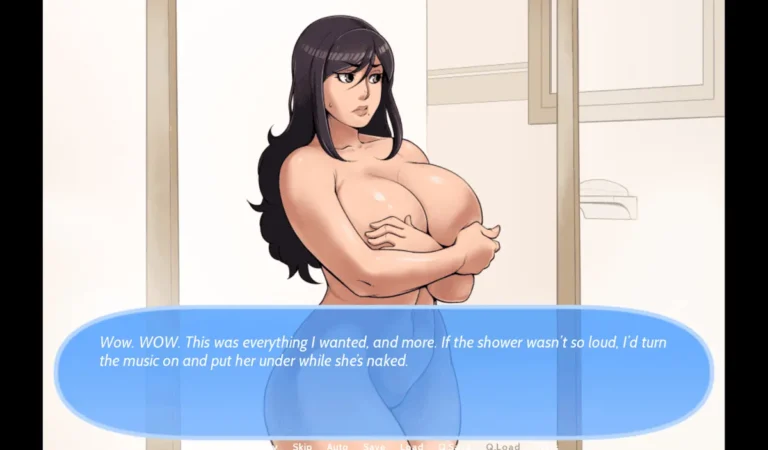
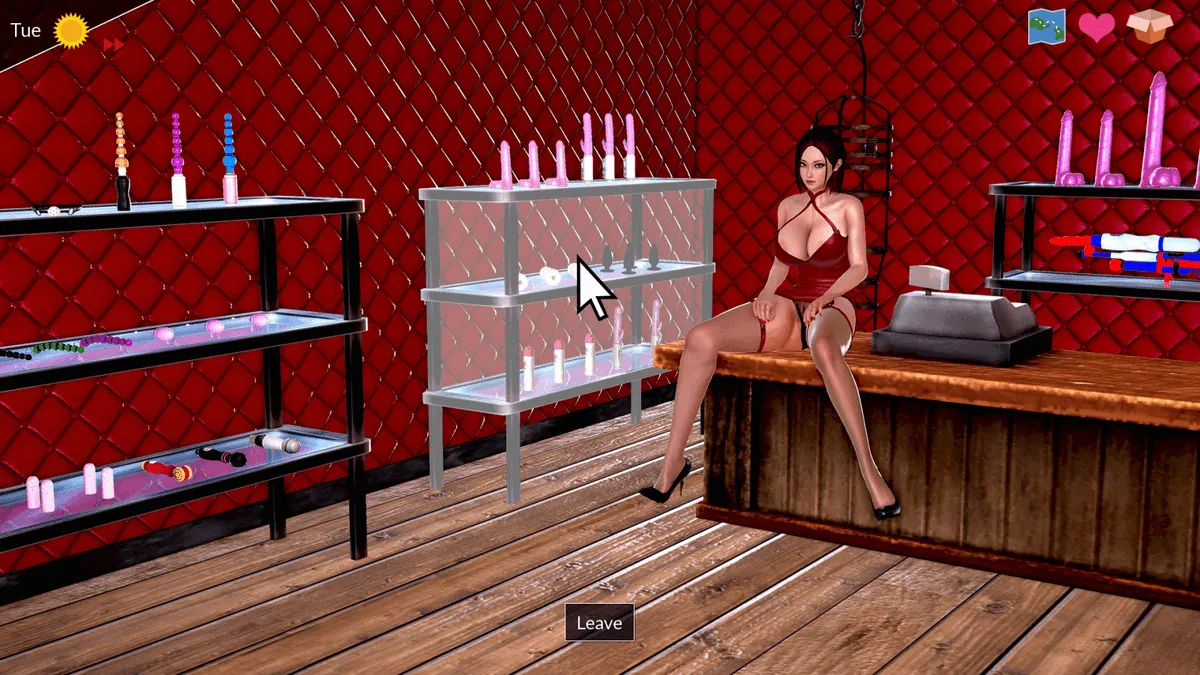
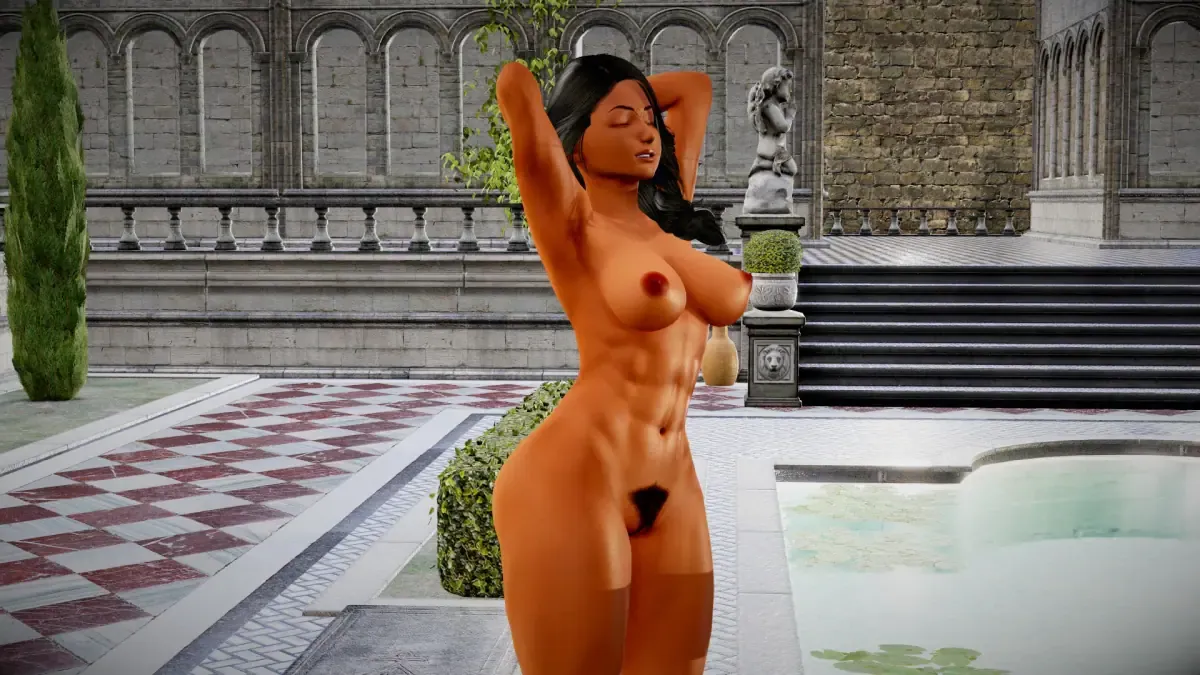
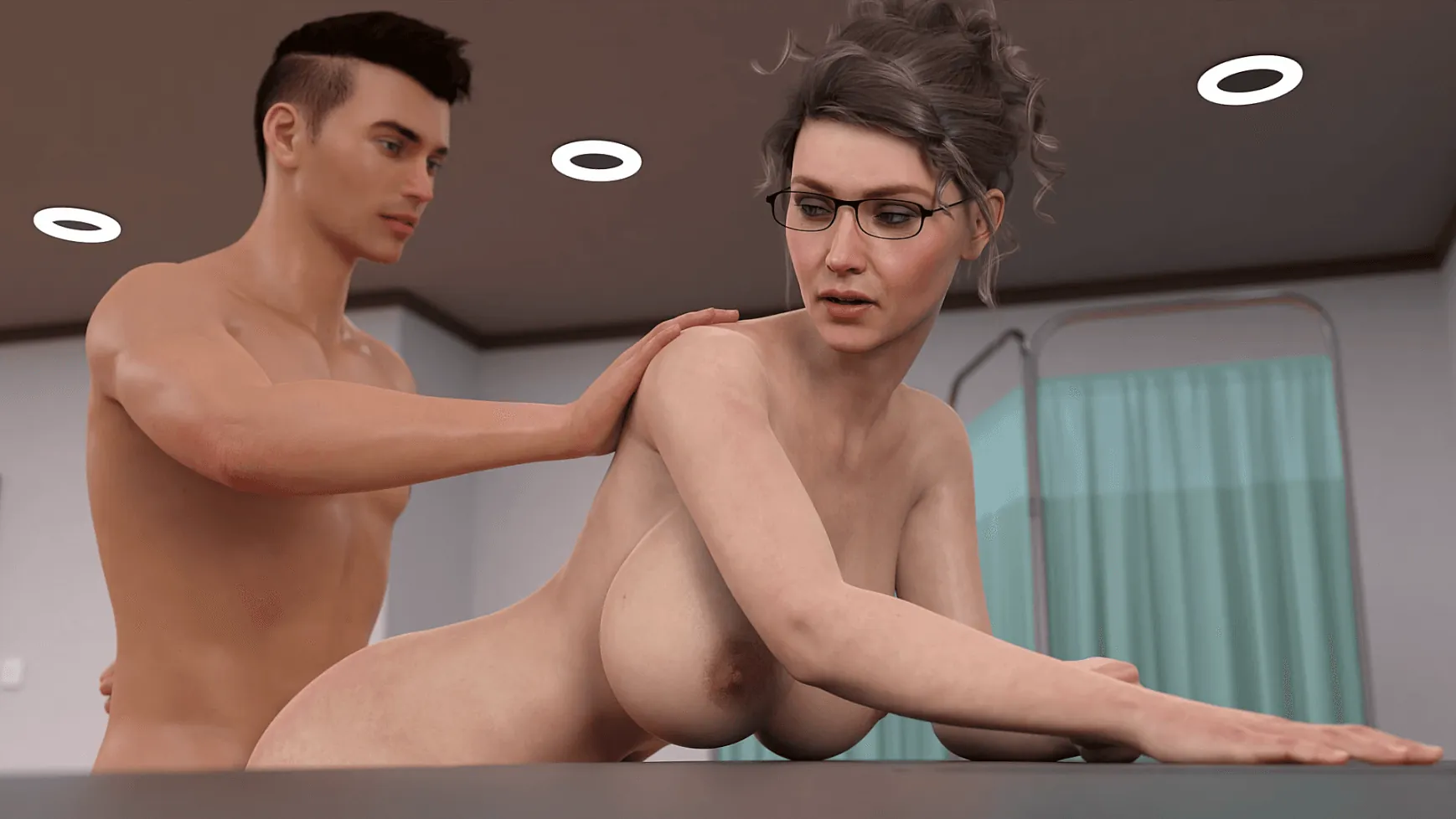
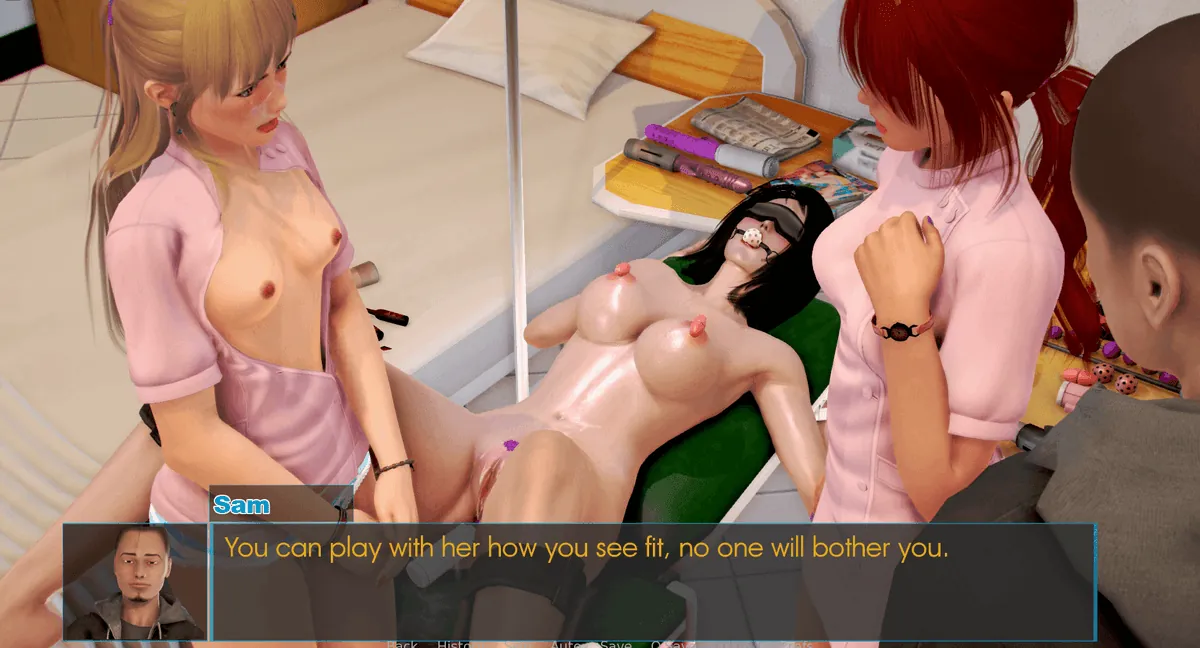
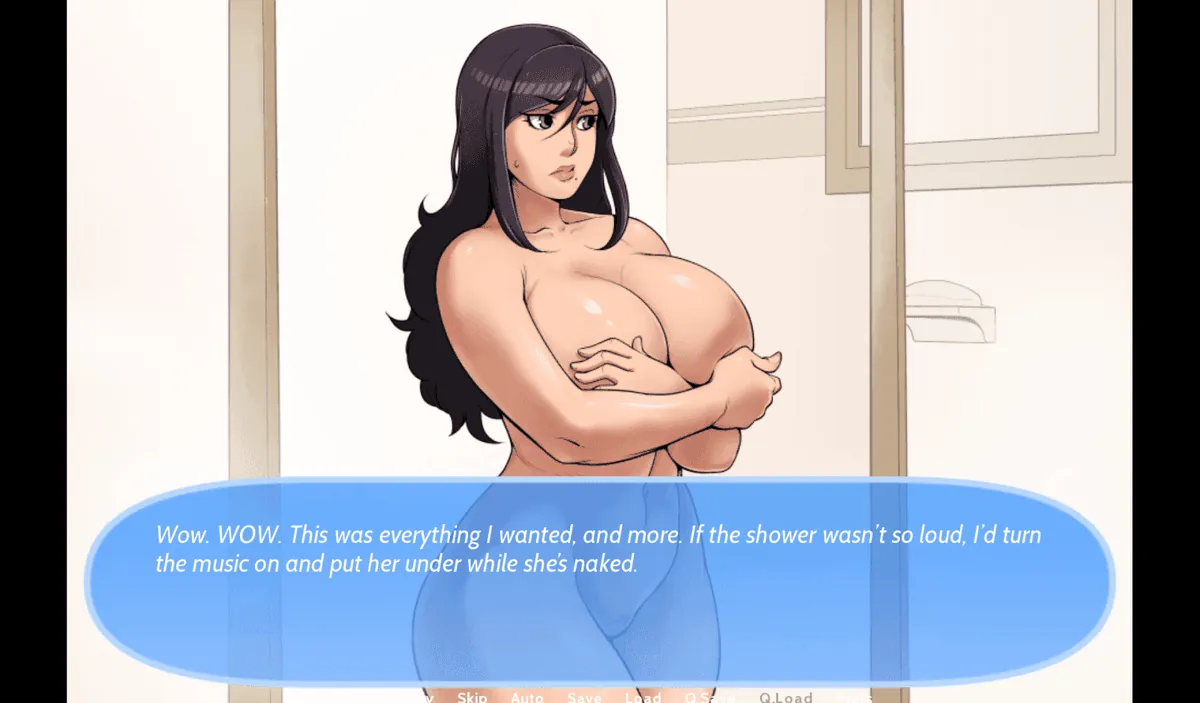
Snow Daze: The Music of Winter Screenshots
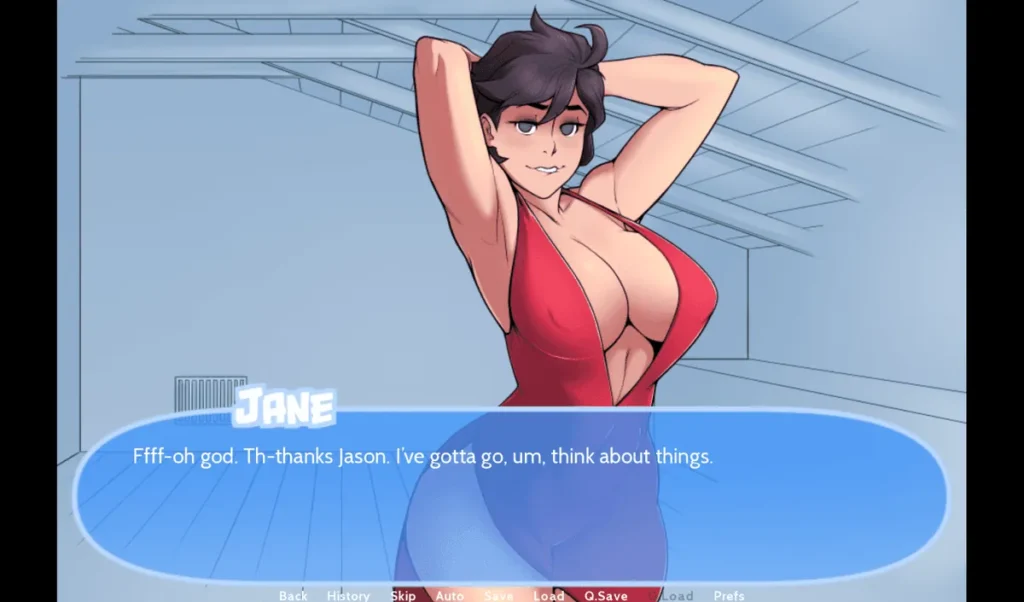
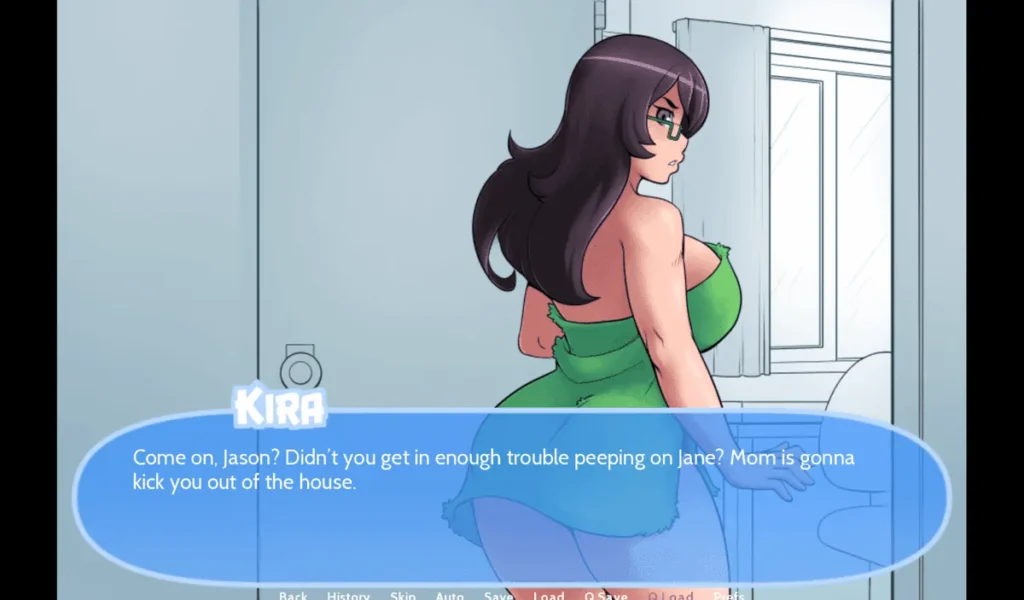
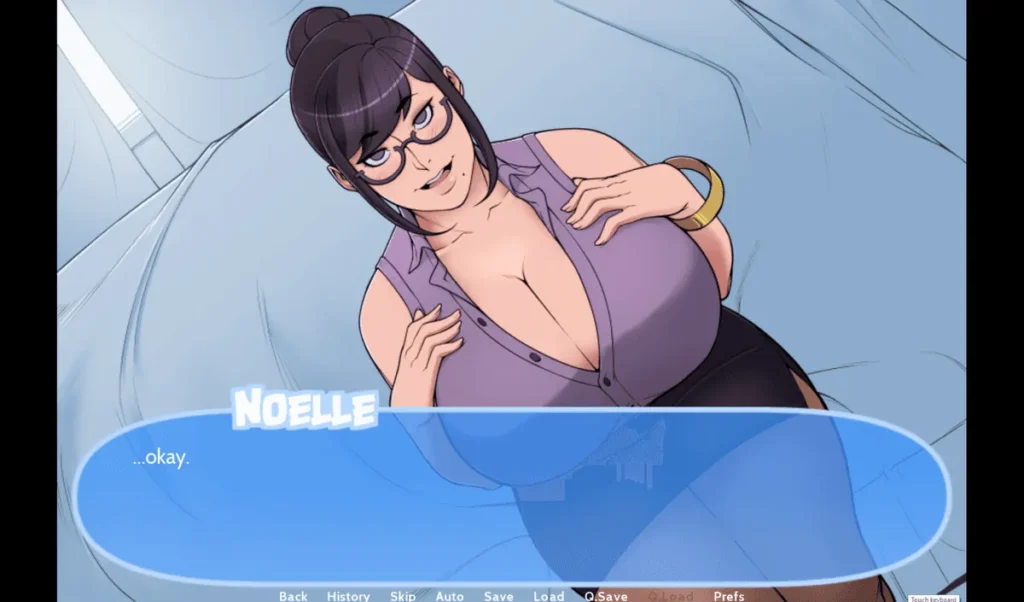
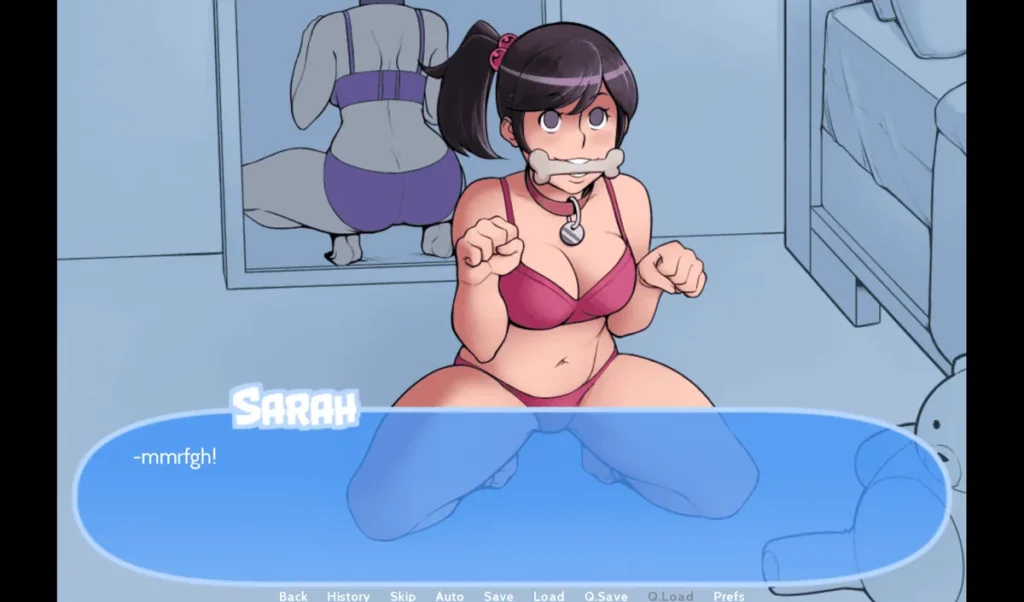
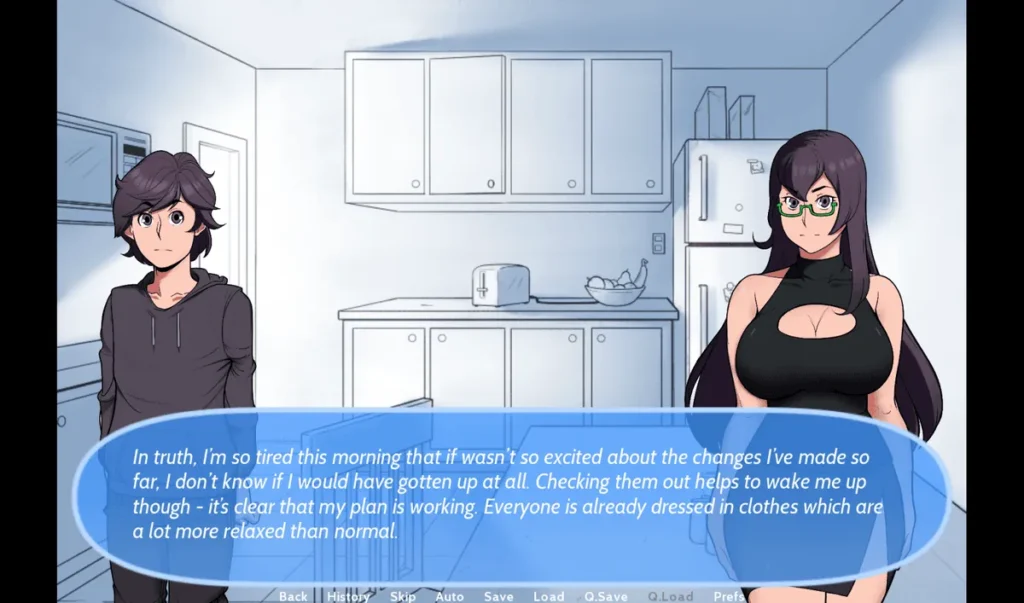
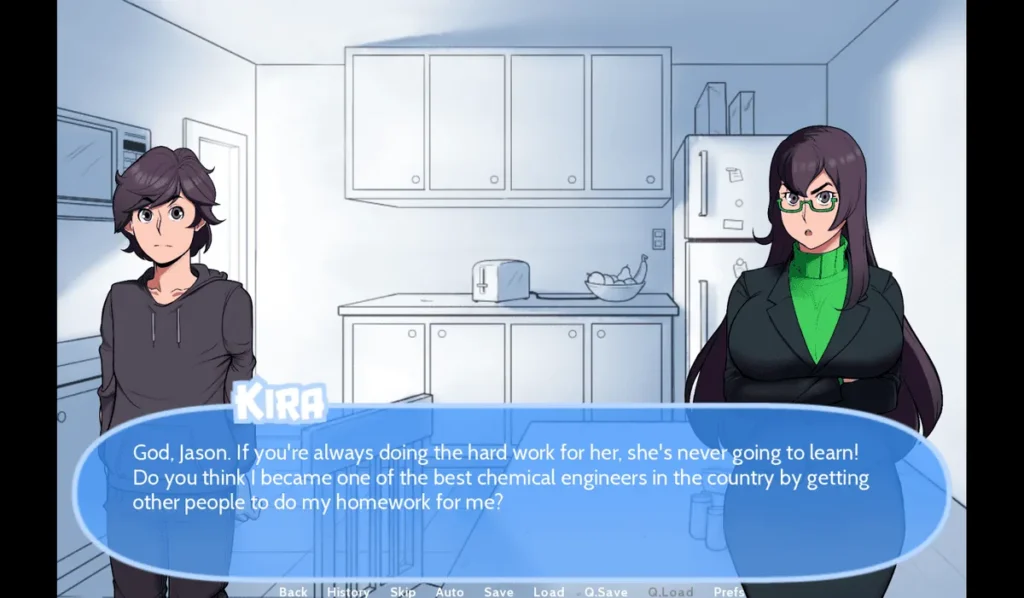
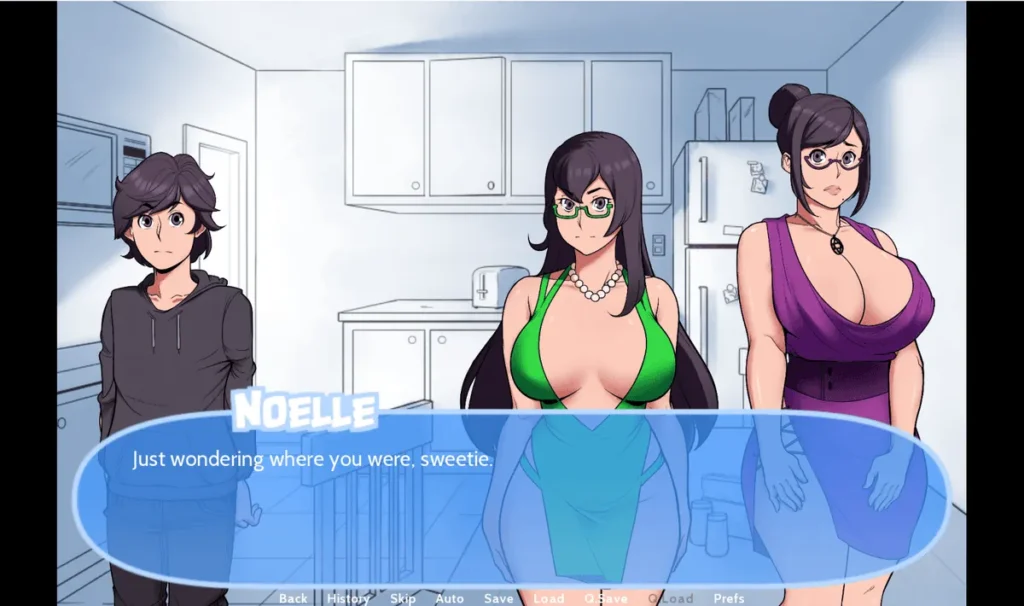
Snow Daze: The Music of Winter review
Explore the interactive visual novel experience with multiple endings and character storylines
Snow Daze: The Music of Winter stands out as a unique interactive visual novel that combines choice-driven storytelling with mature themes and expertly voiced characters. Developed by Kyungeki Workshop and Outbreak Games, this game invites players into a week-long snowed-in scenario where every decision shapes the narrative outcome. Whether you’re interested in exploring multiple endings, understanding the game’s mechanics, or discovering what makes this title compelling, this comprehensive guide covers everything you need to know about this distinctive gaming experience.
Understanding Snow Daze: The Music of Winter – Game Overview and Core Mechanics
Ever found yourself clicking through a story, half-paying attention, only to reach an ending that feels… generic? 🥱 I have. Too many games promise a branching tale but deliver a railroaded experience where your choices are just an illusion. That’s why Snow Daze: The Music of Winter was such a refreshing surprise for me. It’s a game that doesn’t just tell you your choices matter—it builds its entire world around them, leading to a deeply personal and often surprising narrative adventure.
This isn’t just another story on your screen; it’s an interactive visual novel that truly earns that description. From the moment you start, you’re not a passive observer. You’re in the driver’s seat, making decisions that ripple through every relationship and ultimately decide your fate over a tense, snowy week. If you love stories where you have real agency, buckle up. ❄️
### What is Snow Daze: The Music of Winter?
Let’s cut through the chill and get to the heart of it. Snow Daze: The Music of Winter is a choice-driven gameplay experience developed by Kyungeki Workshop and Outbreak Games. Released on Steam, this title stands out in the Steam visual novel library for its commitment to player agency and narrative depth. At its core, it’s a casual adventure game wrapped in a psychologically compelling premise.
You play as a talented but frustrated musician, snowed in with your family for what was supposed to be a short visit. A massive blizzard hits, trapping everyone inside the remote house. With no power, limited supplies, and five long days ahead, the familiar family dynamic begins to strain and then… twist. 🏠❄️ The pressure cooker environment forces secrets to the surface and tests bonds in unexpected ways. Your goal? Navigate the complex emotions and hidden desires of your relatives to find a path through the storm—both outside and within the walls of your home.
What makes this interactive visual novel special is its authenticity. The characters feel real, with voiced dialogue that adds a layer of immersion many text-heavy games lack. This is fully voiced interactive fiction, with performances that bring nuance to every line, making the emotional highs and lows hit much harder.
To get your bearings, here’s a quick snapshot of the game’s essentials:
| Specification | Details |
|---|---|
| Developer | Kyungeki Workshop, Outbreak Games |
| Publisher | Outbreak Games |
| Release Year | 2017 |
| Primary Platform | Steam (PC) |
| Genre | Casual Adventure, Interactive Visual Novel |
| Key Features | Choice-Driven Narrative, Multiple Endings, Full Voice Acting, Five-Day Timeline, Extended Bonus Content |
I remember my first playthrough; I went in blind, thinking I’d just “be nice” to everyone. Big mistake. 😅 The game expertly subverts those simple expectations. Being the perpetual peacemaker led to one of the most unsettling conclusions I’ve seen, proving that Snow Daze: The Music of Winter is playing a much deeper game than surface-level family drama.
### Gameplay Mechanics and Choice System
Forget complicated control schemes or intricate puzzles. The visual novel game mechanics here are elegantly simple, putting all the focus squarely on your decisions. The interface is clean: you read beautifully illustrated scenes, listen to the superb voice work, and when a crossroad appears, you choose. But don’t let the simplicity fool you—this is where the game’s genius lies.
Every choice, from a seemingly minor compliment to a major confrontation, feeds into a hidden relationship system. The game tracks your affinity with each family member, and these silent scores determine which doors open and which slam shut forever. 🚪 It’s not about “good” or “bad” choices in a moral sense; it’s about alignment. Are you pursuing a connection with one specific person? Or are you trying to manage the delicate balance of the whole group? The system knows.
Pro Tip from a Veteran Player: Save often and in multiple slots! The beauty of this multiple endings visual novel is in the exploration. Don’t be afraid to make a “bad” choice just to see where it leads. Some of the most fascinating character insights come from paths you’d never take on a “perfect” run.
The choice-driven gameplay manifests in two key ways:
* Daily Interactions: Throughout each day, you’ll have small chat options that build rapport. These feel natural—asking about someone’s hobby, sharing a memory, or choosing who to help with a chore.
* Critical Story Decisions: At pivotal moments, you’ll face major binary choices that dramatically alter the story’s trajectory. These often involve taking sides in a conflict or revealing a hidden truth.
I learned this the hard way. In one playthrough, I consistently sided with one sister during arguments, thinking I was building a strong bond. By Day 3, another character had become so cold and distant that she refused to speak to me, locking me out of her entire storyline. It was a powerful lesson: in this house, every action has an equal and opposite reaction. 🔥
The save and load functionality is your best friend for experiencing the full scope of this interactive visual novel. The UI makes it effortless to jump back to a key decision point and branch out, encouraging you to see all the story has to offer. It transforms the game from a one-and-done experience into a narrative playground.
### Story Structure and Five-Day Timeline
The narrative of Snow Daze: The Music of Winter is masterfully structured around a tight, five-day timeline. This isn’t an endless story; it’s a focused, intense burst of drama with a clear beginning, middle, and end(s). The blizzard provides a perfect narrative constraint—there’s no leaving, no outside intervention. All conflicts must be resolved internally, raising the stakes with each passing hour. ⏳
Each day follows a similar rhythm but with escalating tension:
* Morning: Waking up, assessing the mood in the house, light interactions.
* Daytime: The main events of the day unfold. This is where you’ll have the most dialogue options and face significant choices.
* Evening/Night: Often the most intimate and revealing moments, where conversations turn deeper and relationships are solidified or shattered.
This structure creates a fantastic pacing mechanism. You feel the pressure of time, knowing you only have so many opportunities to connect with someone before the story reaches its climax. Will you focus your efforts on a single person, or spread your attention? The timeline forces you to strategize, making your choice-driven gameplay feel consequential.
And then, we get to the crown jewel: the multiple endings visual novel aspect. The game doesn’t have one “true” ending. Instead, it offers a spectrum of conclusions based on your journey:
* Individual Character Endings: By forging a strong, exclusive bond with one family member, you can unlock a conclusion focused solely on your relationship with them. These are often the most emotionally resonant.
* The Harem Ending: A tricky, delicate balance act where you manage to maintain high affinity with multiple characters. It’s a challenging route that requires very specific choices.
* Bad Endings: Not every story ends well. Misunderstandings, alienation, and poor choices can lead to conclusions that range from melancholic to downright tragic. These are worth seeing for their narrative impact.
But the content doesn’t stop at the credits! The developers packed in tons of extra value. Once you complete the main story, you unlock extended side stories that delve deeper into each character’s perspective. There are also hilarious blooper reels that show the voice actors having fun, and other bonus materials that enrich the world. It rewards your investment tenfold. 🎁
My advice? Embrace the timeline. Don’t try to see everything in one go. Treat your first playthrough as your story—make choices that feel right to you and live with the consequences. Then, go back. Use that save system. Explore a different path. See what happens if you’re more assertive, or more withdrawn. The Snow Daze: The Music of Winter experience is layered, and each replay peels back a new part of the narrative onion, revealing more about the characters and, perhaps, about what you value in a story.
This is the magic of a well-executed interactive visual novel. It’s more than a game; it’s a series of what-if scenarios played out in a compelling, snowy prison. Your curiosity is the key to unlocking it all.
Snow Daze: The Music of Winter delivers a compelling interactive visual novel experience that rewards player engagement through meaningful choice-driven storytelling. With its expertly voiced characters, multiple endings, and substantial content including side stories and bonus material, the game offers significant replay value for those interested in exploring different narrative paths. The five-day snowed-in scenario creates an intimate setting where every decision matters, and the progression from mild to more mature content serves the overall narrative arc. Whether you’re drawn to the game for its unique premise, character development, or the satisfaction of unlocking hidden endings, Snow Daze provides a distinctive gaming experience that stands out in the visual novel genre. For players seeking a choice-driven narrative adventure with professional voice acting and multiple story conclusions, this title merits exploration and engagement.