Play Lust Theory Season 2
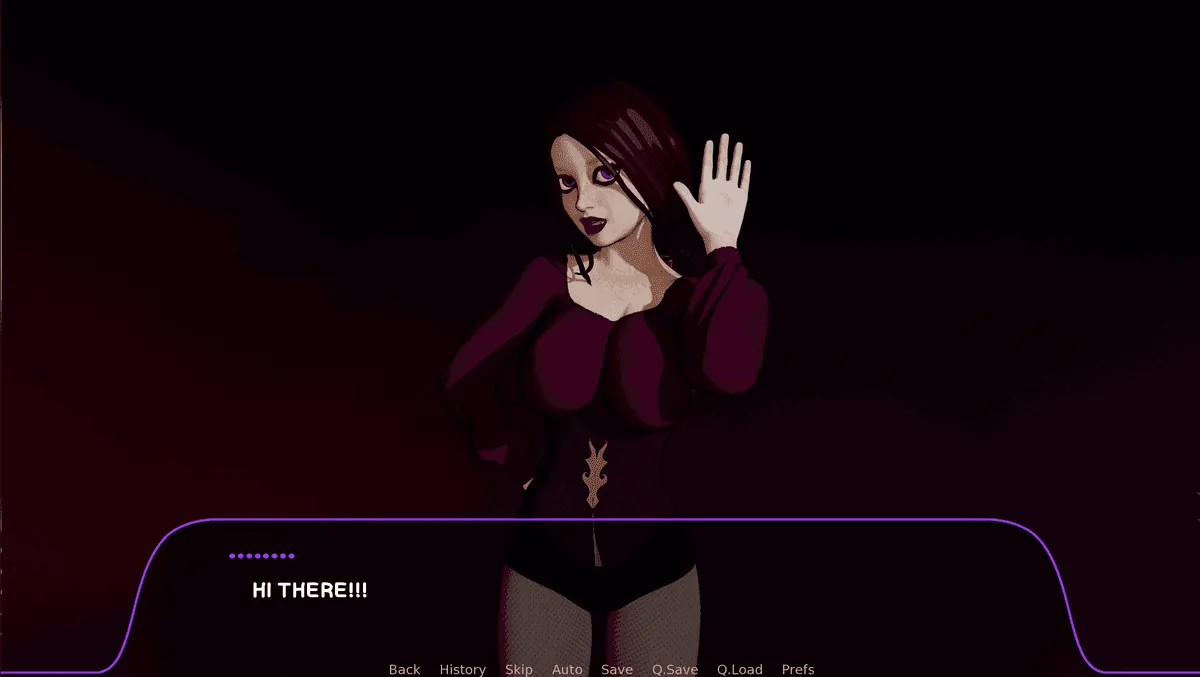
Lust Theory Season 2 Screenshots









Lust Theory Season 2 review
Everything you need to know about Lust Theory Season 2 — gameplay, secrets, and tips
Lust Theory Season 2 is a narrative-driven adult visual novel and adventure game that drops the player into a repeating-day mystery with branching choices and unlockable scenes, and this guide covers it all from mechanics to secret events. In this article you’ll find hands-on tips, personal anecdotes from playthroughs, a walkthrough approach for key quest lines, and practical advice for reaching 100% content unlocks in Lust Theory Season 2. Whether you’re new to the series or returning for the second season, this guide is written to help you get the most out of the game and avoid common pitfalls.
Gameplay Overview and Core Mechanics of Lust Theory Season 2
So, you’ve downloaded Lust Theory Season 2 and you’re ready to dive back into its quirky, chaotic world. But if you’re staring at the screen wondering, “Wait, how does this thing actually work?”—don’t worry, you’re not alone. 🎮 The Lust Theory Season 2 gameplay can feel a bit overwhelming at first glance, blending visual novel storytelling with puzzle-like progression. This chapter is your friendly manual, breaking down everything from the core time loop mechanic Lust Theory is famous for, to the visual novel adventure mechanics that make every choice count.
Think of it as part detective story, part relationship simulator, and part temporal puzzle box. Your goal isn’t just to click through dialogue; it’s to master a living, breathing (and often repeating) day to uncover all its secrets. By the end of this guide, you’ll know exactly how to approach each loop, make branching choices with confidence, and implement a foolproof save strategy for Lust Theory Season 2 to see everything the game has to offer.
What kind of game is Lust Theory Season 2?
At its heart, Lust Theory Season 2 is a narrative-driven visual novel adventure game with a strong emphasis on player agency, exploration, and humor. If you’re new to the genre, don’t let the “visual novel” tag fool you into thinking it’s a passive experience. This isn’t just a slideshow with text. 🖼️ It’s an interactive story where you control the protagonist’s actions, conversations, and movements throughout a detailed environment.
The tone balances laugh-out-loud comedy with moments of genuine character development and, of course, the romantic (and risqué) encounters the series is known for. The visual novel adventure mechanics mean you’ll spend your time exploring a central hub (like the house and its surroundings), clicking on hotspots to examine objects or talk to characters, and making decisions in conversations that drastically alter how scenes play out.
The true genius of the Lust Theory Season 2 gameplay lies in how it layers its interactive systems. You have an inventory for key items, a relationship tracker (often hidden), and a day that resets, allowing you to apply knowledge from previous loops. It’s this blend of point-and-click adventure logic with classic visual novel branching choices that creates such a compelling and replayable experience. You’re not just reading a story; you’re solving it.
Daily loop and progression systems
Ah, the infamous time loop mechanic Lust Theory built its name on. This isn’t just a plot device; it’s the fundamental engine of the entire game. You are stuck repeating the same day, Groundhog Day-style. At first, this might seem frustrating, but it’s actually your greatest tool. 🔁
Here’s how it works: Each “run” through the day gives you a limited amount of time and energy (often represented by a time of day system or action points). You can choose to spend that time with different characters, exploring specific locations, or finding key items. When the day ends—or when you’ve seen everything you can—the loop resets. But crucially, your mind doesn’t. You retain all the information, clues, and sometimes even skills you’ve learned.
This is the core of progression. How to unlock events in Lust Theory Season 2 is almost always tied to this loop. An event on Thursday might require you to find a cryptic note on Monday, give a specific gift on Tuesday, and have a certain conversation score on Wednesday. The game doesn’t spell this out; you discover it through experimentation across loops.
For example, you might learn that a character confesses a secret only if you’ve previously helped them with a task in an earlier loop. Or, you might discover that a locked door can only be opened with a key you find in a completely different story branch. The time loop mechanic Lust Theory employs turns the game into a fascinating meta-puzzle. Your first few loops are for gathering intel. Your later loops are for executing complex, multi-step plans to reach new story beats and unlock events.
Pro Tip: Don’t try to do everything in one loop! Early on, dedicate specific loops to specific goals: one for learning schedules, one for building rapport with a single character, one for pure exploration. This focused approach is key to managing the Lust Theory Season 2 gameplay.
Inventory, choices, and branching outcomes
This is where your agency truly shines. The Lust Theory Season 2 gameplay presents you with two primary tools: your inventory and your dialogue/action choices. Mastering both is essential for navigating the game’s intricate branching choices guide.
The Inventory is More Than Junk:
You’ll collect various items throughout your loops. Some are red herrings, but most are crucial keys (sometimes literally). An item might:
* Be a direct gift for a character, unlocking new dialogue options.
* Be used to repair or interact with an environmental object, opening a new area.
* Trigger a memory or conversation when shown to the right person at the right time.
The trick is that an item’s usefulness is often context-dependent. A bottle of sunscreen might be useless on a rainy day loop but become a critical plot item on a loop where you convince someone to go to the beach. This is why exploration and clicking on everything is so vital for how to unlock events in Lust Theory Season 2.
The Weight of Every Choice:
Every conversation is a potential fork in the road. The visual novel adventure mechanics mean that even small, seemingly innocent dialogue picks can have cascading effects. There’s rarely a single “correct” choice. Instead, there are different choices leading to different outcomes, scenes, and character endings.
A major part of the Lust Theory Season 2 gameplay is replaying loops to explore these branches. Maybe you were nice to Character A last time. This time, try being sarcastic. Or, choose to investigate the strange noise instead of going straight to the kitchen. These alternative paths are how you’ll discover the majority of the game’s hidden scenes and secret endings.
| Choice Type | Typical Impact | Player Strategy |
|---|---|---|
| Dialogue Tone (Friendly, Flirty, Sarcastic) | Changes immediate character reaction and can lock or unlock future intimate or conversational scenes. | Save before major conversations and experiment with all tones to see branching paths. |
| Action Selection (Where to go, what to do) | Determines which events you witness and which characters you interact with for the rest of the day. | Follow a different character each loop to map out their unique schedule and story. |
| Item Usage (Give, Use, Combine) | Can instantly trigger events, unlock areas, or alter character relationships permanently for that loop. | If you find a new item, try using it on every character and environmental hotspot in a dedicated “test loop.” |
A Personal Story of Getting Stuck & Finding Gold 🕵️♂️
I remember banging my head against a wall trying to progress a certain character’s storyline early on. I’d reached what seemed like a dead-end conversation in the library every single time. No matter what I chose, the scene ended the same way. I was ready to consult a guide, but first, I decided to use my saves.
I loaded a much earlier save from two loops prior. Instead of going to the library at the appointed time, I used that time block to thoroughly search the garage—a place I’d ignored before. There, tucked behind some boxes, was a old, trivia-filled board game. It seemed irrelevant. On a whim, during the next loop, I brought that game to the library character before our usual chat. The dialogue changed completely! Instead of our stalled talk, she lit up, challenged me to a trivia duel, and that new interaction opened up an entirely new, flirty story branch that was completely hidden before. It taught me a valuable lesson: the solution is often not in the conversation itself, but in a branching choice you made hours (or loops) earlier.
Crafting Your Master Save Strategy
Let’s talk about the single most important piece of advice for enjoying Lust Theory Season 2 gameplay: your save strategy for Lust Theory Season 2. This game is designed for replays and experimentation, and a bad save habit will lead to hours of repetitive play.
-
Save Often, Save Smart: Use multiple save slots—dozens of them. I use a simple system:
- Slot 1-5: Permanent “milestone” saves at the start of a loop where I have a new major plan.
- Slot 6-10: Rotating “experiment” saves right before any big choice or interaction.
- Quick-save (F5) relentlessly before any unclicked dialogue option or action.
-
Embrace the Loop, Don’t Fight It: The time loop mechanic Lust Theory uses is your safety net. If a loop goes completely sideways, don’t waste time trying to fix it. Let it end or reset manually, and load a save from the start of that loop with a new plan. Think of each loop as a disposable sketch for your final masterpiece.
-
Take Notes! 📝 This is the “pro gamer” move. Keep a simple text file or notepad handy. Jot down things like:
- “Found blue key in garden shed, used it to open attic on Loop #12.”
- “Emma mentioned her favorite coffee is a vanilla latte. Bought one at cafe on Loop #15, got +1 relationship.”
- “Secret scene in pool house triggers only if you ignore the morning phone call.”
This note-taking transforms the game from a confusing maze into a solvable detective board.
New Player Quick-Start Checklist:
* Save Strategy: Create a new manual save at the start of every new loop. Quick-save before every unknown choice.
* Note-Taking: Document unique character preferences, item locations, and strange events that you can’t yet interact with.
* Replay Priorities: Your first goal is knowledge, not completion. Dedicate early loops to exploring every location and talking to everyone, without pressure to “succeed.”
By understanding these visual novel adventure mechanics and respecting the game’s time loop design, you transform your experience from random clicking into a purposeful and deeply satisfying narrative exploration. The joy of Lust Theory Season 2 isn’t just in reaching an ending—it’s in the journey of discovery, the “aha!” moments when puzzle pieces click, and the delight of uncovering a hidden scene that your choices alone made possible. Now, go break that loop
Lust Theory Season 2 offers a time-loop narrative with branching choices, hidden events, and replay-driven discovery; using disciplined save management, methodical exploration, and community resources will make it easier to unlock the game’s full content. If you enjoy choice-driven visual novels and systematic exploration to reveal secrets, this game can be rewarding—if you prefer fast payoff or linear progression you might find its teasing design frustrating. Try the practical tips above, keep a few dedicated save slots for experimentation, and join community guides if you want help chasing every hidden event. If you’d like, I can generate a printable 100% completion checklist or a spoiler-free walkthrough tailored to a specific character route.