Imperial Chronicles
Play Imperial Chronicles
Imperial Chronicles Screenshots


























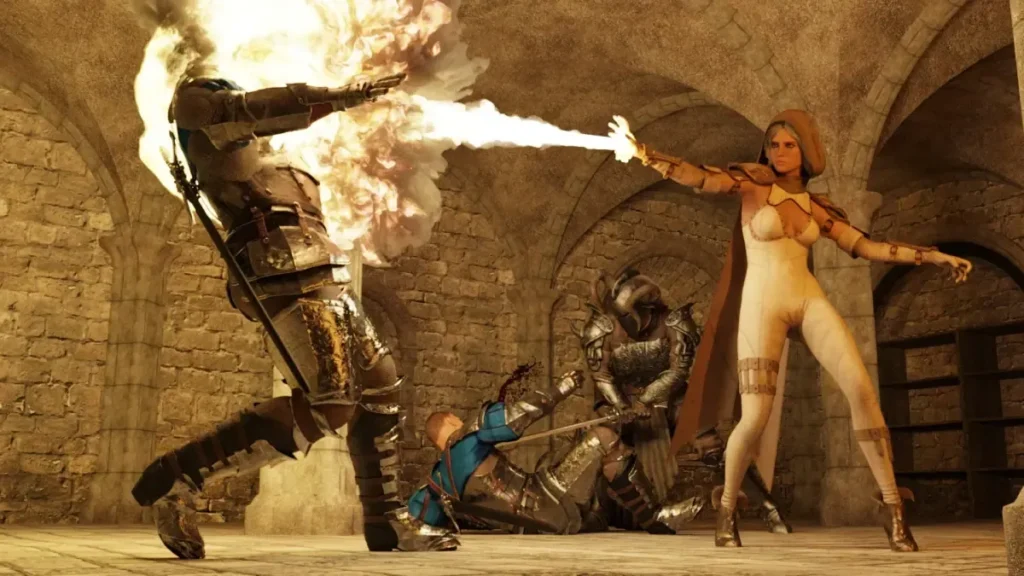





Imperial Chronicles review
Master the art of ruling an empire through tactical decisions and meaningful relationships
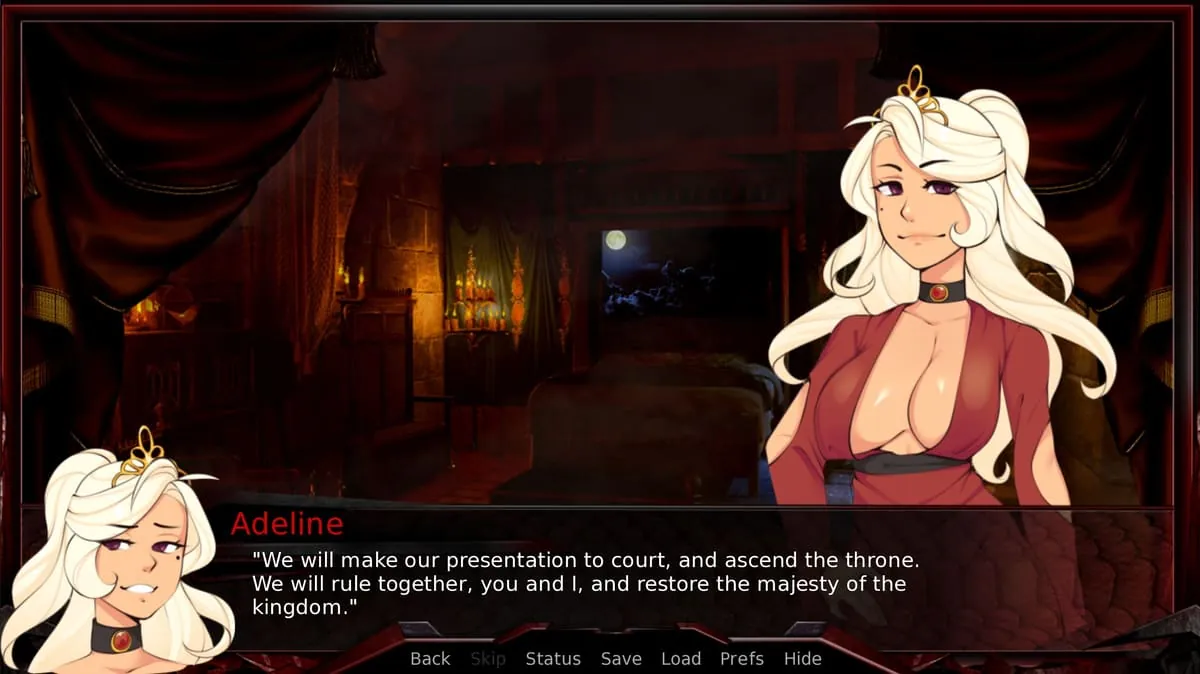
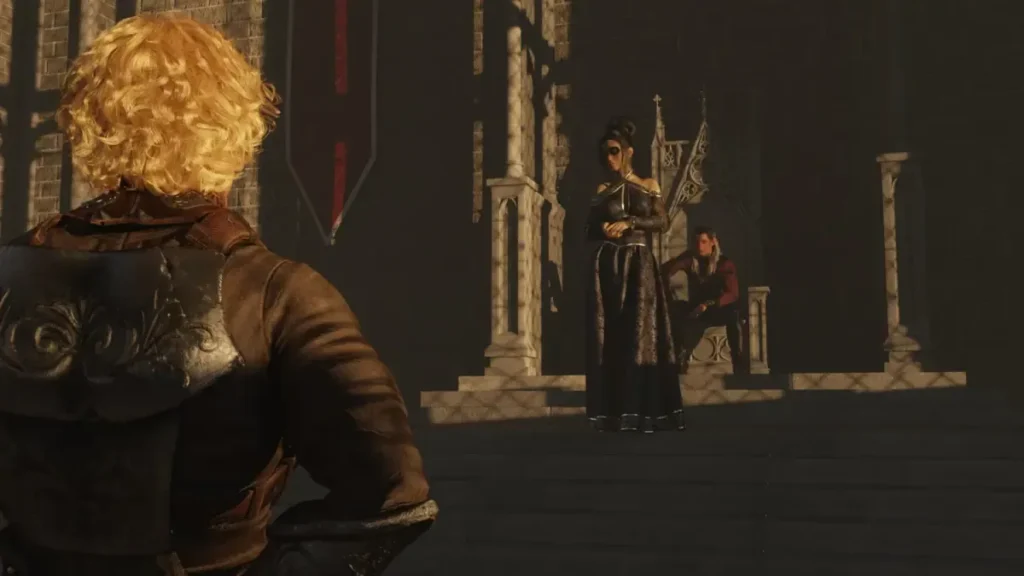
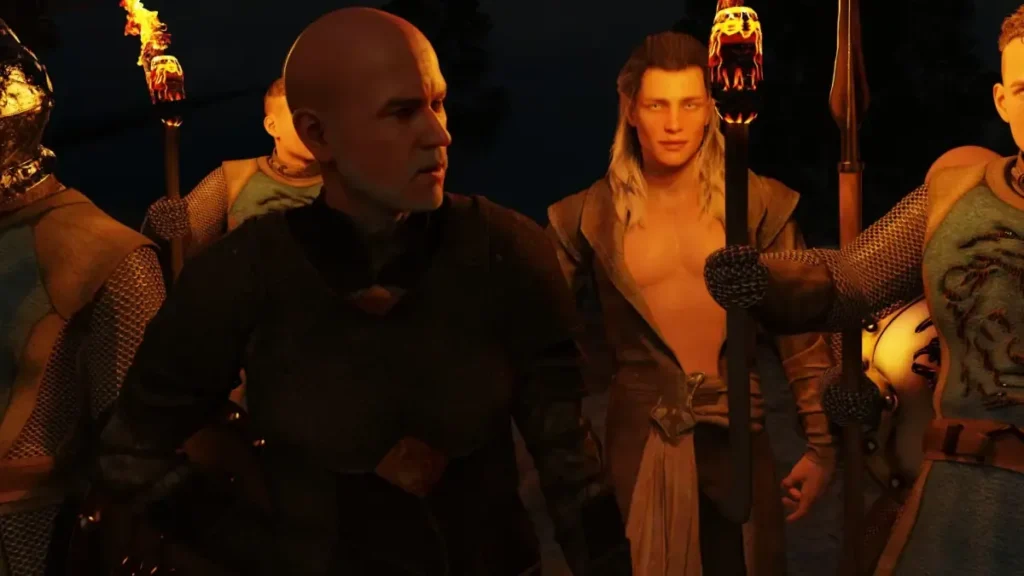
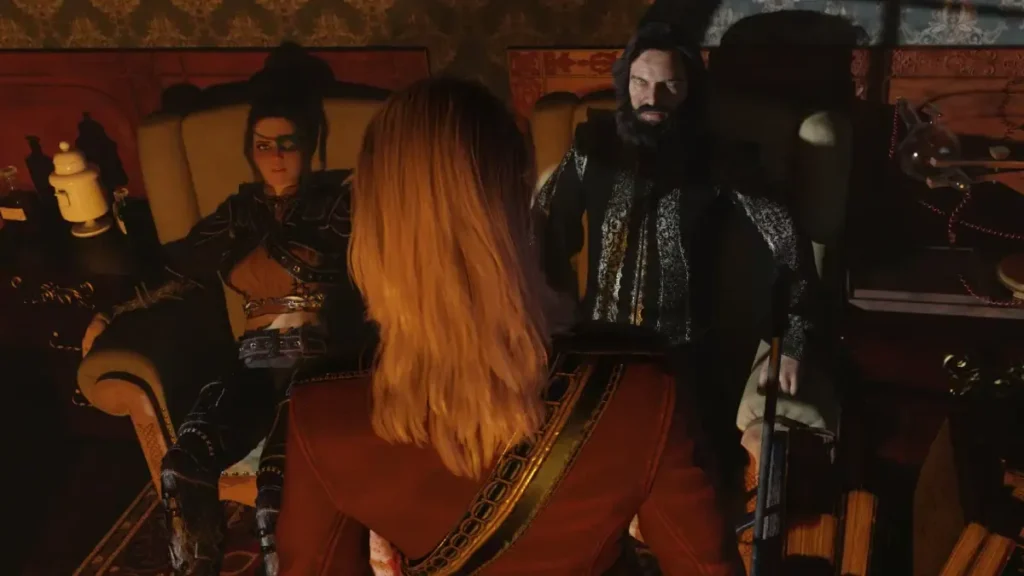
Imperial Chronicles stands out as a captivating visual novel that merges deep storytelling with strategic gameplay and meaningful player choices. Developed by Lazy Monkey, this immersive experience follows your journey from exile to reclaiming the throne amid political intrigue and dangerous rivalries. Whether you’re drawn to narrative-driven adventures or engaging tactical elements, Imperial Chronicles delivers a unique experience where your decisions genuinely shape outcomes. This guide explores the game’s core mechanics, character dynamics, strategic approaches, and what makes it a standout title in its genre.
Core Gameplay Mechanics: What Makes Imperial Chronicles Unique
So, you’ve claimed your throne, surveyed your map, and met your first few advisors. Now what? 🧐 If you’re thinking Imperial Chronicles is just another game where you click through dialogue and move units on a grid, prepare for a revelation. The genius of this experience isn’t in one single feature, but in how every single system—from a whispered conversation to a wheat harvest—interlocks with breathtaking precision. You’re not just playing a strategy game with a story attached; you’re living the entangled, exhausting, and exhilarating reality of ruling an empire.
The magic lies in the Seamless Synergy System. Forget about “combat mode,” “dialogue mode,” or “management mode.” These aren’t separate compartments you visit; they are different facets of the same living world. A trade agreement you broker during a tense parlay directly funds your barracks. The grief a companion feels after a story loss might make them reckless in the next skirmish. Everything is connected, and this is what makes the Imperial Chronicles gameplay mechanics so profoundly immersive. Let’s break down exactly how this works.
The Narrative Weight System and Decision Consequences
Remember that time in another game where you picked the “good” option, got a few approval points, and moved on? Imperial Chronicles laughs at that simplicity. Here, your moral compass isn’t a binary slider between saint and tyrant; it’s a complex set of four hidden alignment scores: Pragmatic, Idealistic, Ruthless, and Compassionate.
Every choice you make, from sentencing a criminal to allocating disaster relief, adds narrative weight to one or more of these alignments. This isn’t about being “good” or “evil.” It’s about defining your ruler’s character, and the world reacts accordingly. 🤴👑
Personal Insight: In my first playthrough, I faced a famine in a northern province. I had two choices: seize grain from a wealthy, loyal merchant family (Pragmatic/Ruthless) or implement a risky, slow-rotation farming plan that could fail (Idealistic/Compassionate). I chose the latter, thinking I was being a benevolent ruler. My Compassionate score ticked up. Weeks later, the plan failed. The resulting riots tanked my reputation with the commoners anyway, and my Pragmatic-minded military advisor began questioning my competence in private meetings. The game didn’t punish me for a “wrong” choice; it followed through on the logical consequences of an idealistic gamble.
This narrative weight system governs everything unseen:
* Quest Availability: A high Ruthless score might unlock shadowy assassination plots from the underworld, while a high Idealistic score could have philosophers and reformers seeking your audience.
* NPC Reactions: Characters don’t just like or dislike you. They judge your character. A pragmatic general might respect a Ruthless decision that ensures victory, while a Compassionate healer in your party could become silently withdrawn.
* Companion Loyalty: Their loyalty isn’t static. It shifts based on whether your accumulating narrative weight aligns with their own values. You can have a companion who is fiercely loyal to a Ruthous Pragmatist, but who would abandon an Idealistic Dreamer.
This is the heart of branching dialogue consequences. It’s not about picking a red or blue response. It’s about every conversation quietly shaping who you are, and the entire game world adjusting its posture toward you in response.
Domain Management and Resource Control
Your throne room and your spreadsheets are one and the same. 🏰➡️📊 Domain management strategy in Imperial Chronicles is the tangible, often stressful, reflection of your narrative choices. You’re not just balancing abstract numbers like “Gold” and “Food”; you’re managing the hopes, fears, and bellies of your people.
Let’s get practical. Your domain panel might present you with:
* Crop Control: Which staple to plant? Wheat for stable food, grapes for trade and morale (wine!), or a new, risky crop promised by an alchemist? Your choice affects public opinion, trade leverage, and treasury health.
* Troop Recruitment: Do you levy farmers (cheap, hurts food production), hire mercenaries (expensive, no public backlash), or call upon noble houses (costs political favor)? Each decision echoes in your army’s composition and your people’s sentiment.
* Trade Routes: Establishing a route with a neighboring faction isn’t just a “++Gold.” It creates a dependency, influences their standing in your reputation web system, and makes that route a strategic target in wartime.
Actionable Advice: Never look at a resource in isolation. See the chain. “Low Public Opinion” isn’t just a debuff; it means fewer recruits, higher crime events in your capital, and potentially, a faction seeking to exploit that discontent. To raise it, you might need to lower taxes (hitting your gold), which forces you to seek new trade deals (altering faction reputations), which may require you to make a diplomatic promise (involving a branching dialogue choice that adds narrative weight). This is the domino effect of real rule.
Combat Tactics and Adaptive Fighting Styles
When diplomacy and management fail, the battle map awaits. But even here, the Seamless Synergy System is in full effect. The turn-based tactical combat is a deep, punishing, and brilliant puzzle where the pieces are shaped by everything you’ve done outside of battle.
Forget fixed “classes.” Your units employ adaptive combat stances that dynamically shift based on three key factors:
1. Equipped Gear: A soldier with a spear and tower shield can assume a “Phalanx Wall” stance, granting defense bonuses to adjacent allies.
2. Learned Skills: Unlocking the “Vanguard Charge” skill might add an aggressive “Advancer” stance that increases move speed at the cost of defense.
3. Story-Derived Emotions: This is the masterstroke. A companion who just learned of a rival’s betrayal might enter a “Reckless Vengeance” stance, gaining attack power but losing all defensive bonuses. A unit of militiamen defending their home town might get a “Stalwart Defender” morale buff.
Combat is a brutal chess match of:
* Terrain Effects: Holding the high ground isn’t just cliché; it grants real accuracy and damage bonuses. Forests provide concealment, marshes slow movement.
* Unit Positioning: Flanking isn’t optional; it’s essential. Surrounding an enemy unit can trigger a “Panic” check, causing them to drop their guard.
* Morale Checks: Units aren’t health bars. After losing allies or facing a terrifying enemy, they must pass morale checks. Failure can lead to “Shaken” status (reduced stats) or even “Rout” (loss of control).
This means every battle is a unique story. The adaptive combat stances ensure that the same unit of knights can feel completely different from one battle to the next, based on the overarching narrative context. Your domain management strategy directly feeds here, too—well-supplied troops have higher base morale, and elite units from specific regions might have unique innate stances.
| Core Mechanic | Primary Function | Impact on Player Experience |
|---|---|---|
| Seamless Synergy System | Eliminates barriers between dialogue, exploration, domain management, and combat. | Creates a completely immersive, living world where every action has logical, multi-system consequences. You feel like a ruler, not a player switching menus. |
| Narrative Weight System | Tracks hidden alignment scores (Pragmatic, Idealistic, Ruthless, Compassionate) from all decisions. | Moves beyond simple good/evil, defining your ruler’s character and dynamically altering quests, NPC reactions, and companion loyalty. |
| Reputation Web System | Monitors standing with dozens of factions on multiple axes (Trust, Fear, Debt, Rivalry). | Replaces simplistic like/hate with complex political relationships. A faction can trust you but fear you, creating volatile and fascinating diplomatic opportunities. |
| Active Time Lore (ATL) | Allows pausing the game to access detailed, context-sensitive dossiers on characters, factions, locations, and historical events. | Empowers players to engage with deep lore without needing to memorize a codex, making complex politics accessible and enriching every interaction. |
| Adaptive Combat Stances | Dynamically alters unit capabilities based on gear, skills, and current story emotions. | Ensures combat is never repetitive and is deeply tied to the narrative, making each battle a unique chapter in your empire’s story. |
How It All Fits Together: A Single Decision in Motion
Let’s walk through one concrete example to see the Imperial Chronicles gameplay mechanics weave together. Imagine you, the ruler, are investigating corruption in the guild district.
-
The Dialogue: You confront the Guild Master. He offers a “donation” to your treasury to look the other way (Ruthless/Pragmatic path), or you can threaten a full audit that will disrupt trade (Idealistic path). You choose the audit, gaining Idealistic narrative weight. The Guild Master sneers, “You’ll regret this.”
-
Domain Management Impact: The next season, your “Trade Efficiency” in the capital drops by 30%—the guilds are slow-walking goods in retaliation. Public opinion dips due to good shortages. You must now spend gold to import food or risk unrest. Your domain management strategy is directly altered.
-
Reputation Web Shift: The Merchant Confederation faction’s status with you shifts: “Trust” decreases, “Rivalry” increases. However, the Commoners’ Faction sees a slight “Trust” increase. Meanwhile, the Spymaster faction, who hates the guilds, sends you a covert message of support, opening a new quest line.
-
The Combat Encounter: Later, traveling to a nearby city, your caravan is ambushed by “Guild Thugs.” This is the combat consequence. In this battle, your companion, the honest Captain who urged the audit, has the “Righteous Fury” adaptive combat stance active, granting her bonus damage against these foes. However, your economic advisor, who warned against the audit, is “Anxious,” suffering a penalty to his support abilities. The turn-based tactical combat is now a personalized story moment.
-
The Lore Layer: At any point, you can hit the ATL button. Highlighting the Guild Master might reveal his ties to a foreign power. Highlighting the “Guild Thugs” could show they use distinct fighting styles from a distant region, hinting at who’s really backing them. The Active Time Lore system turns a simple ambush into an investigative clue.
This cascading effect is the soul of the game. The narrative weight system defines you. Your domain management strategy is the practical execution of your rule. The reputation web system is the political fallout. And the adaptive combat stances and turn-based tactical combat are the physical manifestations of all those choices, where story becomes strategy on the battlefield.
Mastering Imperial Chronicles isn’t about min-maxing a build. It’s about understanding that your empire is an organism. A decision in the throne room sends vibrations through the trade lanes, shifts allegiances in shadowy councils, and ultimately changes the very feel of the steel in your soldiers’ hands on a muddy field. It’s a breathtaking, demanding, and unparalleled simulation of power. Your chronicle awaits. Will you be remembered as a Pragmatic Peacemaker, a Ruthless Unifier, or something uniquely your own? The weight of your narrative is in your hands. ⚖️👑
Imperial Chronicles delivers a rich and engaging experience that successfully merges compelling narrative with strategic depth and meaningful player agency. From the intricate political landscape and adaptive combat system to character-driven storylines and multiple playstyles, the game offers something for both narrative enthusiasts and strategy-focused players. The Narrative Weight system ensures your decisions carry genuine consequences, making each playthrough feel unique and personal. Whether you choose the path of diplomat, tyrant, or reformer, your journey from exile to throne reclamation will be shaped entirely by your choices. The combination of romance paths, domain management, and political intrigue creates an immersive world where every decision matters. Start your reign today and discover why Imperial Chronicles has captivated players seeking a truly interactive empire-building experience.