
A House in the Rift
Play A House in the Rift
A House in the Rift Screenshots


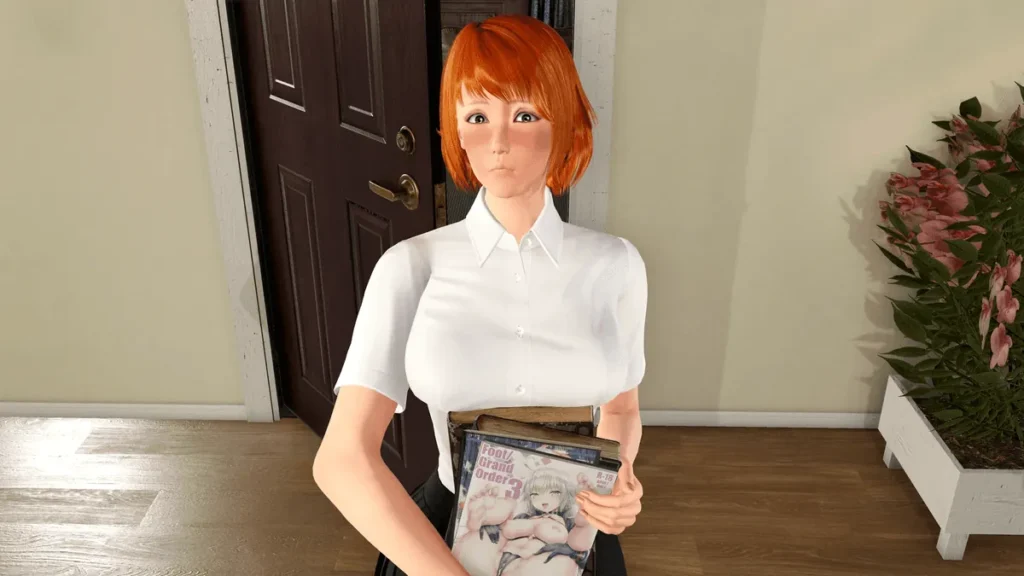







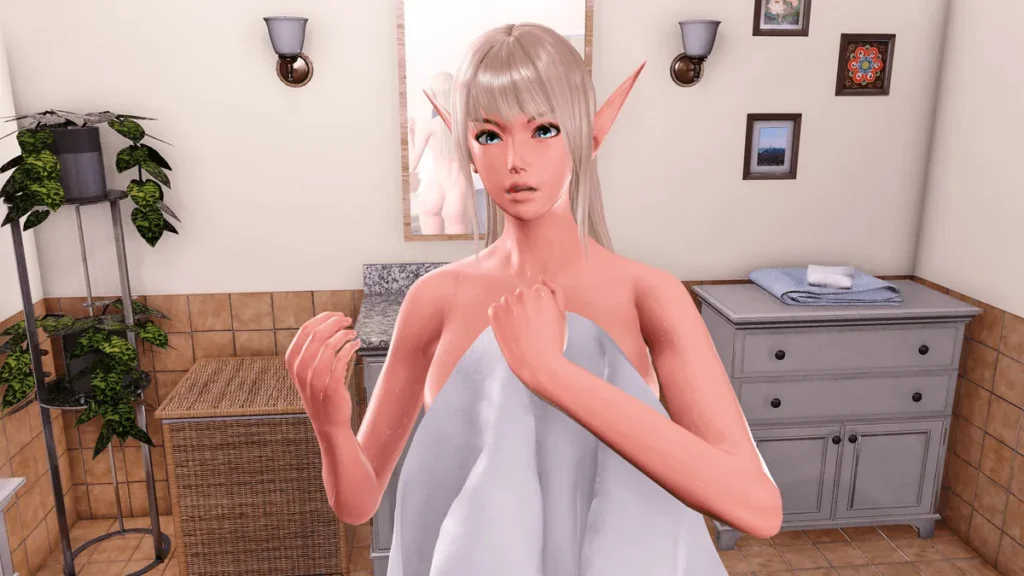






A House in the Rift review
Discover immersive worlds, captivating characters, and endless adventures in this rift-torn gem
Ever stumbled into a rift that pulls you from everyday life into a house brimming with mystery, stunning women, and choices that shape your destiny? That’s ‘A House in the Rift’ for you—a visual novel that hooked me from the first portal jump. I remember my initial playthrough: navigating eerie rooms, building bonds with characters like Naomi, and uncovering lore that feels alive, not just backdrop. This game blends deep storytelling with intimate encounters in a believable rift world. Whether you’re new or replaying for secrets, this guide dives into gameplay, characters, and tips to maximize your experience. Let’s rift-hop together!
What Makes A House in the Rift So Addictive?
I remember clicking on A House in the Rift out of sheer curiosity, expecting just another visual novel to pass the time. Two hours later, I was still there, utterly absorbed, having completely forgotten why I’d opened my laptop in the first place. 😳 That’s the magic trick this game pulls off—it doesn’t just tell you a story; it swallows you whole into its beautifully strange, broken universe. If you’re wondering why play A House in the Rift, it’s this unparalleled sense of immersion, starting from the very second your character is unceremoniously yanked through a glowing tear in reality.
You find yourself in a mysterious, ever-shifting mansion, a literal house in the rift, with no memory of how you got there. You’re not alone. The mansion is home to several women, each as lost and displaced as you are, each with a past that’s intricately woven into the fabric of this shattered world. This isn’t a static backdrop; it’s a living, breathing puzzle box, and you’re right at the center of it. Let’s break down exactly what makes this experience so incredibly hard to put down.
How the Rift World Pulls You In
The genius of A House in the Rift lies in its rift world building. It understands that a believable world isn’t made of grand exposition dumps, but of consistent, observable details and routines. The core game lore explained slowly, not through a history book, but through environmental clues, character conversations, and the very architecture of the mansion itself. You learn about the rift’s nature by seeing its effects—a hallway that wasn’t there yesterday, a painting that seems to watch you, the subtle yet persistent feeling that the house is alive and aware. 🏚️✨
But the true masterstroke is the game’s simulation of daily life. This is where the rift world building transitions from concept to lived experience. The characters have their own schedules, moving to different rooms at different times for work, relaxation, or solitude. To interact with them meaningfully, you need to find them. This is where your two best friends come in: the Map and the Quest Log.
Pro Tip: Make it a habit to open your map first thing every time you boot up the game. It will show you exactly where every character is at that moment, saving you from wandering empty halls.
To give you a head start, here’s a sample of how a day in the rift might unfold. Remember, schedules can change with story progress, but this table gives you the foundational rhythm.
| Time of Day | Character | Typical Location |
|---|---|---|
| Morning | Naomi | Main Hall or Bar Area |
| Afternoon | Elsa | Library or Study |
| Evening | Maya | Her Room or Garden |
| Night | Luna | Observatory or Kitchen |
This system does more than just guide you; it makes the world feel autonomous. The characters exist with or without you. You’re living alongside them, not just triggering them like NPCs. This attention to detail is a huge part of the A House in the Rift story’s power. You’re not an omnipotent protagonist; you’re a fellow resident trying to make sense of your new home, and that vulnerability is incredibly engaging.
Why the Story Feels Believable and Immersive
So, what elevates the A House in the Rift story above a simple harem premise? It’s the commitment to character depth and a cohesive, mysterious lore. Each inhabitant has a full history that predates your arrival, and their personalities, fears, and hopes are directly tied to the rift’s enigmatic nature. Getting to know them isn’t just a path to romance; it’s the primary method of uncovering the game lore explained piece by piece. 🧩❤️
The developers have also shown a remarkable dedication to this living world. Character designs aren’t static. For instance, Naomi received visual updates based on player feedback, making her feel more realized and connected to her story. The game’s economy isn’t just a number to grind; the money you earn is used for tangible, social interactions, like buying Naomi a drink at the bar to lower her guard and learn more about her past. These choices make every interaction feel weighty and real.
Here are the top 5 world-building features that, in my opinion, make the story so believable:
- The Evolving House: The mansion itself is a character. New rooms appear, decorations change, and the layout can feel different, constantly reminding you that you’re in a supernatural space. This is rift world building at its finest.
- Character-Specific Routines: As shown in the table, everyone has a life. You can’t always find Elsa in the library; sometimes she needs time alone. This respect for their autonomy makes them feel authentic.
- Integrated Progression Systems: Your quest log, relationship meters, and inventory aren’t separate menus; they feel like part of your journal as a survivor in the rift, tracking your survival and discoveries.
- Lore Through Discovery: You won’t get a “Rift History 101” lecture. You learn by exploring, by asking the right questions at the right time, and by piecing together clues from conversations and hidden objects.
- Meaningful Resource Management: Earning and spending money on social activities or items ties the gameplay loop directly into relationship building, making your efforts feel directly impactful on the story.
This layered approach means the A House in the Rift story respects your intelligence. It presents a mystery and gives you the tools to solve it, making every revelation feel earned. You’re not just watching a story unfold; you’re actively pulling on its threads.
Common Beginner Questions Answered
If you’re just starting out, the sheer depth can be a little daunting. Don’t worry! Here’s a quick beginner guide A House in the Rift to answer the questions I had when I first fell through the rift.
Q: I’m overwhelmed. What should I do first every day?
A: This is the most common hurdle. Follow this simple routine: 1) Open your Map to locate characters. 2) Check your Quest Log for active objectives. 3) Prioritize spending time with characters related to your current main quest. 4) Use leftover time to explore or build relationships with others. This method ensures you’re always moving the A House in the Rift story forward efficiently.
Q: How important is money, and how do I get more of it?
A: Very important! It’s your main social currency. You earn it primarily by working a job (which you’ll unlock early on). Use it to buy gifts, go on outings, or participate in activities like the bar visits. These paid interactions often unlock deeper, more personal dialogue, speeding up relationship growth.
Q: Can I focus on one character, or do I need to balance them all?
A: The game is flexible. You can absolutely focus on one character’s path, especially in early playthroughs. However, engaging with everyone has major benefits. Each character holds a unique piece of the game lore explained, and some story progress may require you to have a certain rapport with multiple residents. My advice? On your first run, follow your heart, but don’t completely ignore the others.
Q: I feel stuck. The story isn’t progressing.
A: This usually means you need to deepen your relationship with a specific character to trigger the next story beat. Re-check your quest log hints, and spend several days in a row focusing on that person. Give gifts, choose supportive dialogue options, and invest in activities with them. The narrative gates are almost always tied to relationship depth.
Q: Is there a “wrong” choice?
A: While there are smaller choices that affect dialogue and immediate reactions, the game is more about the journey than punishing you. The major story branches are typically clear and related to your committed relationship path. So don’t be afraid to role-play and make choices that feel true to you.
Ultimately, the answer to why play A House in the Rift is simple: it offers a rare blend of deep narrative, immersive simulation, and compelling character development that few other titles in its genre achieve. It builds a world you want to live in and characters you care about, making every session a discovery. The rift world building is the star, creating a foundation so strong that every personal story feels impactful and real.
This is just the surface of the rift, though. Each character’s journey is a deep dive into a unique fragment of this broken universe, and uncovering all its secrets is a journey worth taking. Ready to learn what mysteries Luna hides under the observatory’s stars, or what ancient knowledge Elsa guards in the library? Your room in the mansion is waiting. 🔑🌌
Diving into ‘A House in the Rift’ transformed my gaming nights into epic rift adventures, from tense explorations to heartfelt connections with its vivid cast. You’ve got the tools now—master the map, chase those quests, and nurture relationships for the fullest experience. My top tip? Replay with different choices; the depth reveals itself over time. Grab the latest version, settle in, and let the rift sweep you away. What’s your first move in the house? Share in the comments—I’d love to hear your stories!